Which kind of ant are you dealing with?
Ants do not appear at random. Scout ants lay chemical trails that guide the rest of the colony to food or water, which is why you always see them in a neat line along a kitchen counter, the edge of a tile or the base of a wall. Ant activity rises sharply in the hot months when colonies search for moisture inside buildings.
What you see is the worker ants, which are the smallest part of the problem. The real colony is elsewhere: under tiles, in wall joints, in the soil near the foundations, or in the garden. Garden ant control is handled differently from an indoor infestation, and both jobs start by locating the nesting site before any treatment begins. Some ant species chew through wood or deliver a painful sting, so identifying the species matters before deciding how to treat.
There are three ant control services available, each designed for a specific type: black ants, fire ants and flying ants. Read the services below to find the one that matches what you see, or call us and describe what you have noticed and in which district, and we agree a time that suits you.
Each service targets a specific ant type, because where it nests and how it is treated differ clearly from one species to the next.
- Black-ant controlYou find lines of small black ants in the kitchen, near the sink or along the floor tiles.
- Fire-ant controlYou have been stung by red ants, or you see them in the garden or around the foundations.
- Flying-ant controlYou notice winged ants inside the home or around windows at a particular time of year.
What sets 'Awdah apart
In 'Awdah and small nearby villages, houses are scattered across wide land with yards and fields. Ants may show up near the house or far out on the land, and open space and soil affect how treatment works. Tell us exactly where the ants appear, whether near the house or on distant land, and we plan the control to suit the location and spread.
'Awdah is a small village in the Riyadh region. You order here as elsewhere: by call or WhatsApp, with the time agreed.
In small scattered villages on wide land, reaching all parts of the property may take more time, so tell us about every affected area.
Four steps, and done
- 1
Call or message us on WhatsApp
+966 54 084 3018 - 2
Tell us what you see
Describe the ants to us: small and black, red and stinging, or winged? Say exactly where you see them in your home or garden, and which district you are in.
- 3
We agree a time
We settle on a time with you, and we advise clearing the lower kitchen shelves and airing the space before we arrive.
- 4
We inspect and treat
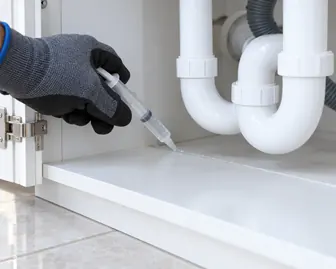
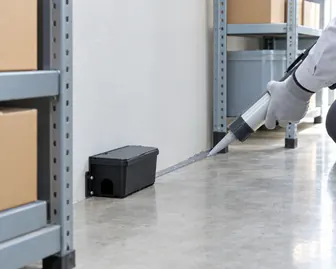
We start by following the trails to find the source, then treat the nesting sites and the routes. Afterwards, check the spots that were busy with ants and let us know what you observe.
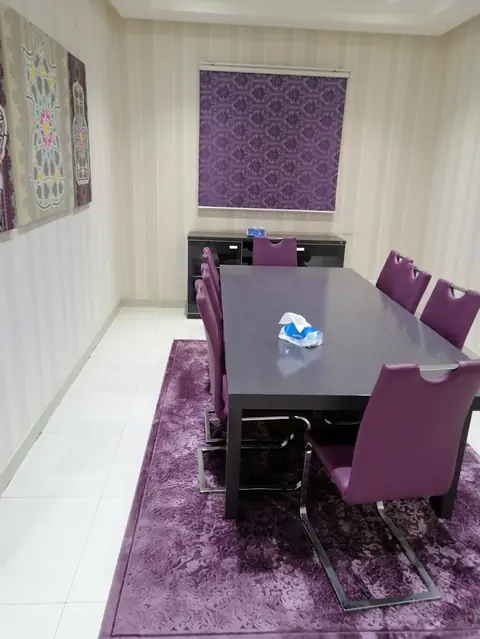
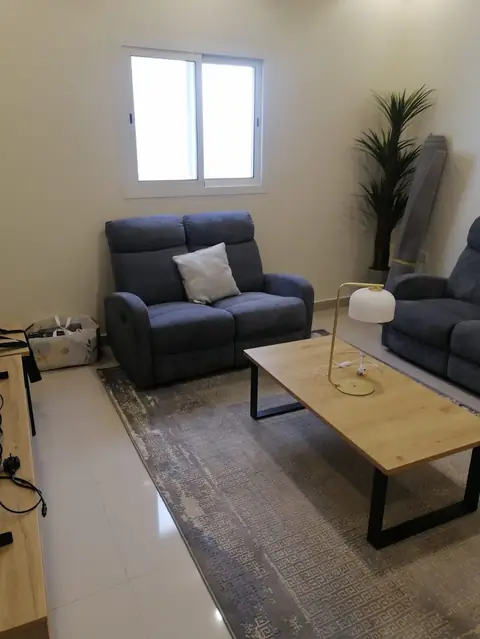
Some of our work
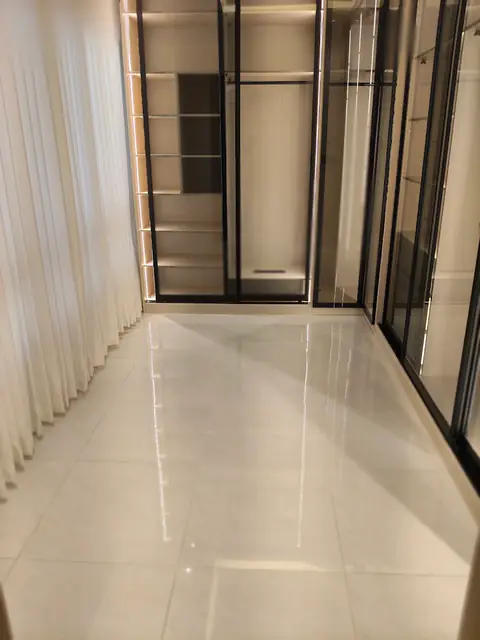
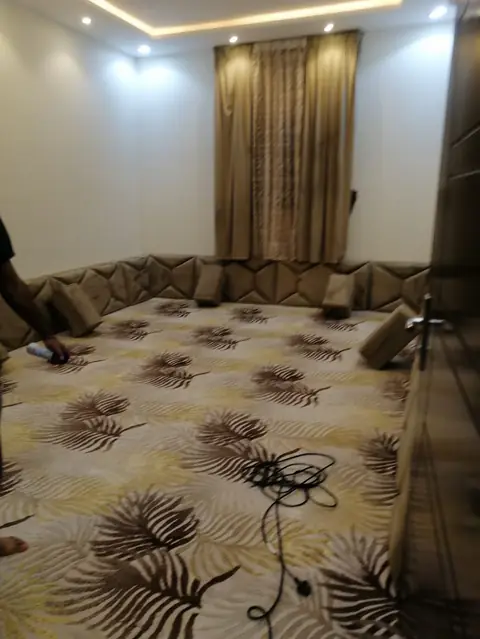
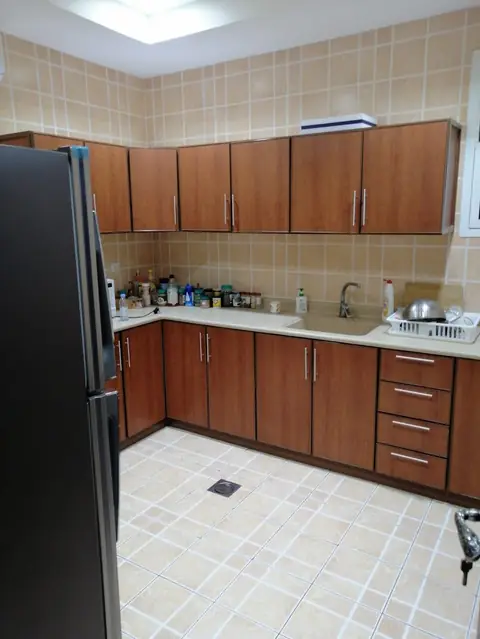
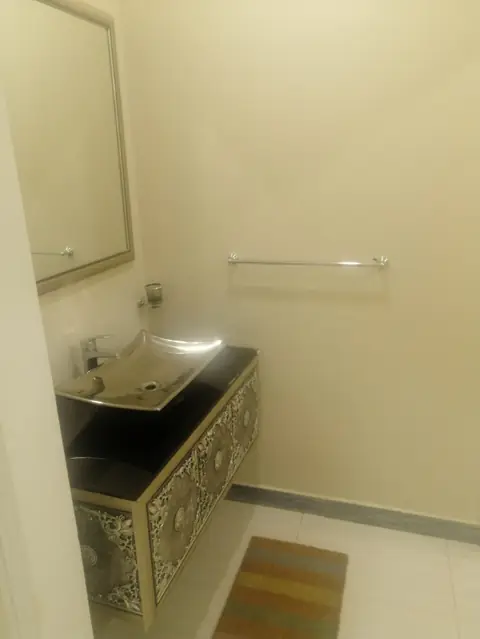
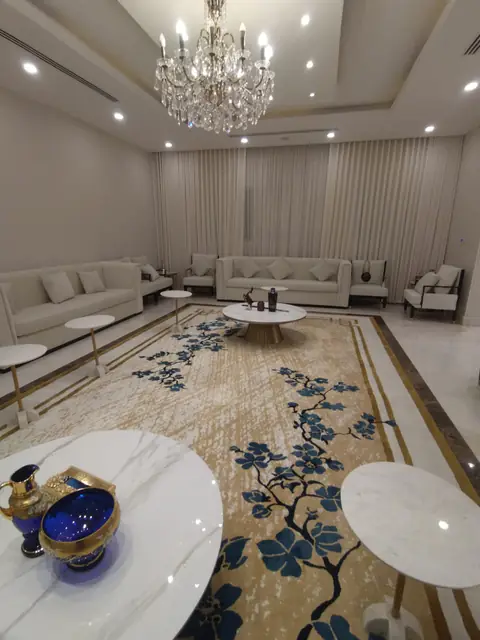
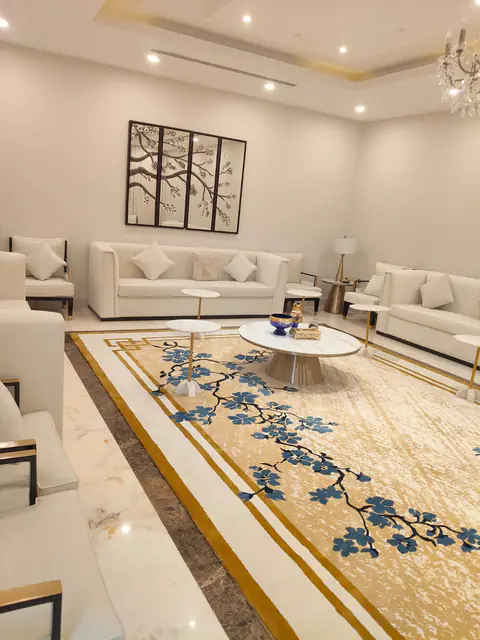
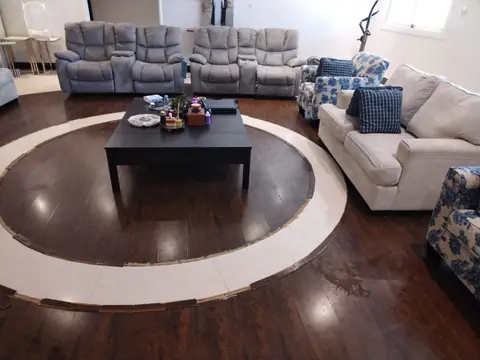
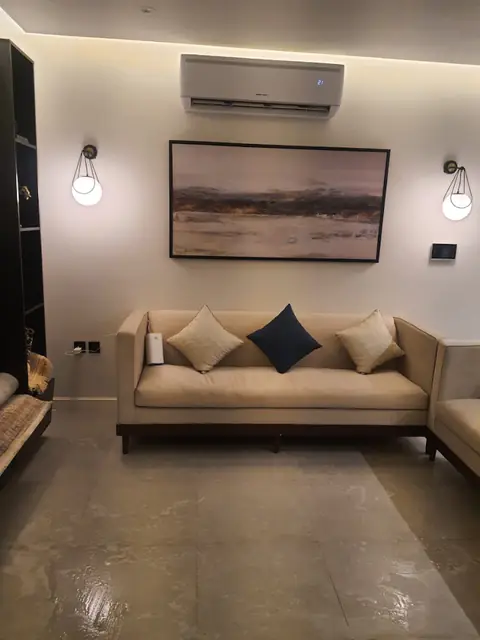
What our customers say
Real Google Maps reviews, word for word.
افضل عمال وتنظيف روووعة يعطيكم العافية
Google Maps يعطيكم العافيه.. شغل ممتاز يستاهلون ٥ نجوم
Google Maps شركة نظافة ممتازة يعطيكم العافيه
Google Maps
Questions about Ant control
How do I know what I see is ants and not termites?
Ants walk in open lines on surfaces and have a clearly segmented body with a narrow waist. Termites rarely appear in the open and build mud tunnels on walls and timber. If you see mud tubes or crumbling wood, it is more likely termites, and there is a separate termite control service for that.
Is ant spraying on its own enough?
Spraying ants on visible trails removes the workers you see but does not reach the queen at the nest. Effective treatment starts by following the trail to the source and treating the nest directly. The ant type determines the best method, which is why we ask about it when you call.
What should I prepare before the team arrives?
Clear the lower kitchen shelves and move children's items and pets away from the treatment areas. If the ants are in the garden, point out the exact location to us. Air the building as much as you can before the work starts.
Does garden ant control differ from indoor treatment?
Yes, garden nests are in the soil, under stones or near plant roots, while indoor nests are in wall joints and gaps. The way to reach each differs, and that is something we settle with you when you describe the location.
When can I expect the ant problem to be fully gone?
It depends on the ant type, the colony size and where the nest is. Small colonies in a reachable spot can clear up relatively quickly after treatment, while larger colonies or those nesting deep in the structure take longer. We agree on the details of your situation when you call.
Do I need to leave the house during treatment?
That depends on the type of treatment, its extent and the size of the home. We let you know what is needed when we agree on the time. As a general rule, it is advisable to vacate the rooms being treated while the work is underway.
What is the difference between black ants, fire ants and flying ants?
Small black ants are food-seekers that commonly appear in kitchens and store rooms. Fire ants are red, their sting is painful, they nest in soil and they are more aggressive. Flying ants appear during the reproductive phase and their wings set them apart; seeing them inside the building points to a nearby colony. Each type has its own service in the list below.
Ants are spread across several spots on our land. How do you handle that?
If ants are in several spots, we treat all affected areas. Explain each location when you call, and we plan the control to cover everywhere and agree the time with you.
Does dust and soil affect how you treat them?
Yes, dust and soil from open land affect the treatment approach. Tell us the land condition and affected areas in detail, and we plan the control based on that and agree how the work is done.
More services in 'Awdah