What does mosque bathroom cleaning cover?
Mosque bathrooms receive worshippers throughout the day, which means calcium deposits build up around wudu taps far faster than in a home bathroom, grout lines between tiles discolour from constant moisture, and a slippery film forms on ceramic floor surfaces at the drainage points. The hard water makes those deposits thicker and harder to shift with ordinary wiping.
Call or message us on WhatsApp and tell us the mosque's district, how many bathroom units there are, and what you are noticing. We agree a time that fits the prayer schedule and lets the work go ahead without disruption.
These are the surfaces and parts the cleaning goes through in mosque bathrooms, depending on the condition of each unit and what you notice.
- Wudu floor areas
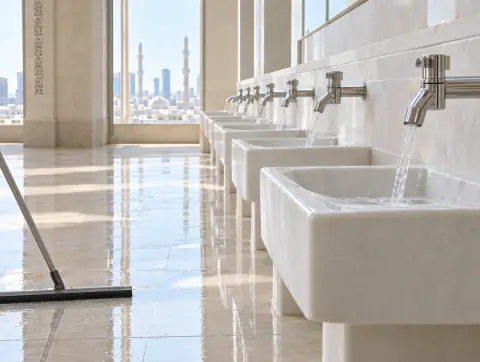
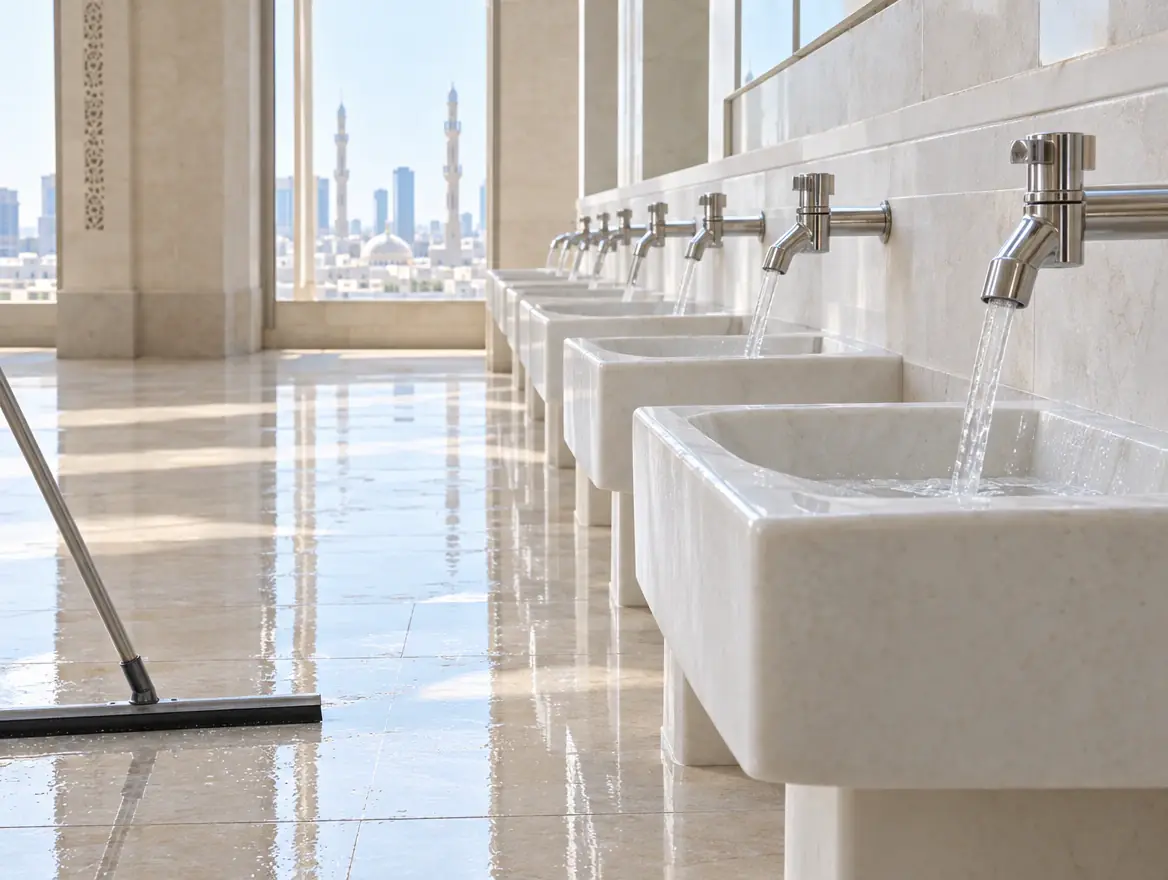
We remove the slippery film and calcium build-up from the ceramic at the water points, where heavy use and the hard water cause deposits to form faster than anywhere else.
- Tile grout lines
Constant moisture turns white grout grey or black; we treat the lines in a way that suits the tile surface and bring them back to their original colour.
- Basins and tap surrounds
Calcium builds up around taps and inside basins and resists ordinary wiping; we treat it in a way that suits the basin material, whether ceramic or marble.
- Toilets and seats
We clean the outer body, the seat and its hinges, and the inner rim, the points that routine quick cleaning usually misses.
- Tiled walls and surfaces
Wall tiles absorb water spray and repeated marks; we wipe them down and treat the grout alongside, because cleaner tiles help the grout lines last longer.
- Drain openings
In heavily used bathrooms, sediment and debris slow drainage; we check the openings are clear so the wudu floors dry faster after use.
Four steps, and done
- 1
Call or message us on WhatsApp
+966 54 084 3018 - 2
Describe what you notice
Tell us the mosque's district, how many bathroom units there are, the surface types if you know them, and whether the problem is the floors, the taps, the grout or all of it.
- 3
We agree a time together
We choose a time between prayer times that suits you; you keep the bathrooms clear of users, leave them accessible to us, and make sure water and lighting are available.
- 4
The work and what to check after
We clean the agreed surfaces and parts, then you check the grout lines, taps and drain openings with us before the bathrooms are opened again.
Some of our work
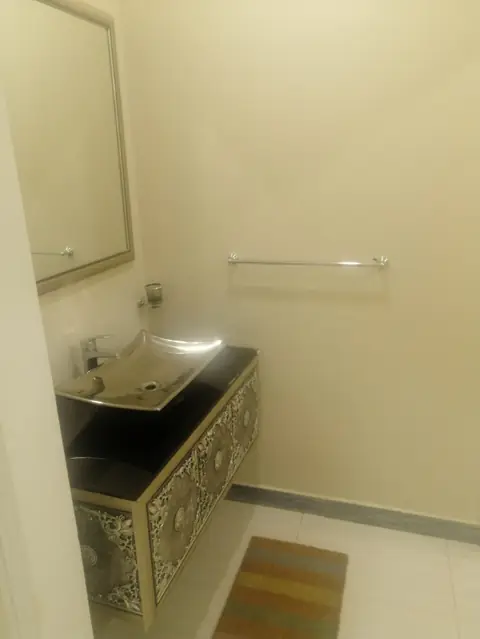
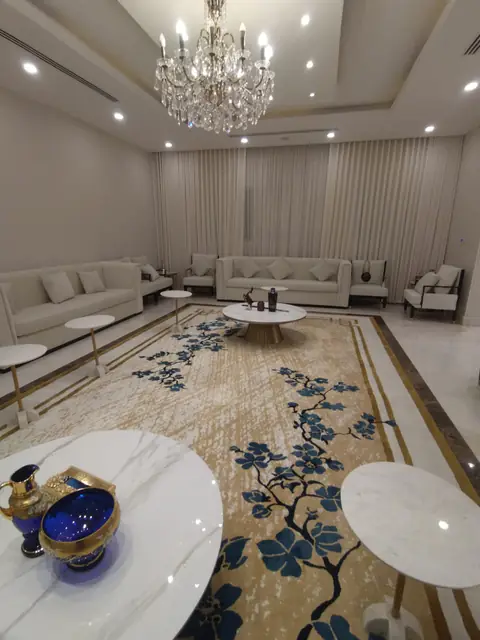
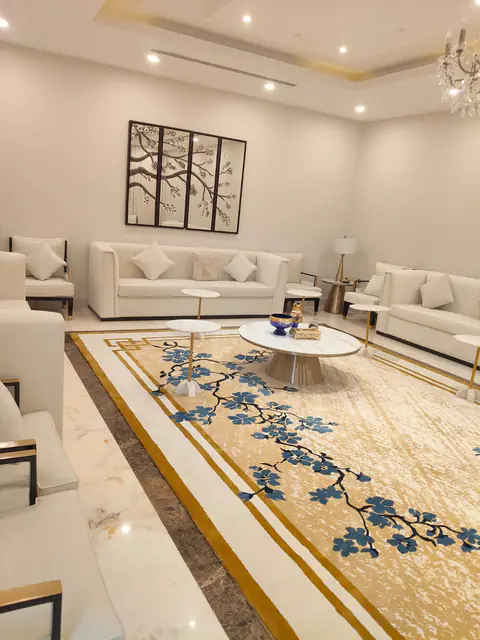
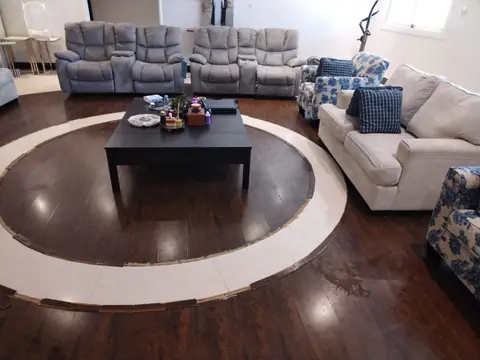
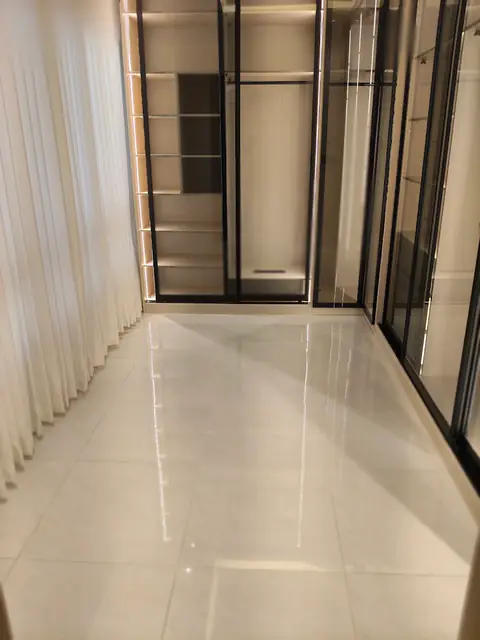
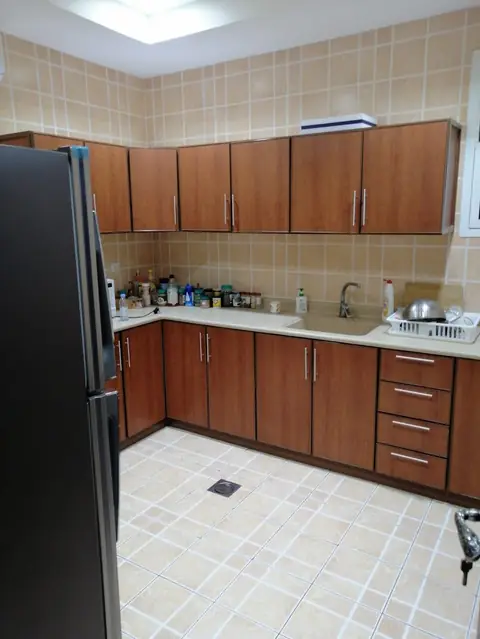
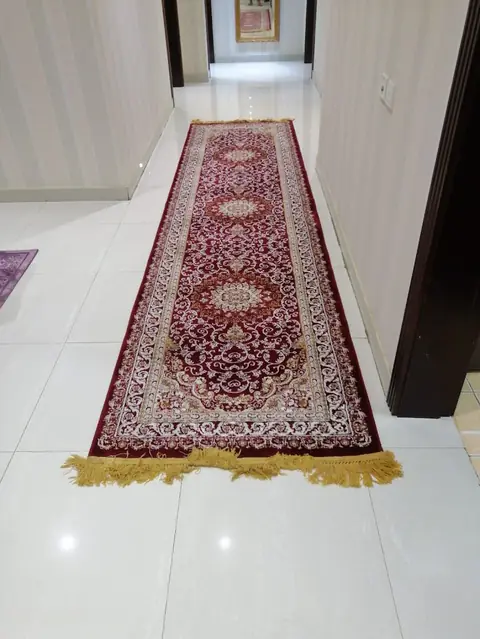
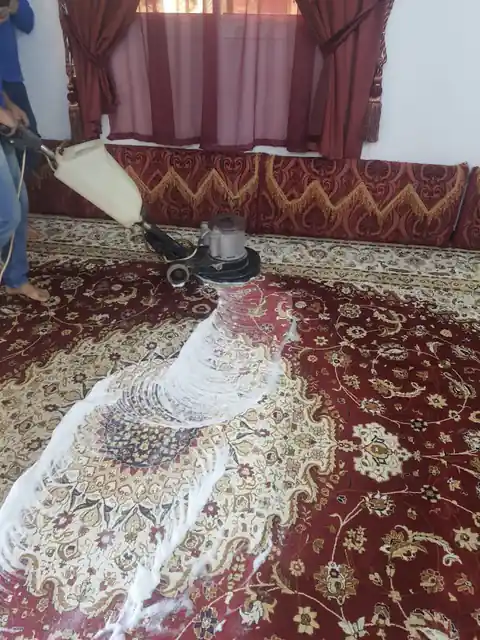
What our customers say
Real Google Maps reviews, word for word.
صراحة ممتازين جدا ويهتمون بأدق التفاصيل .. وجدا متعاونين الله يباركلهم .. من أفضل الشركات اللي تعاملت معاها
Google Maps شركة نظافة ممتازة يعطيكم العافيه
Google Maps يعطيكم العافيه.. شغل ممتاز يستاهلون ٥ نجوم
Google Maps
Questions about Mosque bathroom cleaning
Our mosque bathrooms are cleaned daily but the tiles still look dull, why?
Daily cleaning removes surface dirt but does not deal with deposits that work into grout or layer onto the ceramic over time. The water is high in calcium, and in a bathroom used all day those layers build up and dull the tile gradually, which is different from ordinary dirt that wipes away.
How do I know the drain openings in the wudu area need cleaning?
If wudu water sits on the floor longer than it should after use stops, or a smell comes from the drain opening, that points to sediment or hair blocking the pipe inside. Mention it when you call and we factor it into the work.
What should I prepare before the team arrives to clean the mosque bathrooms?
Keep the bathrooms clear of users, make sure water and lighting are available, and let whoever manages the mosque know the appointment so the bathrooms are not opened early. If there are marble tiles or unusual surface materials, mention that when you book.
Does cleaning a large mosque bathroom differ in cost from a small one?
Yes, the cost depends on the number of toilet units, the size of the wudu area, the number of taps, how heavy the deposit build-up is, and how easy it is to reach all the surfaces. Share those details when you call and we can give you an accurate picture.
The smell in our mosque bathrooms comes back quickly after cleaning, what causes that?
The source is usually organic residue in the drain openings or under the toilet rim, places that daily mopping does not reach. Deep cleaning those spots means the smell takes much longer to return compared with surface-only wiping.
More services under Bathroom cleaning