What does workshop cleaning cover?
In a workshop, different kinds of dirt combine: engine and machinery oil seeps into the concrete floor and hardens over time, metal shavings settle in corners and under workbenches, and the fine dust clings to walls and steel frames. When these layers build up over a long period, routine cleaning no longer shifts them.
Tell us your workshop's location, what kind of work happens there and its size, and we agree a time that fits your schedule. Call or message us on WhatsApp and leave the rest to us.
These are the parts and surfaces the cleaning goes through, based on the condition of your workshop and the kind of work done there.
- The concrete floor
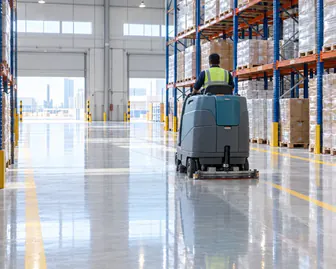
Concrete workshop floors absorb oil and grease over time, forming a hard dark layer. We scrape and deep-clean it so the floor is safe for workers to walk on and for equipment to move over.
- Metal shavings and residue
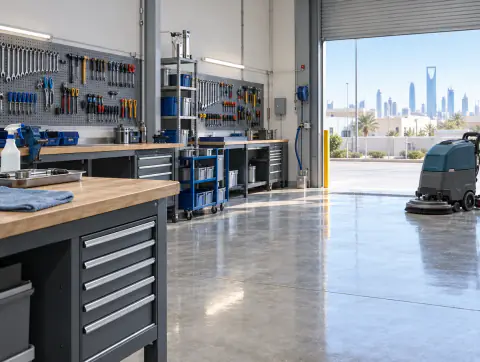
Shavings from turning, cutting and forming collect in corners, under benches and beneath machines. Left too long they compact and become harder to remove, so we collect and clear the areas where they settle.
- Interior walls and ceilings
Industrial dust and airborne oil particles cling to walls and ceilings and gradually discolour them. We wipe them down and remove what has built up, using the approach that suits the surface, whether bare brick, plaster or panels.
- Steel frames and columns
Load-bearing steel frames and columns collect dust and oil on their surfaces and trap dirt at their joints. Leaving them accelerates rust in the dry heat, so we wipe them down and clear what has built up.
- Storage areas and under benches
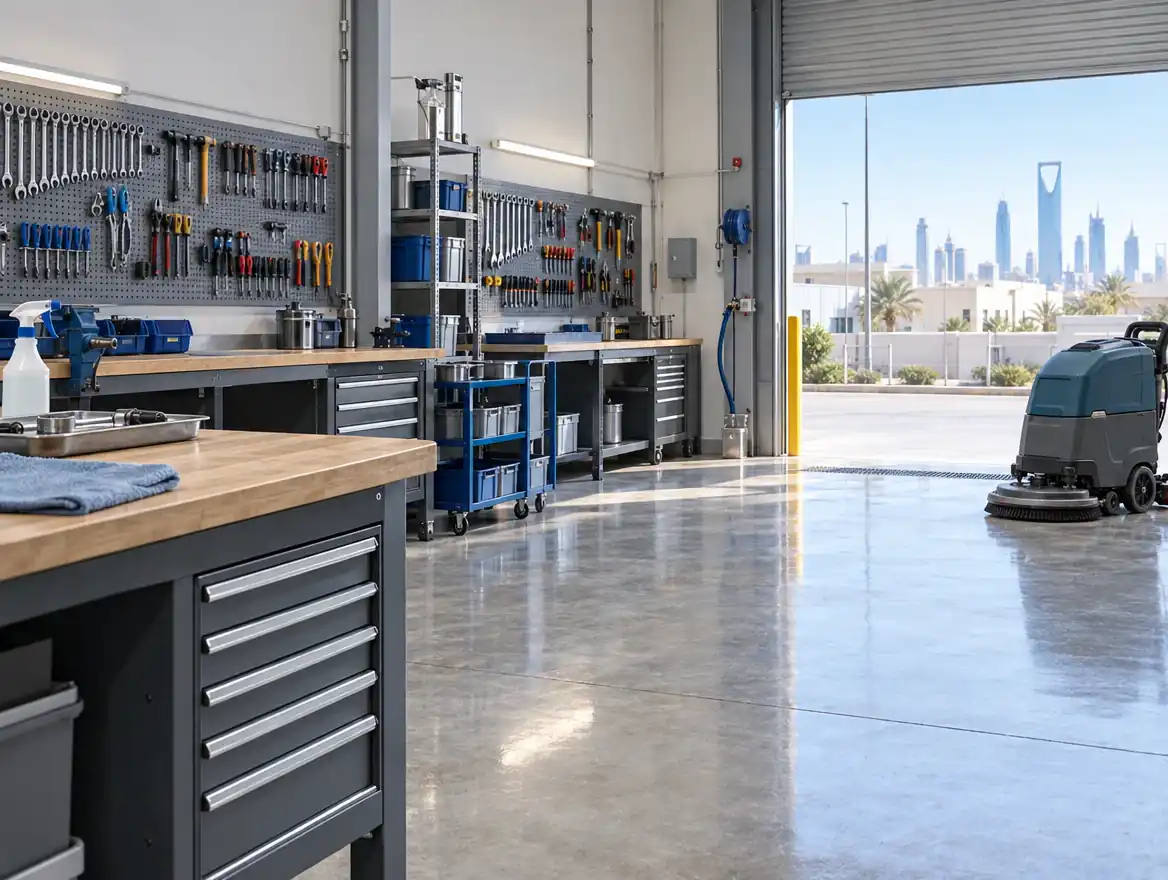
Spots that rarely get cleaned, under workbenches, between shelves and behind machines, become stores of shavings, dust and hardened oil. Reaching and clearing these areas is a core part of workshop cleaning.
- Entrances, doors and windows
Workshop entrances, large doors and windows carry the same dust and oil marks as other surfaces. Cleaning them improves the overall appearance and makes it easier to inspect safety fittings mounted nearby.
Four steps, and done
- 1
Call or message us on WhatsApp
+966 54 084 3018 - 2
Describe your workshop
Tell us the kind of work done in the workshop, its approximate size and which district it is in, and mention any areas needing particular attention such as a slippery floor or high steel frames.
- 3
We agree a time
We agree a time that suits your workshop schedule. It helps to clear loose tools from the work floor and make sure corners and spaces behind machines are accessible.
- 4
The work and the check after
We clean the floor, walls, frames and the rarely reached spots, then check the floor afterwards to confirm the oil layers and shavings areas are gone and there are no slippery patches left.
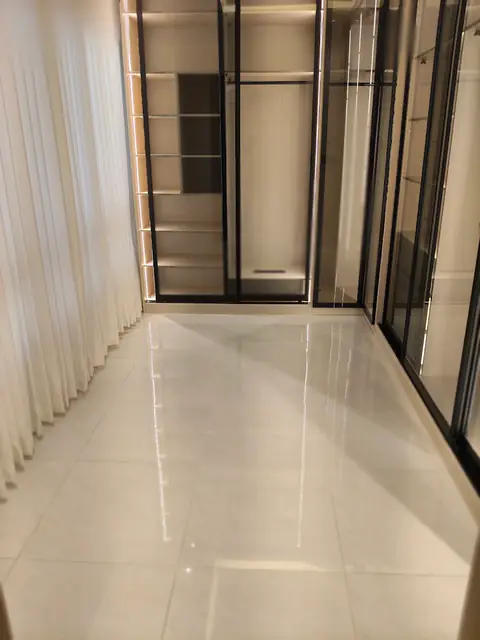
Some of our work
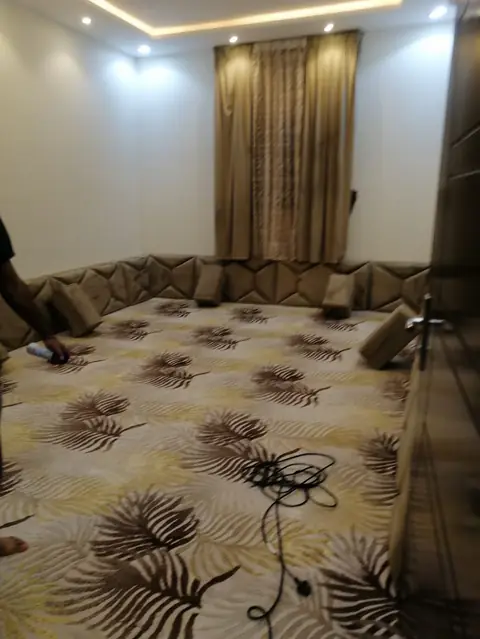
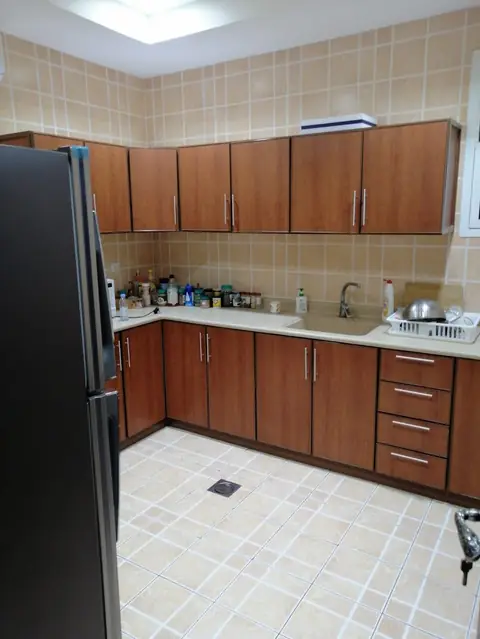
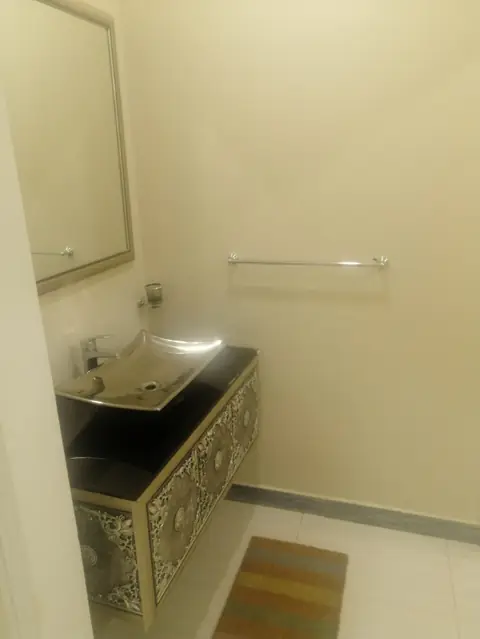
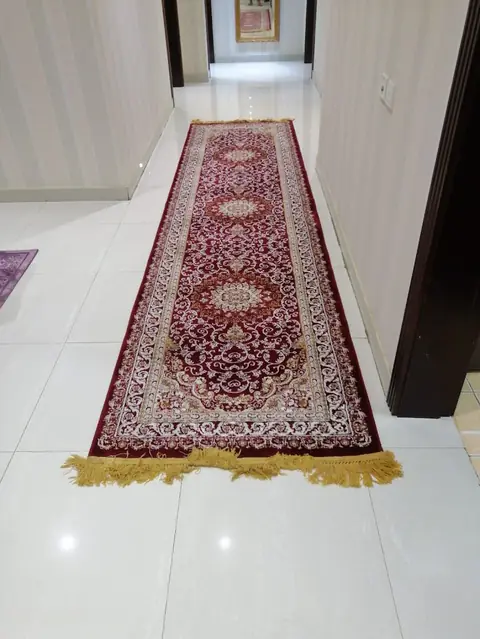

What our customers say
Real Google Maps reviews, word for word.
صراحة ممتازين جدا ويهتمون بأدق التفاصيل .. وجدا متعاونين الله يباركلهم .. من أفضل الشركات اللي تعاملت معاها
Google Maps افضل عمال وتنظيف روووعة يعطيكم العافية
Google Maps شركة نظافة ممتازة يعطيكم العافيه
Google Maps
Questions about Workshop cleaning
How do I know my workshop floor needs specialist cleaning rather than routine cleaning?
A clear sign is a hard dark layer of oil and grease that a brush or hose cannot remove. Other signs are compacted shavings in corners, discoloured interior walls, or chronic soiling on steel frames. These all point to buildup that needs more than routine cleaning.
Are metal shavings cleared in the same visit as the floor?
Shavings and floor cleaning are part of the same workshop job. The exact scope is agreed when you call. Collecting shavings from corners and under benches usually comes before floor cleaning, so they do not scatter again during the work.
What should I prepare before the workshop cleaning visit?
It helps to move loose tools and parts off the floor and ensure access to corners, under benches and behind machines. If any equipment or components must stay dry, mention that when you call so we can work around them.
My workshop is on an upper floor with high steel frames, does that affect the job?
Yes, location and height affect how walls and frames are cleaned. Tell us when you describe the workshop, and access details and what is needed will be agreed once the scope of work is settled.
I used to leave workshop cleaning to the workers inside, what goes wrong with that?
A worker in the shop removes what is visible, but oil soaked into concrete, compacted shavings under benches and residue on frames need a different approach. The problem is that neglecting these built-up layers makes them harder and more time-consuming to remove later.
More services under Factory & warehouse cleaning