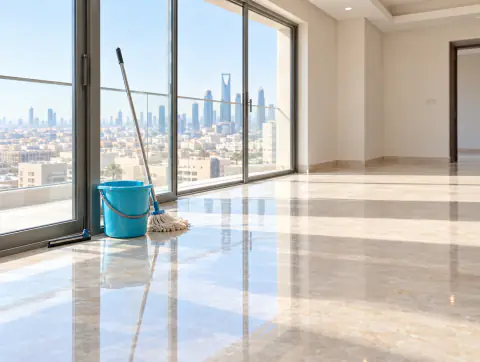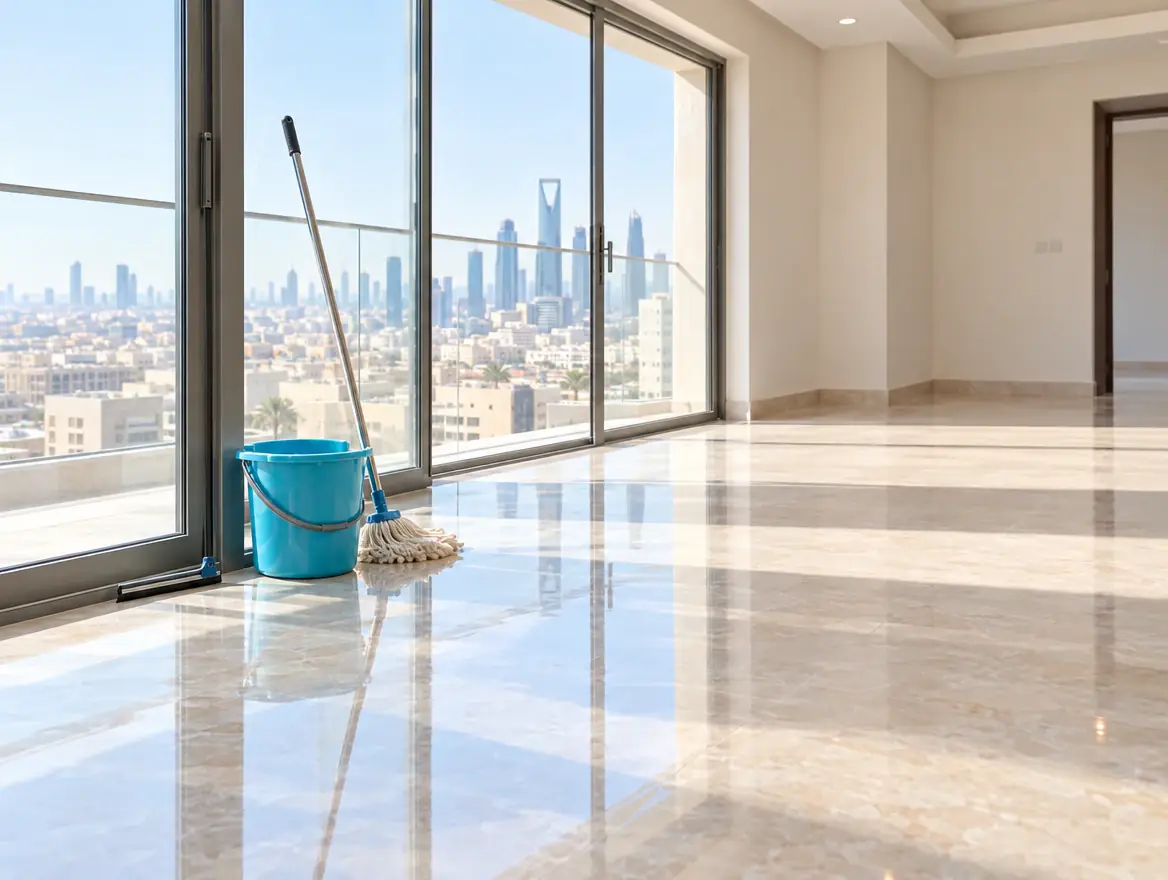
What does new-home cleaning cover?
A new home looks finished from the outside, but the interior surfaces hold what the construction trades left behind: paint splashed on tiles and window glass, sticky marks from protective tape and labels, and fine dust from plasterboard and concrete that settled into corners, onto ceilings and across kitchen units. That kind of dirt does not lift with a regular wipe.
We clean the home from top to bottom before your furniture goes in or you settle in. Call or message us on WhatsApp, tell us your district, the number of rooms and what you notice on the surfaces, and we agree a time.
These are the parts the cleaning goes through in a new home, depending on the type of finish and the traces the work has left behind.
- Floors and ceramic tiles
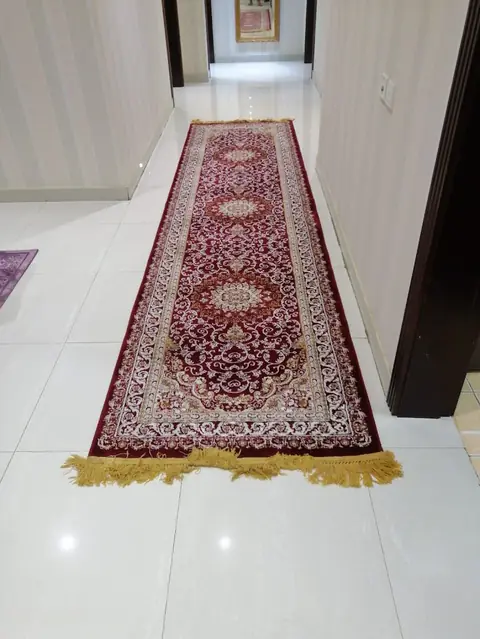
Drilling dust and dried mortar are removed from ceramic and porcelain tiles, and the grout lines between them are cleaned out, as they collect dust and hold cement residue from the laying work.
- Windows and glass
Glass is cleaned of paint splashes, protection stickers and silicone marks, as these materials stick to glass and need a different approach from ordinary dust.
- Walls and ceilings
New walls are wiped down from fine plaster and paint dust, and small paint spots are removed before they harden onto the surface.
- Bathrooms and toilets
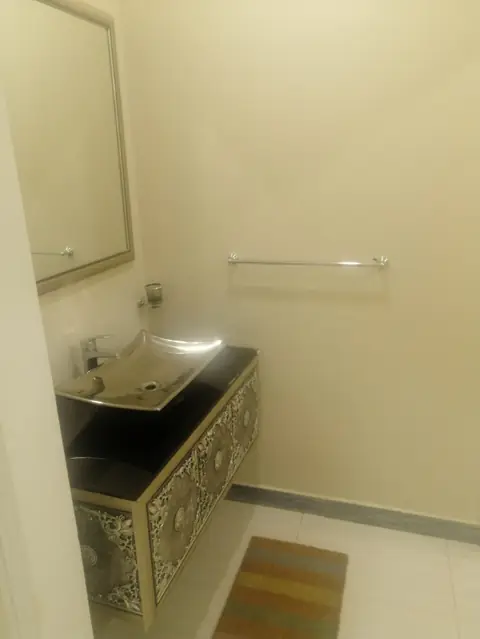
Basins, toilets and shower areas are cleaned of mortar residue and drilling dust, and floors and walls are wiped of installation marks left by the fitting work.
- Kitchen and cabinets
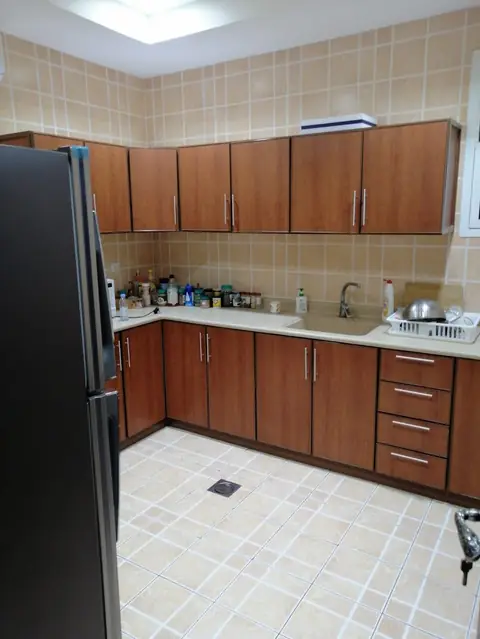
Cabinets are cleaned inside and out from dust, stickers and residue left by protective wrapping, and stone or quartz countertops are wiped of marks from the installation.
- Entrances, stairs and doors
Doors are cleaned of paint residue and protective stickers, and stair handrails and entrance floors are wiped down, as those are where the heaviest dust accumulates.
Four steps, and done
- 1
Call or message us on WhatsApp
+966 54 084 3018 - 2
Tell us about the home
Tell us which district the apartment or villa is in, how many rooms it has, and what finishing residue you can see, so we understand what the home needs.
- 3
We agree a time
We settle on a time that suits you before the furniture arrives, and it helps if the home is completely empty of belongings when we come.
- 4
We start from the top
We clean from ceilings and walls down to floors, bathrooms and the kitchen, and once finished you check the surfaces, glass and grout lines before we leave.
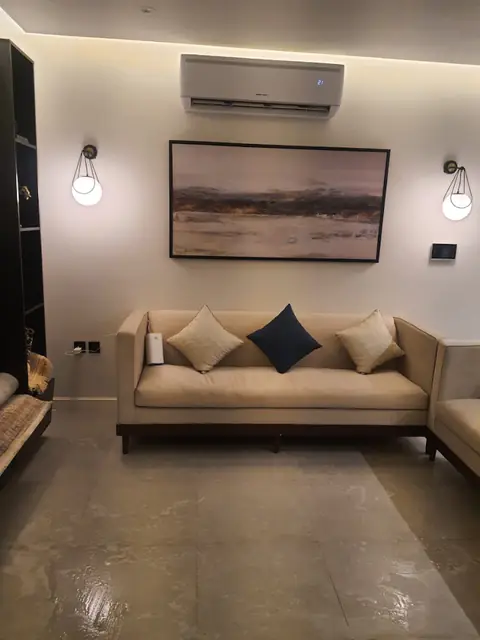
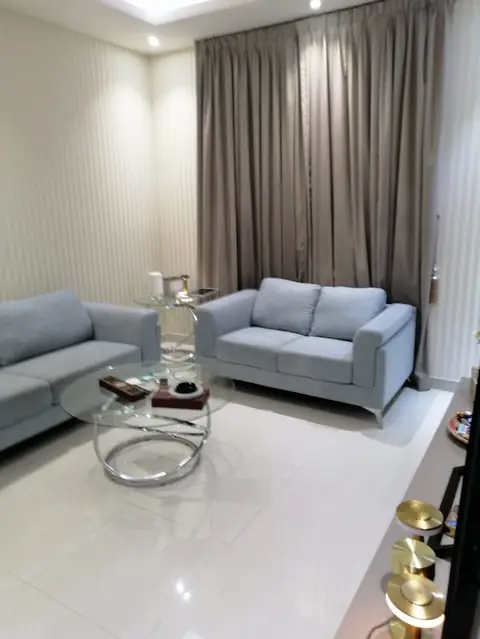
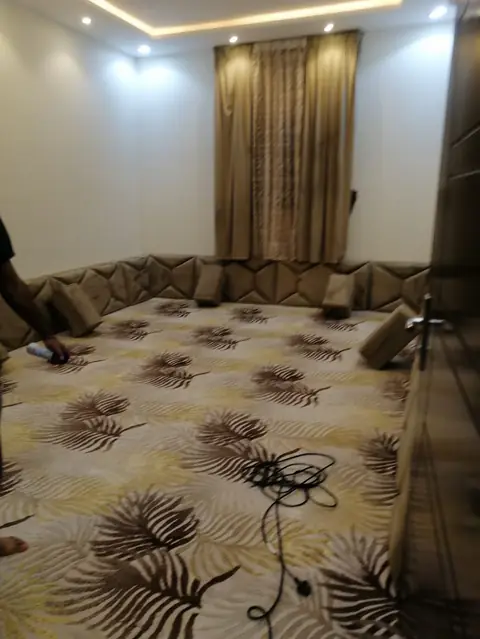
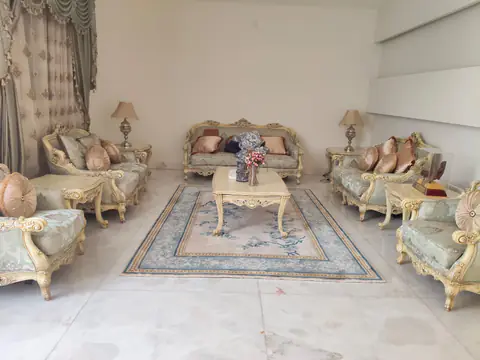
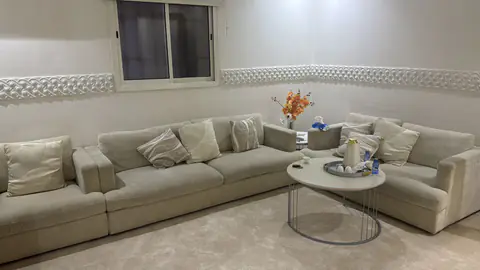
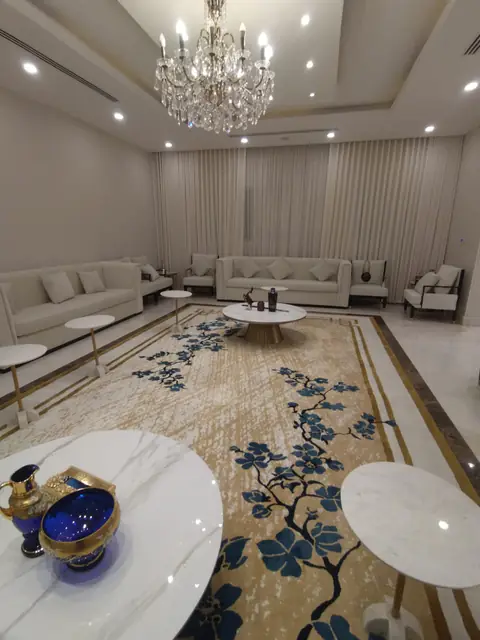
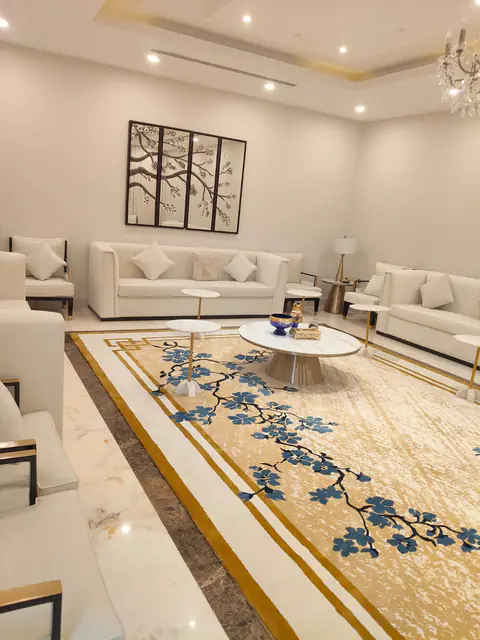
Some of our work
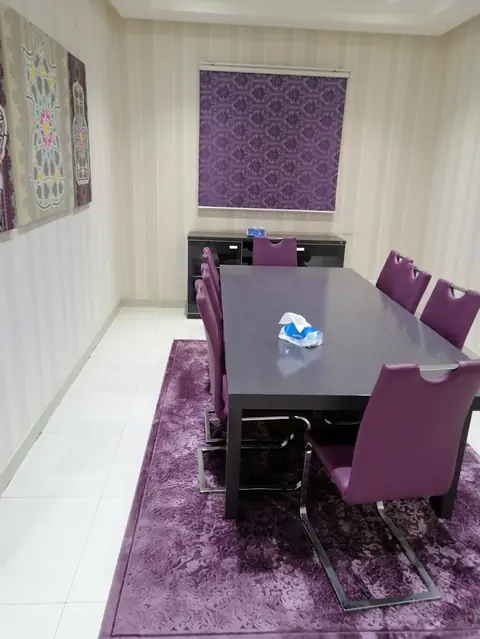
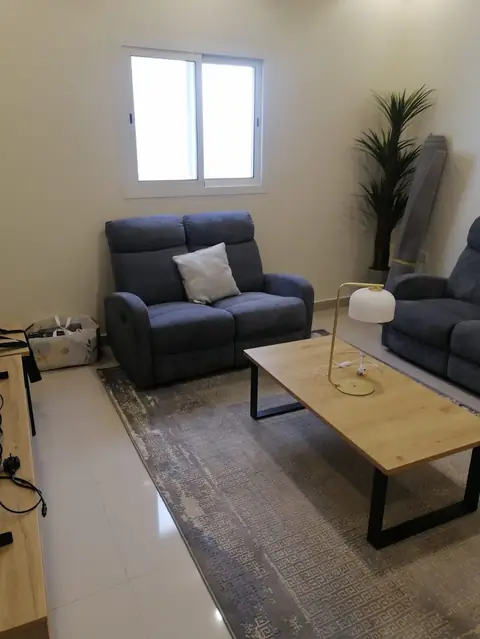
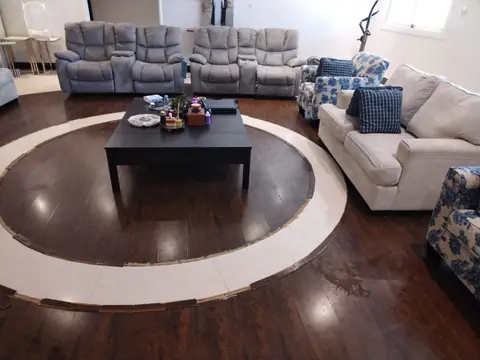
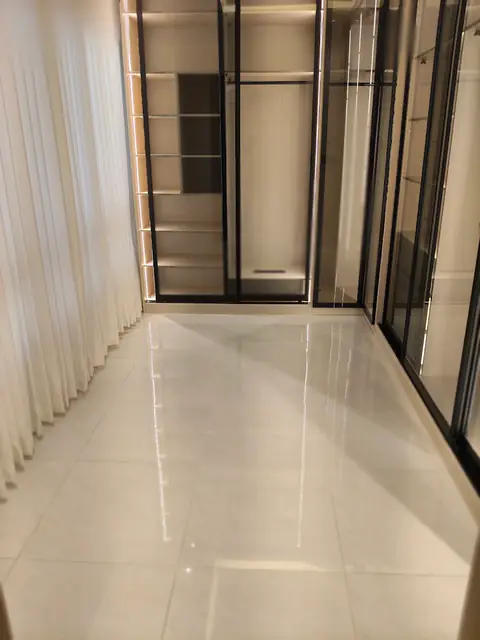

What our customers say
Real Google Maps reviews, word for word.
يعطيكم العافيه.. شغل ممتاز يستاهلون ٥ نجوم
Google Maps شركة نظافة ممتازة يعطيكم العافيه
Google Maps افضل عمال وتنظيف روووعة يعطيكم العافية
Google Maps
Questions about New-home cleaning
Is new-home cleaning different from move-in / move-out cleaning?
New-home cleaning focuses on finishing residue: paint, adhesive marks, plaster and concrete dust. Move-in / move-out cleaning also addresses traces of previous occupancy. The same team handles both, and when you call we ask about the condition of the home to agree on what fits.
When is the right time to clean a new home?
The best time is after all finishing work is done and before any furniture comes in. An empty room gives clear access to every surface, corner and floor without obstacles, and ensures no furniture covers what still needs cleaning.
My tiles have white grout lines, are those cleaned too?
Yes, grout lines often hold cement residue and installation dust and are cleaned as part of the floor work in a new home. If your grout is coloured or needs special care, mention that when you call.
Does the type of finish change how the job is done?
Yes. Marble is different from ceramic, a painted wall is different from one with decorative plaster, and patterned glass needs different care. That is why we ask about your surfaces and materials when you call, and each surface is handled accordingly.
What should I check when the new-home cleaning is done?
Check the glass in daylight for any remaining paint or sticker marks, run your hand along the floors to feel for sand or mortar, and look into corners, under cabinets and across ceilings. Do this check before we leave so any point you raise can be addressed on the spot.