What does bird control installation cover?
Birds pick specific spots to perch and nest: a projecting window sill, a sheltered balcony corner, an AC bracket, a concrete parapet ledge. In the heat and with the city's building styles, these spots become permanent roosts, and the longer birds stay the more fouling and damage accumulates on paintwork, pipes and waterproofing.
Tell us what you are seeing: where the birds land, whether they are nesting, and which part of the building it is. We agree a time, then fix whatever the spot needs, whether that is spikes, netting or a deterrent. Call or message us on WhatsApp and tell us your district.
These are the elements the work usually goes through, depending on the surfaces, the site and what you describe when you call.
- Surveying perch spots
We start by looking at the ledges, roof areas and corners where birds keep returning, because the surface type and its angle determine which solution will hold reliably.
- Ledge spikes
We fix metal or plastic spike strips to window ledges and parapets; they stop birds landing without damaging the concrete or aluminium surface beneath.
- Protective netting
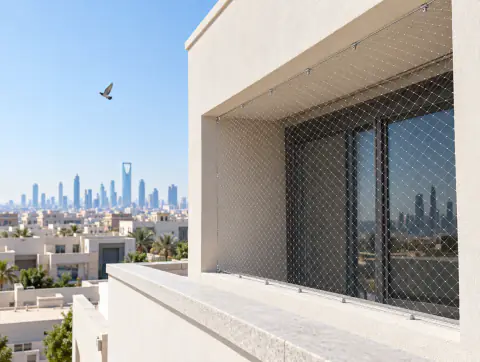
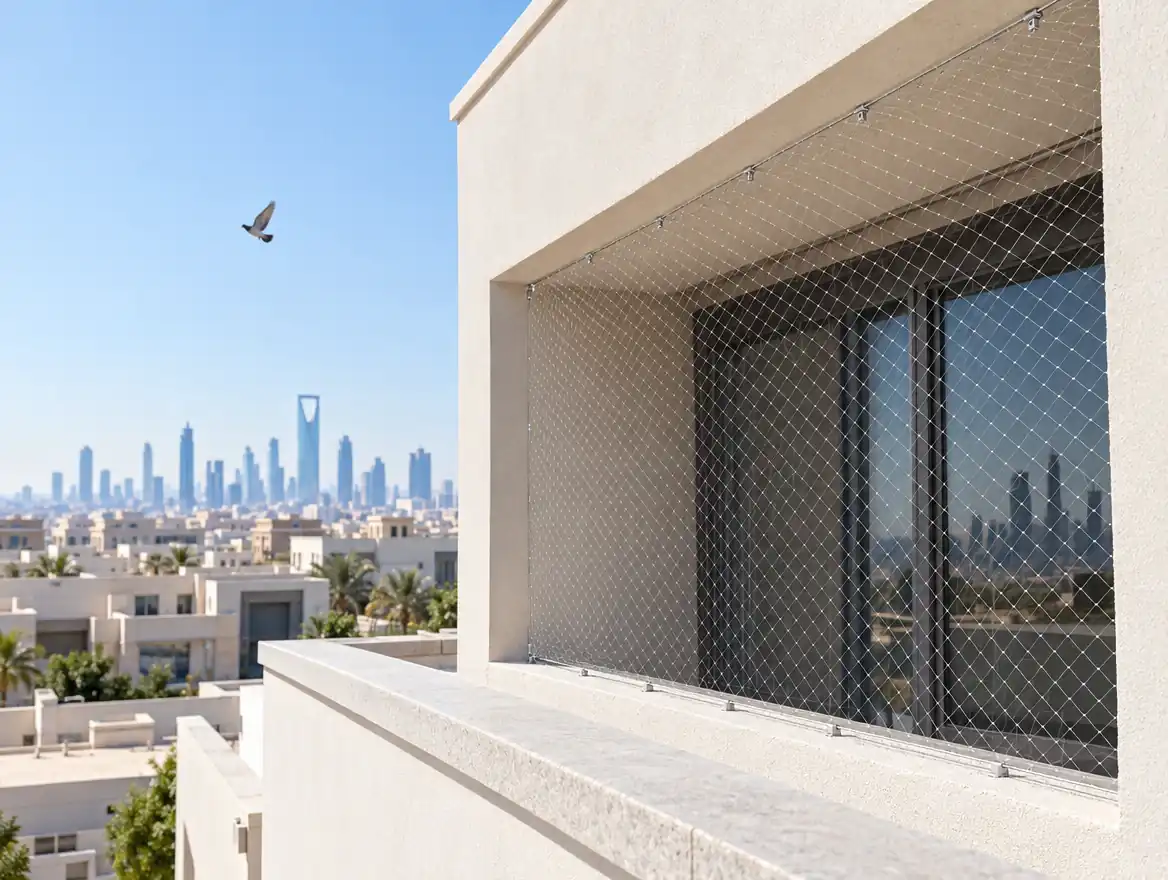
Nets go over balconies and wide openings where spikes are not practical; they block bird entry completely while letting air and light through.
- AC bracket protection
Outdoor AC brackets are favoured nesting spots because of the warmth and wind shelter; we treat these areas to stop nest-building without blocking the unit's ventilation.
- Removing nesting debris
Before fitting anything we remove feathers, old nests and fouling from the treated area, because traces of a previous roost keep attracting birds back if they stay.
- Hidden gaps and entry points
Many buildings have gaps in the facade or under the eaves where birds get inside to nest; we identify these spots and advise on sealing them.
Four steps, and done
- 1
Call or message us on WhatsApp
+966 54 084 3018 - 2
Describe the spot
Tell us where the birds perch or nest, whether it is a ledge, a balcony, a rooftop or an AC bracket, and which district you are in.
- 3
We agree a time
We settle on a time that suits you; make sure the area to be treated is accessible, and let us know if it is at height or needs access from inside the building.
- 4
Installation and check
We fit the right solution for each spot, then walk through the treated areas with you so you can see what was done and notice if any spot was missed.
Some of our work


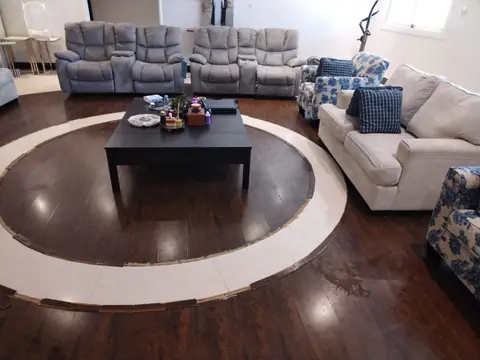
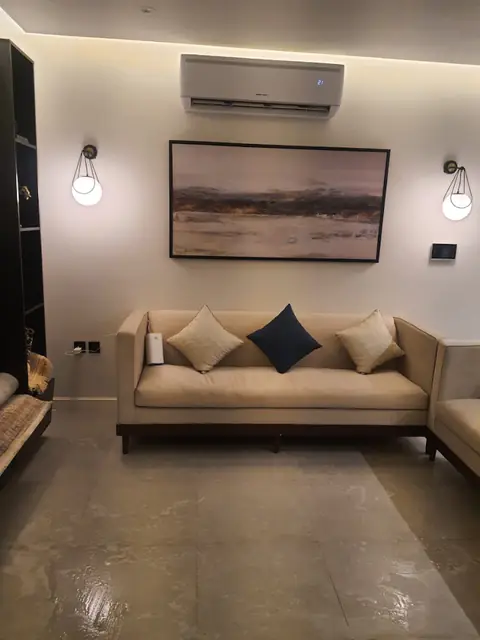
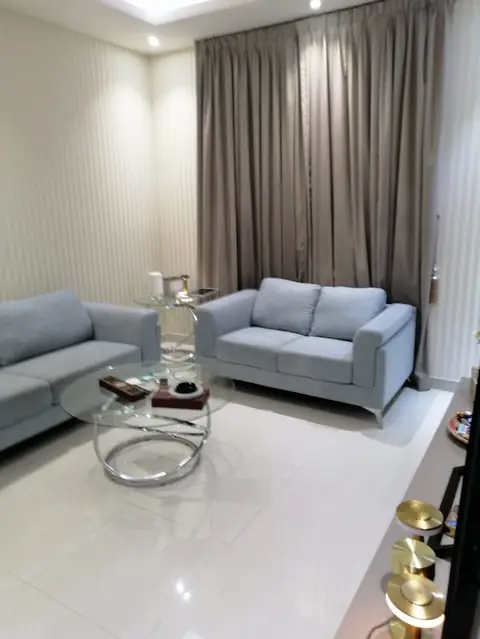
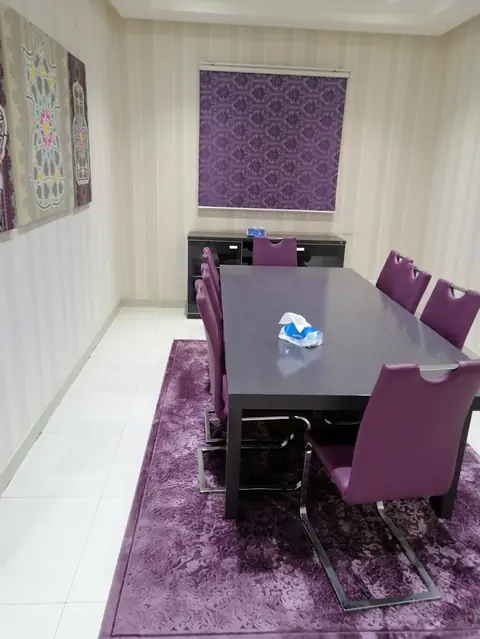
What our customers say
Real Google Maps reviews, word for word.
صراحة ممتازين جدا ويهتمون بأدق التفاصيل .. وجدا متعاونين الله يباركلهم .. من أفضل الشركات اللي تعاملت معاها
Google Maps افضل عمال وتنظيف روووعة يعطيكم العافية
Google Maps شركة نظافة ممتازة يعطيكم العافيه
Google Maps
Questions about Bird control
How do I know birds have caused real damage and not just a nuisance?
Bird droppings are acidic and slowly eat into paint, concrete and metal, especially in the heat which speeds up the reaction. Look for flaking paint under perch spots, dark staining on roof waterproofing, and rust on metal brackets. If you find any of these, the problem goes beyond a nuisance.
Do I need to prepare anything before the visit?
Make sure the areas you want treated are accessible: unlock the roof door if it is closed, and move anything blocking the ledge or balcony. If the area is at height, let us know in advance so we can prepare for it.
What is the difference between ledge spikes and netting, which suits me?
Spikes suit narrow ledges, railings and parapets where you do not need to close off a whole opening, while netting suits large balconies and gaps you want fully sealed. Many buildings need both in different spots, and that is what the survey shows.
Do spikes work on an older building with worn ledges?
Worn or crumbling ledges make fixing harder because the base needs a solid surface. We check the ledge during the survey and tell you whether it can take standard fitting or needs a different approach, so the spikes do not loosen after a short time.
What should I check in the days after installation?
Watch the treated spots to see if birds try to land on them or move to a nearby ledge that was not covered. If you notice a spike strip has come loose or a net has opened a gap, let us know. These observations matter most in the first few weeks.