What does rat control cover?
A rat follows fixed paths between its hiding place and its food source, leaving dark greasy smear marks along walls and small droppings near corners and cupboards. The heat pushes rats into buildings in search of moisture and food, particularly in kitchens and behind large appliances.
We start by listening to what you have noticed, then we examine movement trails and likely entry gaps in walls, ceilings and pipes, and place bait stations and traps at the right points. Call or message us on WhatsApp, tell us your district and building type, and we agree a time.
These are the areas the work goes through in rat control, depending on the condition of the building and what you have noticed.
- Movement trail inspection
We read the grease marks, droppings and gnaw marks on wood and plastic to identify the path where rat activity repeats at night.
- Entry point location
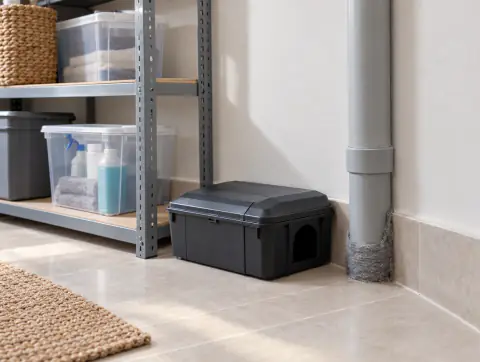
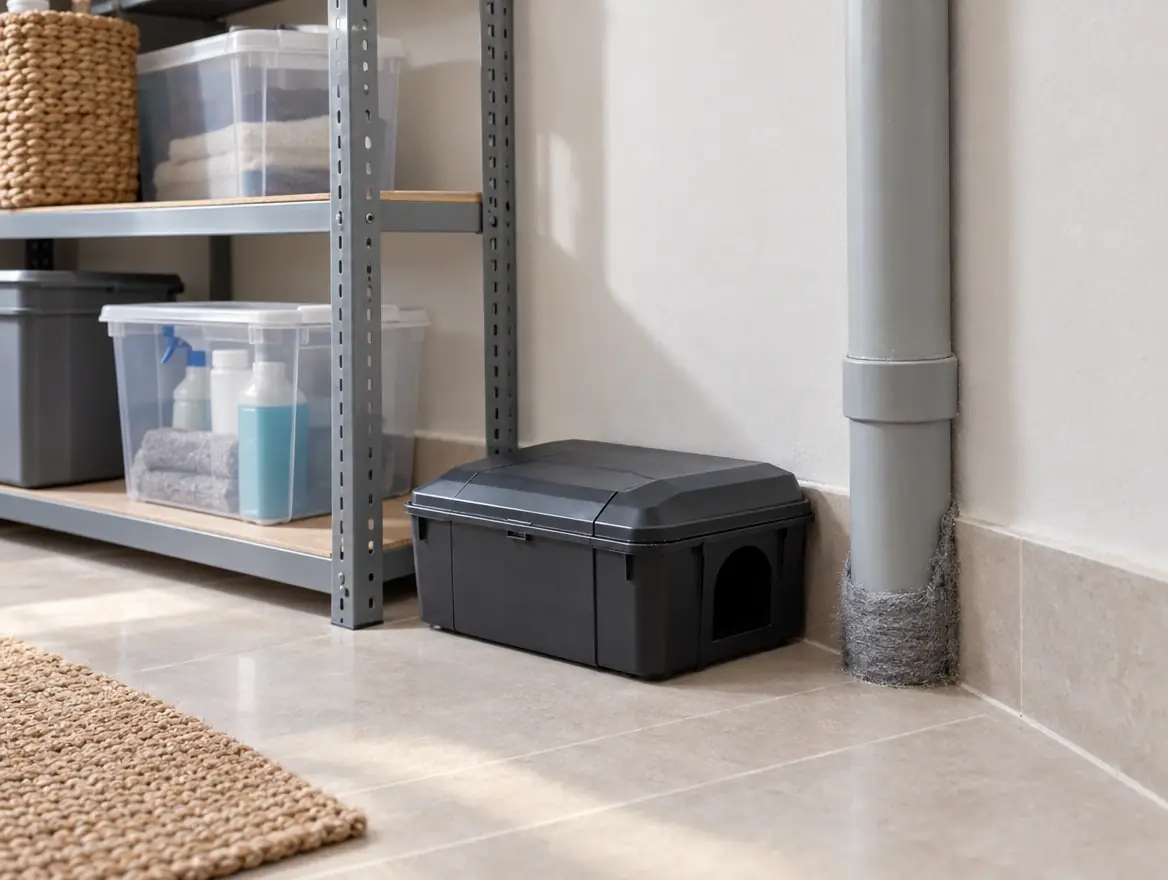
We check gaps around drain pipes, cables and openings in walls and ceilings, since a rat can enter through a hole no wider than a thumb.
- Bait station placement
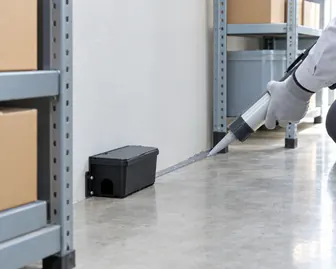
Bait stations are placed on the trails we have identified, close to usual hiding spots, not in random positions away from the rat's movement.
- Mechanical traps
Traps are used where the space calls for them, fixed close to walls where the rat touches the surface as it moves.
- Wall and pipe gaps
We identify openings the rat uses to enter or exit, and point out what can be sealed to prevent return after treatment.
- Corners, cupboards and appliances
Rats shelter behind appliances, under heat sources and inside cupboards, so the inspection covers these spots without exception.
Four steps, and done
- 1
Call or message us on WhatsApp
+966 54 084 3018 - 2
Tell us what you notice
Describe the signs you have seen, such as droppings, gnaw marks or sounds, which district you are in, and whether the building is a flat or a villa.
- 3
We agree a time
We settle on a time that suits you, and beforehand clear the lower kitchen cupboards as much as you can and move food items off the floor and away from corners.
- 4
We work, then you check
We examine the trails and set the bait stations and traps in place, and afterwards you watch for any new sound or mark and tell us what you notice when you call.
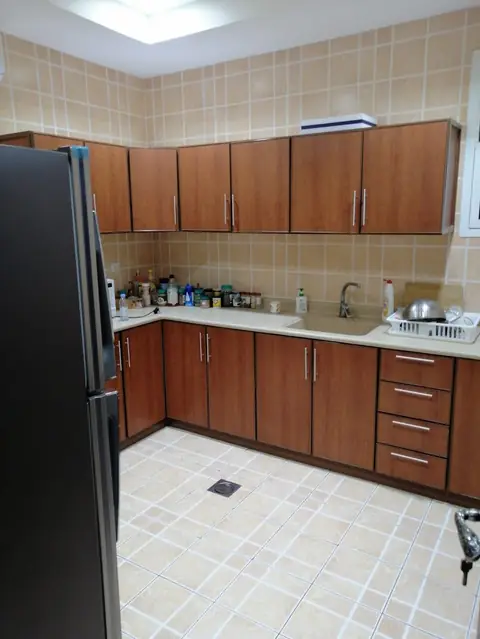
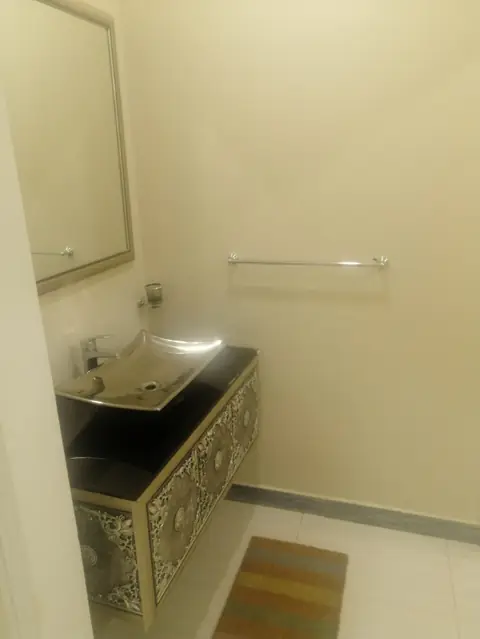
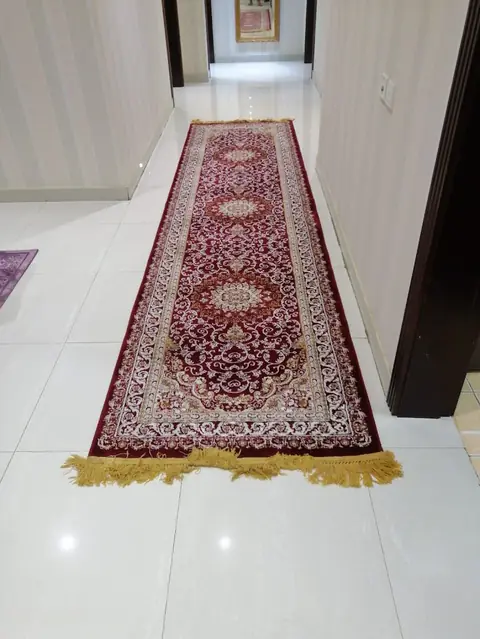
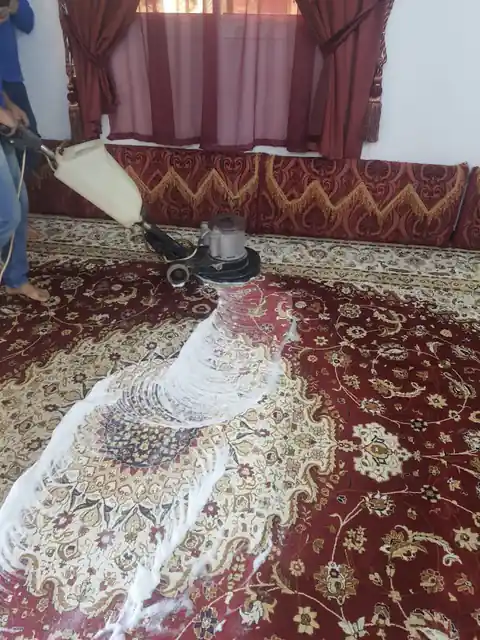
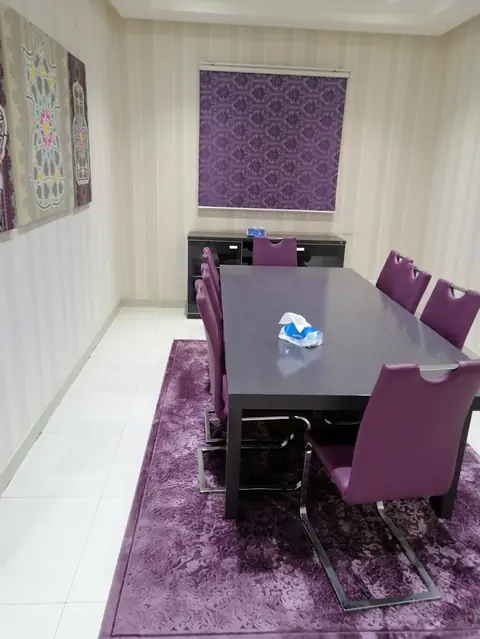
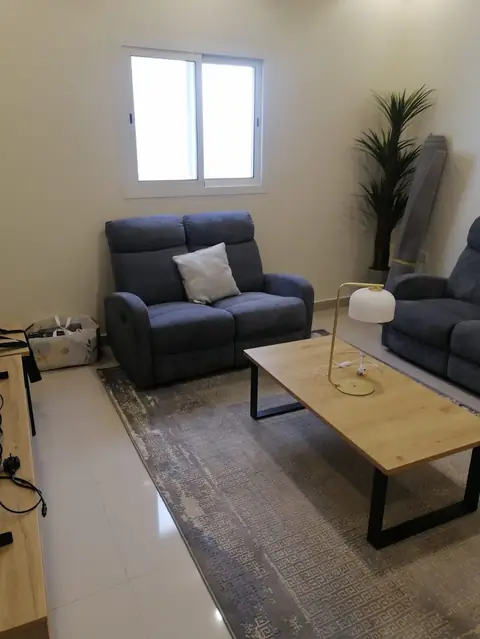
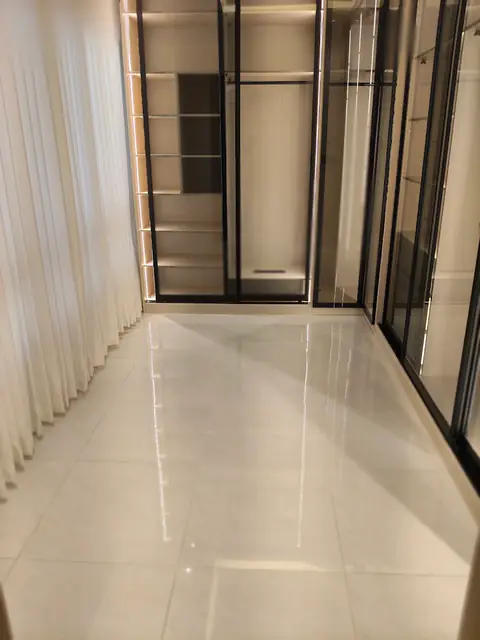
Some of our work

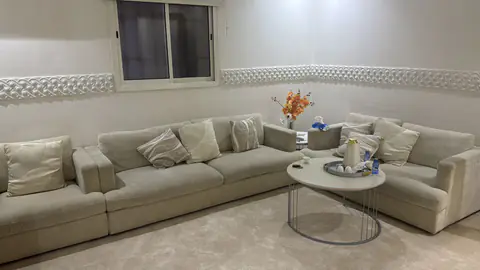


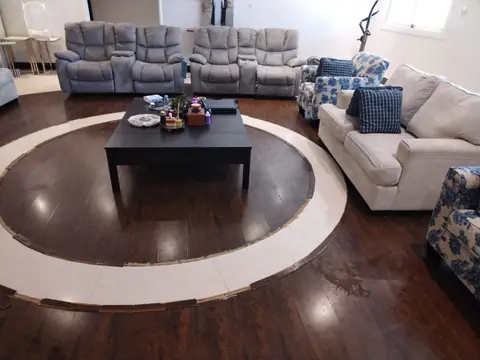
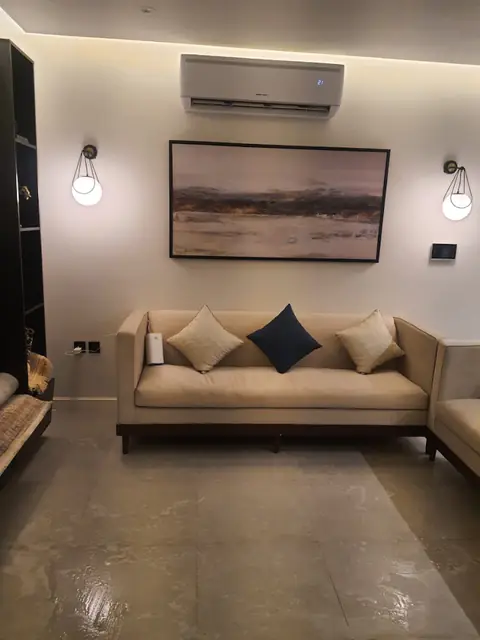
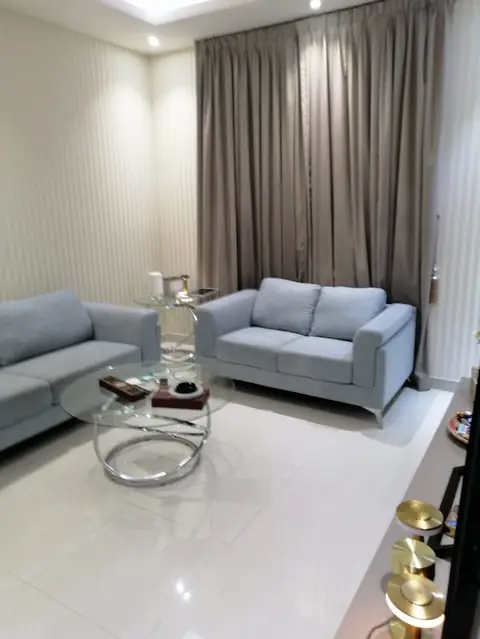
What our customers say
Real Google Maps reviews, word for word.
صراحة ممتازين جدا ويهتمون بأدق التفاصيل .. وجدا متعاونين الله يباركلهم .. من أفضل الشركات اللي تعاملت معاها
Google Maps شركة نظافة ممتازة يعطيكم العافيه
Google Maps يعطيكم العافيه.. شغل ممتاز يستاهلون ٥ نجوم
Google Maps
Questions about Rat control
I found droppings in the kitchen, is it definitely a rat or could it be something else?
House mouse and rat droppings differ in size: mouse droppings are small and pointed at both ends, while rat droppings are larger and more rounded. If gnaw marks on plastic or wood accompany the droppings, you are most likely dealing with a rat rather than an insect. Tell us what you saw in detail and we will help you assess it.
I hear sounds in the ceiling at night, do rats live in suspended ceilings?
Yes, suspended ceilings and floor voids are among the common places rats shelter, offering warmth and a hidden path between rooms. Night sounds come in two types: a light rustling that signals movement, and intermittent gnawing near a hard surface. Tell us the type and location and we will work out the right step with you.
What should I prepare in the kitchen before the team arrives?
Clear the lower kitchen cupboards as much as you can, move unwrapped food off the floor and away from corners, and let us know if you have pets or young children so we factor that into where we place traps. No special preparation is needed elsewhere in the home.
After treatment, how do I know the problem is actually gone?
In the days after treatment, notice whether the night sounds have stopped and whether fresh droppings appear near corners and bait stations. If you notice new activity or signs that were not there before, tell us when you call so we can assess the situation.
The rat situation in my commercial office is different from my home, is the approach different?
Yes, the work in a commercial building or warehouse differs from a residential flat in terms of the inspection area, the number of bait points and trap positions. That is why we ask about the type of place, its size and how it is used when you call, and we agree on what suits your situation.