Choose the disinfection service that fits your tank
In many homes the water tank is out of sight, either below the floor as a ground tank or up on the roof, and because of that it can go unchecked for a long time. The fine dust carried in the water supply, the sediment that settles from the walls, and the algae that grow where light gets in all collect at the bottom and sides of the tank without anyone noticing.
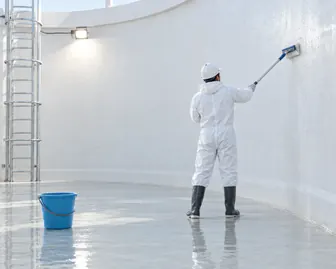
Water stored in a tank that has not been disinfected for a long time can carry traces of that sediment to the tap. You might notice a taste you are not used to, a faint smell, or a slight colour when the water sits still. The cause is often in the tank itself, not in the main water supply. Some residents ask for tank cleaning and disinfection together, and that is the right approach: washing first to remove sediment, then disinfection to deal with what washing alone cannot reach.
Call or message us on WhatsApp and tell us your district, where the tank sits and roughly how large it is if you know. We agree a time with you. In the list below you will find ground-tank disinfection, which you can go to directly if you already know your tank type.
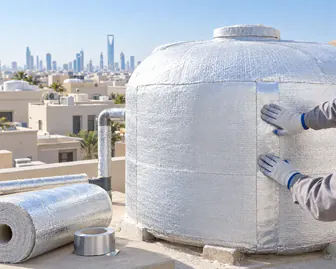
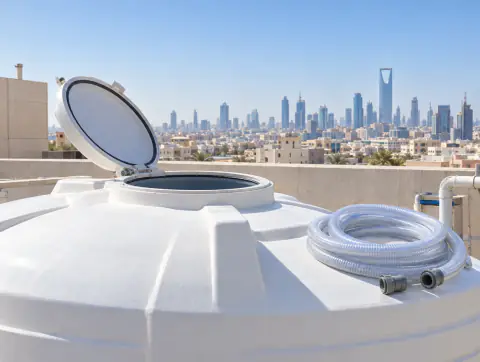
Where your tank sits and how it is built determines the right disinfection approach, so go to the service that describes your tank.
- Ground-tank disinfectionYour tank is buried under the floor or built into the structure and you have noticed a smell in the water or sediment around the access point.
What sets Naqa apart
Naqa is a small village with family homes and small farms, and tanks vary in size and condition depending on each household's resources. Water in rural areas may carry contaminants from the ground and wells, and the tank holds onto them. Tell us about your tank, where it is and what you have noticed about the water, and we plan appropriate disinfection and agree a visit time.
Naqa is a small village, so you order cleaning and disinfection services the same way: call or message on WhatsApp, and we agree a convenient time.
In small villages and hamlets, access may depend on road conditions in certain seasons, so describe the location clearly when you call.
Four steps, and done
- 1
Call or message us on WhatsApp
+966 54 084 3018 - 2
Tell us about your tank
Tell us what you have noticed in the water, where the tank sits, its rough size if you know it, and which district you are in.
- 3
We agree and you prepare
We settle on a time that suits you, and you make sure the tank access point is reachable and the area around it is clear before we arrive.
- 4
Disinfection and the check after
We carry out the tank wash and disinfection, then we check that access points are properly sealed. You can notice the difference in the water during the first use after.
Some of our work
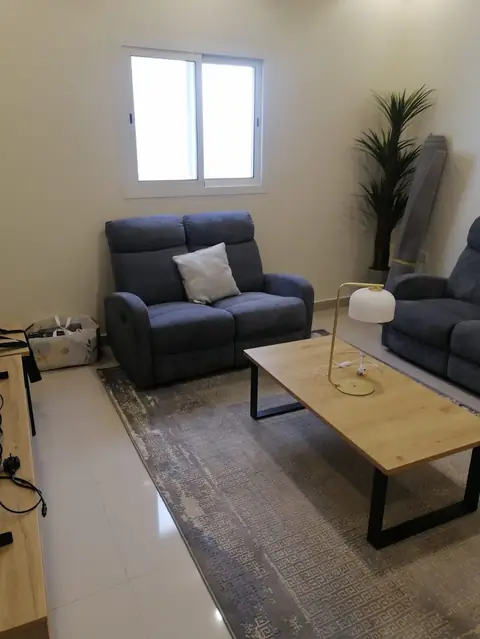

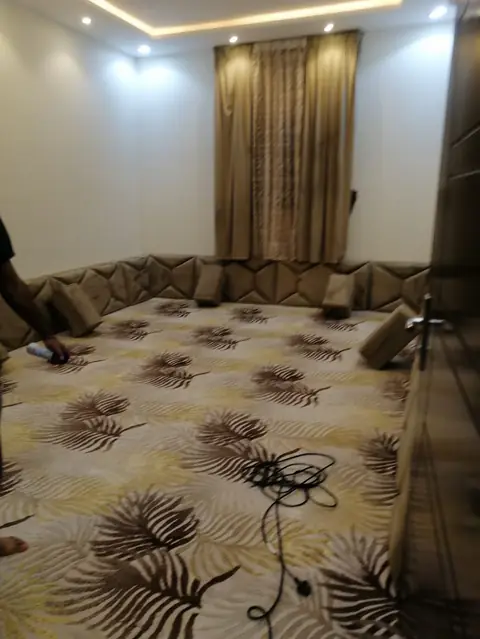
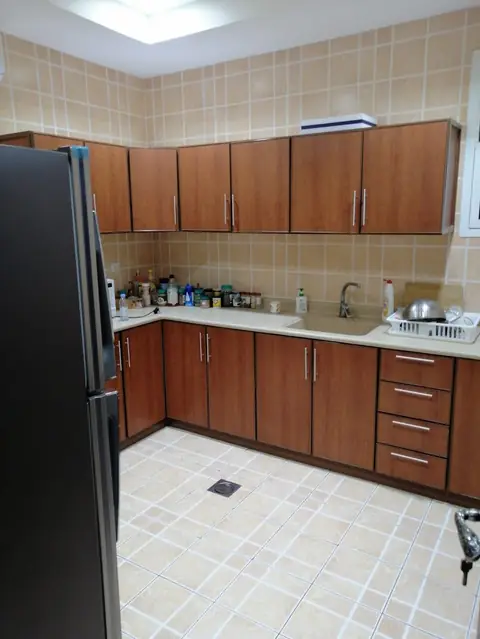
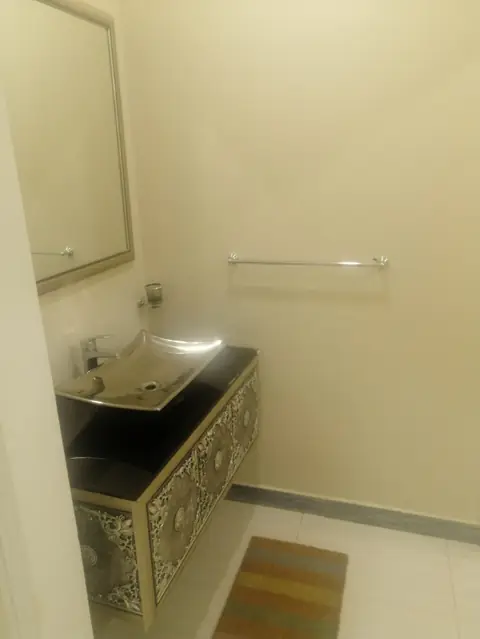





What our customers say
Real Google Maps reviews, word for word.
شركة نظافة ممتازة يعطيكم العافيه
Google Maps يعطيكم العافيه.. شغل ممتاز يستاهلون ٥ نجوم
Google Maps افضل عمال وتنظيف روووعة يعطيكم العافية
Google Maps
Questions about Water tank disinfection
My water looks clean, do I still need to disinfect the tank?
Yes, because many sediment deposits and bacteria do not change the colour or taste of the water at first. A ground tank under the floor can have a small unnoticed external seep, and a rooftop tank faces the extreme summer heat, which speeds up algae growth on the inner walls. The water looking clear does not mean the tank floor is free of sediment.
What is the difference between washing the tank and disinfecting it?
Washing removes visible sediment and the dirt clinging to the walls and floor of the tank. Disinfection is the step that follows, targeting what washing alone leaves behind. That is why many homeowners ask for drinking-water tank disinfection alongside the wash, and we go through the details with you when you call.
My tank water smells of chlorine, is that normal?
A faint chlorine smell in water from the mains supply is normal, but if the smell is strong or persists after storage it may come from a previous disinfection that was not fully flushed, or from something leaching from the tank walls. Chlorine tank disinfection is a common method, and doing it correctly requires a precise dose and a thorough flush afterwards.
Do I need to empty the tank before you arrive?
You do not need to empty it yourself beforehand. When you call we tell you what to have ready, and usually it is enough to give easy access to the tank opening and to reduce the pump feed from the mains if you can. Anything to do with draining is agreed in advance according to the type and size of your tank.
How often does a tank need disinfecting in a year?
There is no single answer for every situation, because the frequency depends on the water source, the condition of the tank, its position and how much it is exposed to light and heat. A rooftop tank facing a harsh summer needs closer attention than an insulated ground tank. If you notice any change in the taste or smell of your water, that is enough reason to ask for a check.
What mistake do people often make when they try to disinfect their tank themselves?
The most repeated mistake is adding the disinfectant without measuring it against the tank's volume, either too much so a chlorine smell stays in the water, or too little so the disinfection is incomplete. The second common mistake is skipping a full flush after the contact time is up, which leaves the water unusable for a while after finishing.
What changes in the water after the tank is disinfected?
In many cases the faint smell you had stopped noticing disappears, the water runs clear when it sits still, and the fine deposits that sometimes appeared at the bottom of a vessel are gone. How noticeable the difference is depends on how much had built up before the disinfection, and you usually notice it with the first use after the tank refills.
Can a tank used for both drinking and irrigation water be disinfected?
The details depend on the tank and how it is used. Tell us the location and its uses when you call, and we will determine if disinfection is suitable and how to ensure the drinking water is safe.
Does dust and sand around the tank affect how disinfection works?
Yes, an open environment around the tank means more exposure to dust and contaminants. Tell us where the tank is when you call, and we will take that into account and choose a method that preserves water purity after disinfection.
More services in Naqa