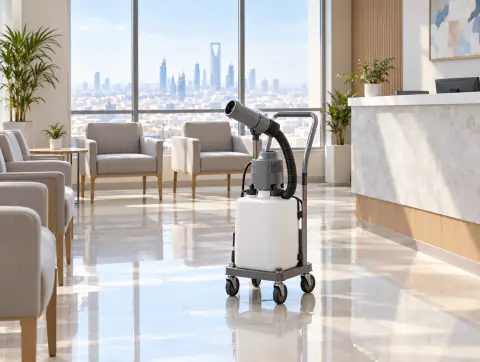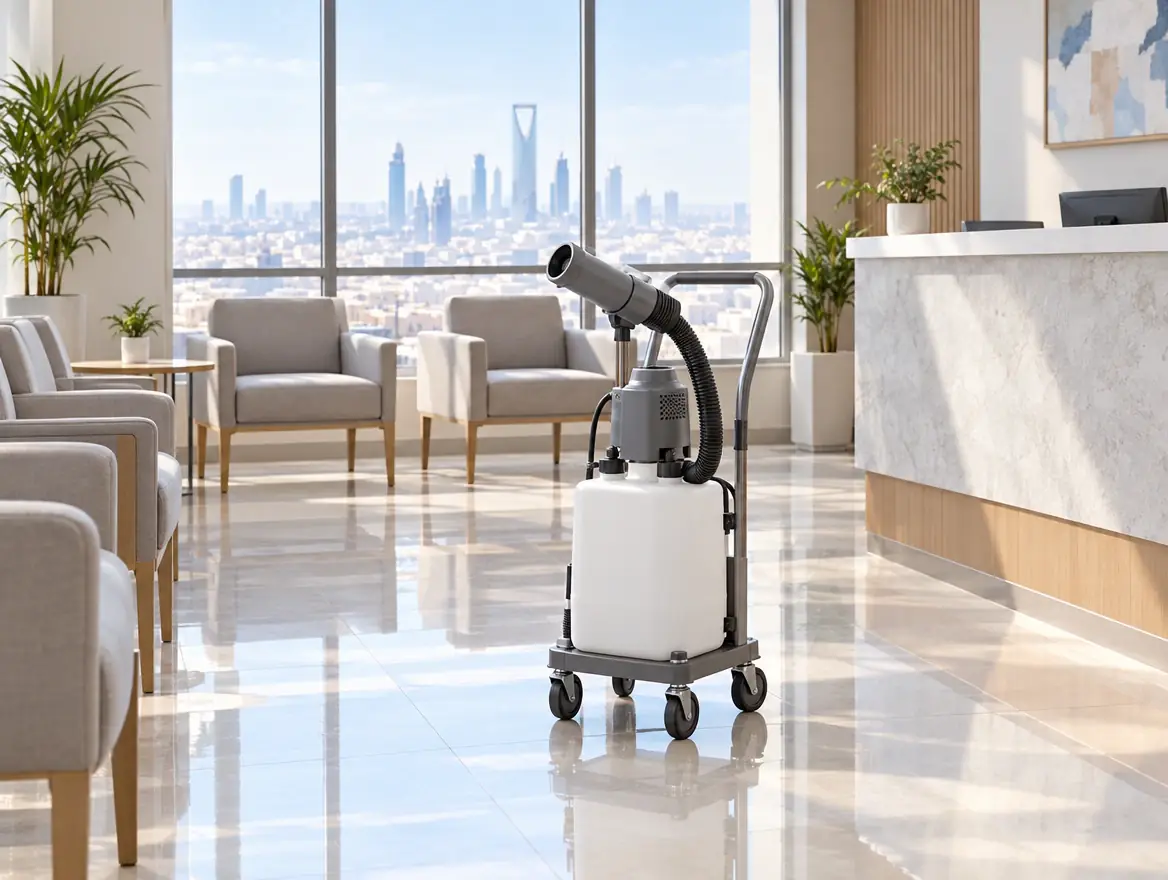
What does clinic sanitizing cover?
The examination table, the armrests of the patient chair, door handles and the touch screen at reception are all surfaces touched by many hands every day. Routine cleaning removes what the eye sees, but fine residue settles into the rubber seams of the examination table, the joints in vinyl flooring and the buttons of devices, and it stays there unless treated as part of a proper clinic sanitizing cycle. The fine dust adds another layer, settling quickly on horizontal surfaces between cleaning sessions.
Call or message us on WhatsApp, tell us the clinic's district, how many rooms it has and what its main surfaces are, and we agree on a time that fits your schedule. Leave the sanitizing to us and return to receiving patients in a properly treated environment.
These are the areas covered in a typical clinic sanitizing job; the details are agreed according to the clinic's specialty, layout and number of rooms.
- Examination table and chair
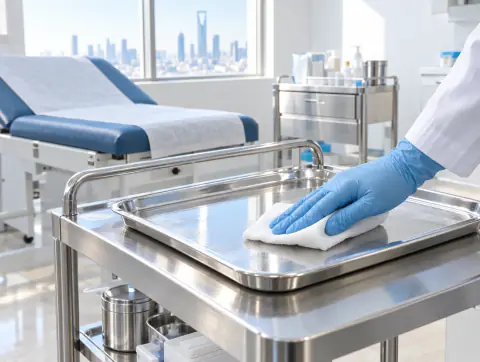
We sanitize the table surface, its rubber seams and the chair armrests, as these are the most frequently touched surfaces and the places where residue collects in the folds.
- Door handles and shared surfaces
Door handles, light switches and window ledges are touched continuously by many hands, and we sanitize all of them because they are the first transfer points in any shared space.
- Reception and waiting area
The reception desk, touch screen and patient waiting seats receive people in varying states of health, and we sanitize their hard surfaces and armrests.
- Examination room floors and corridors
Vinyl and tile floors in examination rooms and corridors trap residue in their joints, and we sanitize the surfaces after cleaning to reach what remains in those joints.
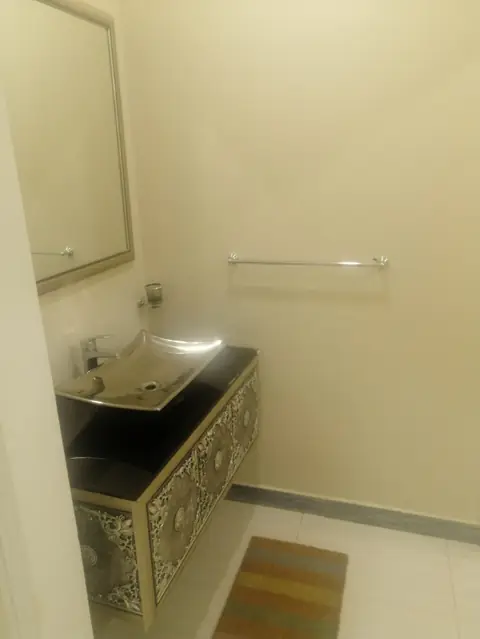
- Bathrooms
Clinic bathrooms are used by many visitors each day, and we sanitize the basins, taps, cubicle doors and horizontal surfaces inside them.
- Room equipment and fittings
The buttons and surfaces of measuring devices, instrument shelves and writing tables are part of the sanitizing, and we agree with you on what the work covers according to your clinic's specialty.
Four steps, and done
- 1
Call or message us on WhatsApp
+966 54 084 3018 - 2
Tell us about your clinic
Tell us the number of rooms, the clinic's specialty, the main surfaces in it, which district it is in, and what you notice or the occasion that calls for sanitizing.
- 3
We agree a time and what to prepare
We choose a time with you that fits your clinic's downtime, and you clear from the surfaces any instruments, files and personal items that could be affected.
- 4
We do the work and you check
We sanitize the agreed surfaces room by room, then you check the door handles, examination table and highest-traffic areas afterwards to confirm the work is complete.
Some of our work
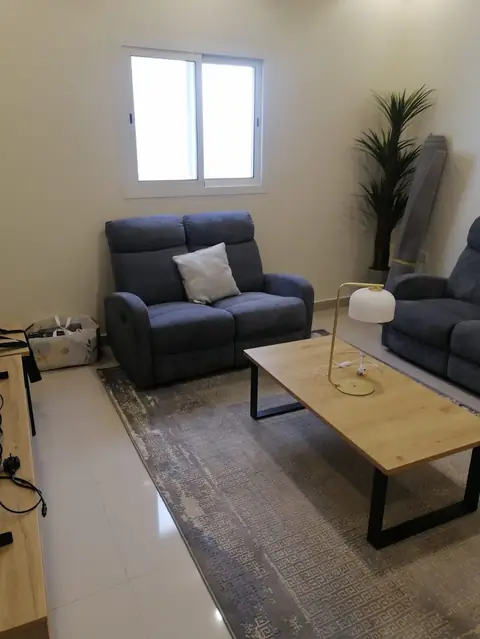
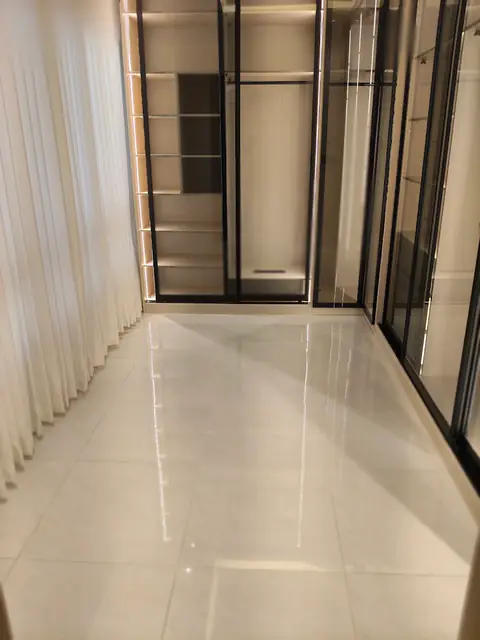
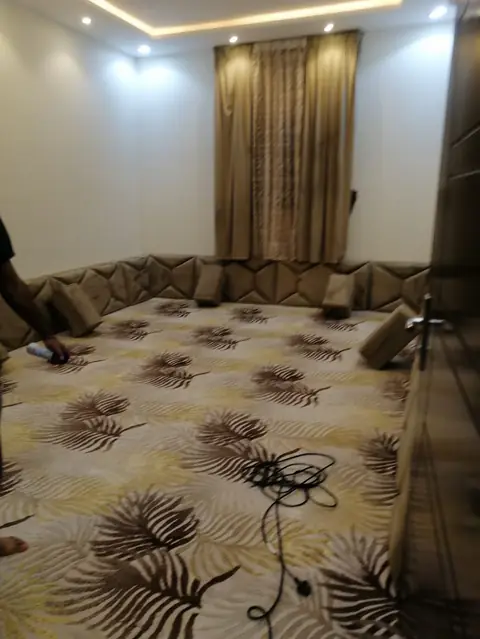
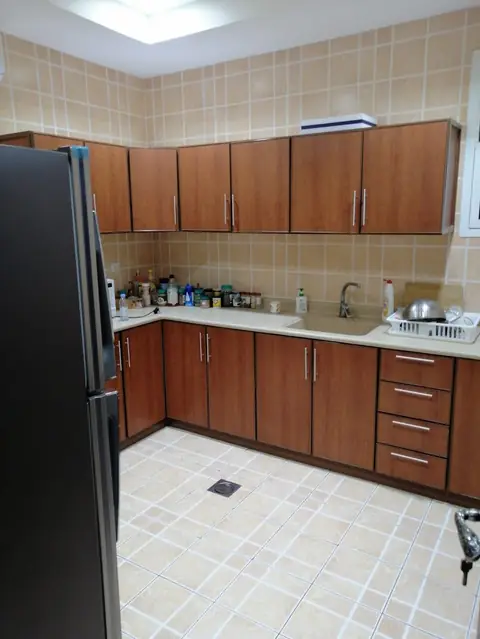
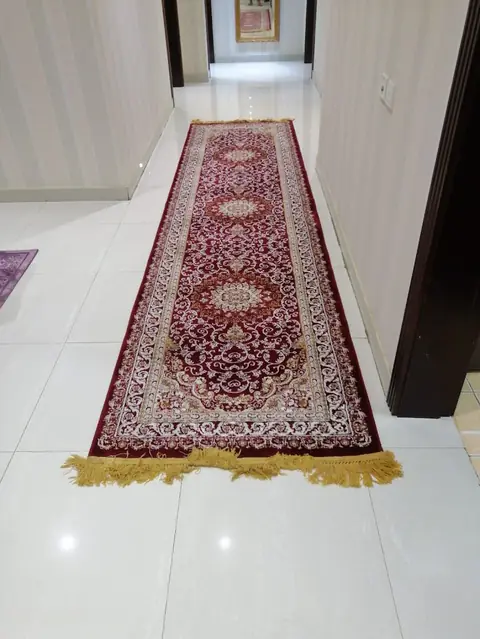
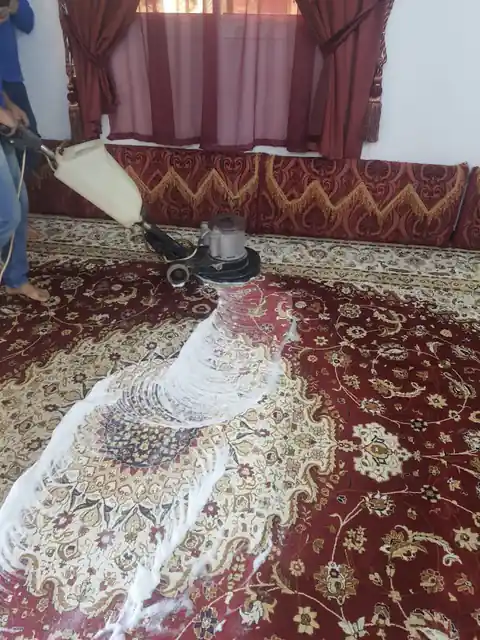
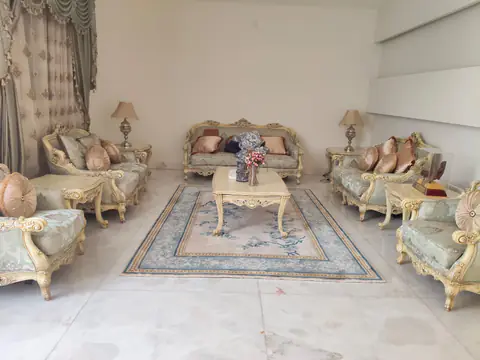
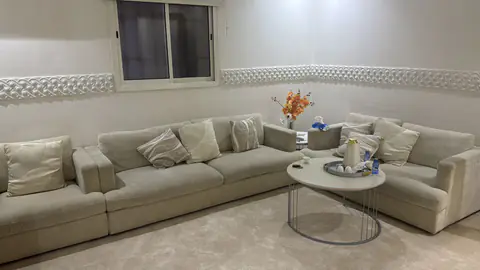
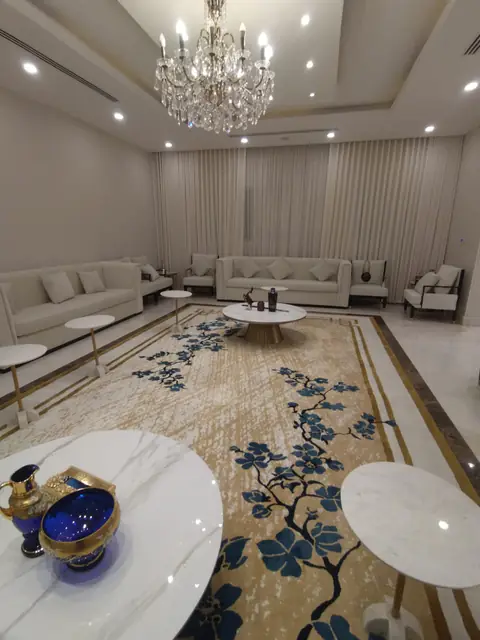
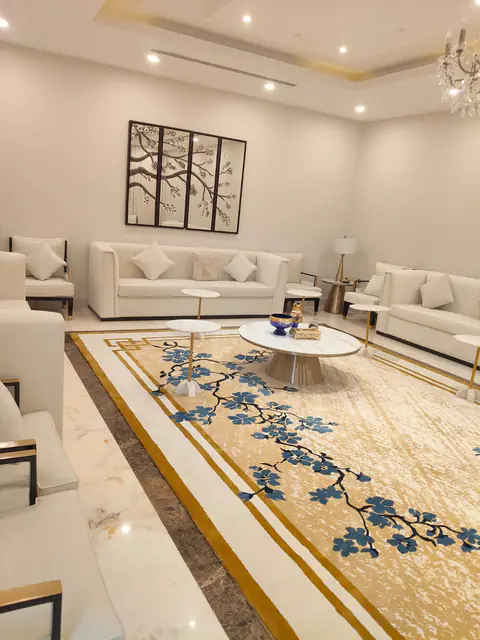
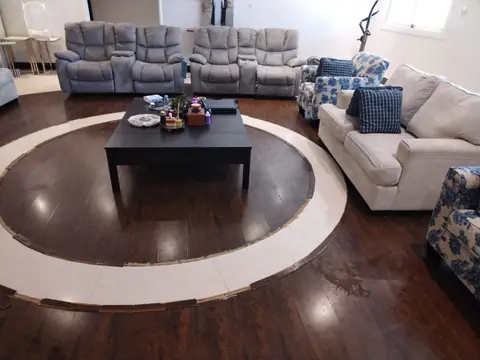
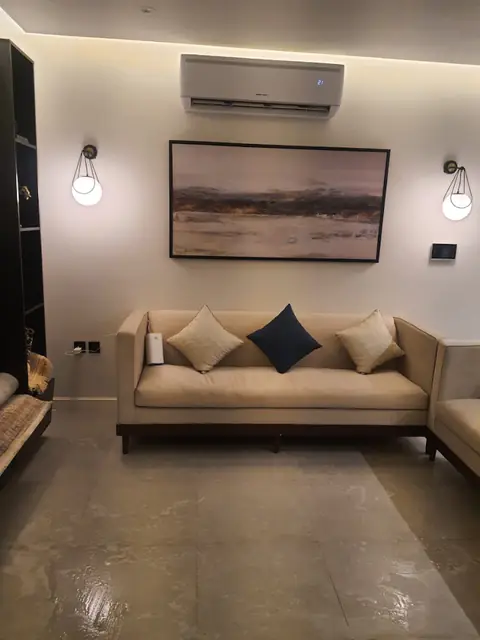
What our customers say
Real Google Maps reviews, word for word.
افضل عمال وتنظيف روووعة يعطيكم العافية
Google Maps يعطيكم العافيه.. شغل ممتاز يستاهلون ٥ نجوم
Google Maps شركة نظافة ممتازة يعطيكم العافيه
Google Maps
Questions about Clinic sanitizing
How do I know my clinic needs sanitizing now?
Some occasions make it clear: the end of a seasonal illness period, seeing a contagious case, or moving to a new premises. In other situations, it is enough that a long time has passed since the last thorough sanitizing that covered all surfaces rather than just mopping the floors.
What should I prepare before the team arrives to sanitize the clinic?
Clear fine instruments, paper files and personal items from the examination table, shelves and desk. Let us know in advance if any device cannot tolerate moisture or if any surface has a special coating, so we can handle it the right way.
What should I expect after clinic sanitizing and what do I check?
Surfaces will look dry and clean once done. Check door handles, the examination table, the patient chair and the waiting areas, and confirm drains in the bathrooms are clear. If you notice a surface that was missed, let us know straight away.
What changes the scope of clinic sanitizing from one place to another?
The clinic's specialty directly affects the number and type of critical surfaces: a dental clinic has a treatment chair with joints and rests that differ from a general practice. The number of rooms, the size of the waiting area, the type of flooring and whether there are storage or preparation rooms also play a part. We discuss all of this with you when you call.
My clinic has devices I cannot get wet, how do those get handled?
Moisture-sensitive devices such as electronic measuring equipment are sanitized in a way that suits their surfaces without exposing them to liquids. That is why we ask when you call about the devices in each room, and we agree on which surfaces are in scope and which to leave out.
More services under Disinfection & sanitization