What does garden cleaning cover?
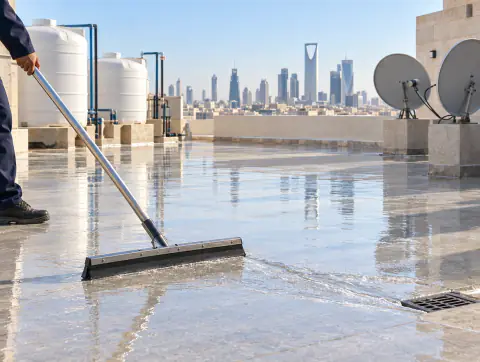
A garden collects fine dust and sand carried by seasonal winds, along with dry leaves and grit that settle into corners, drain openings and the surface of paved paths. Over time these layers harden into deposits that sweeping alone does not shift.
We start by hearing what you notice in your garden, then we clean the paving, paths, boundary walls, planter edges and drain openings. Call or message us on WhatsApp, tell us your district and roughly how large the garden is, and we agree a time.
These are the parts the cleaning goes through in your garden, depending on its condition and what you notice in it.
- Path and floor paving
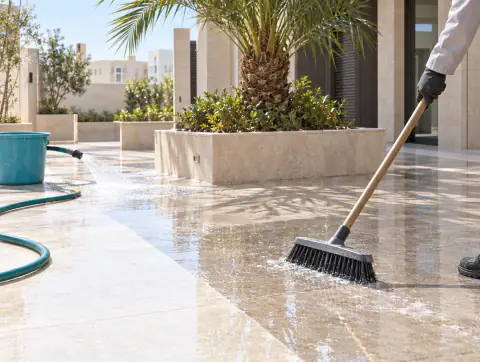
Sand and hard deposits gather between the joints and on the surface of paving stones, and we clean them in a way that suits the tile type so the floor is clear and comfortable to walk on again.
- Drain openings
Drain openings block with compressed leaves and grit, and when they block, water pools after every watering or rain. We clear the blockage so water flows freely again.
- Planters and their edges
Dirt and algae build up on the outer walls and edges of planters, and we clean these surfaces without disturbing the soil or plants inside.
- Boundary walls
Fine dust and algae settle on the face and top of boundary walls over time, and we clean these surfaces in a way that suits the material, whether block, brick or render.
- Corners and floor edges
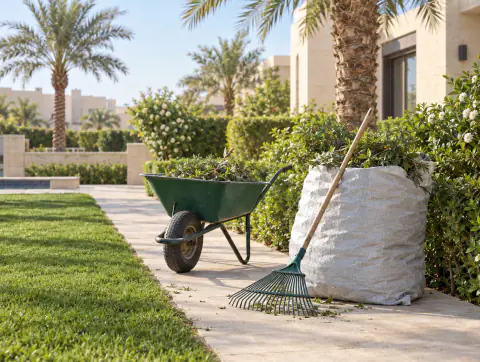
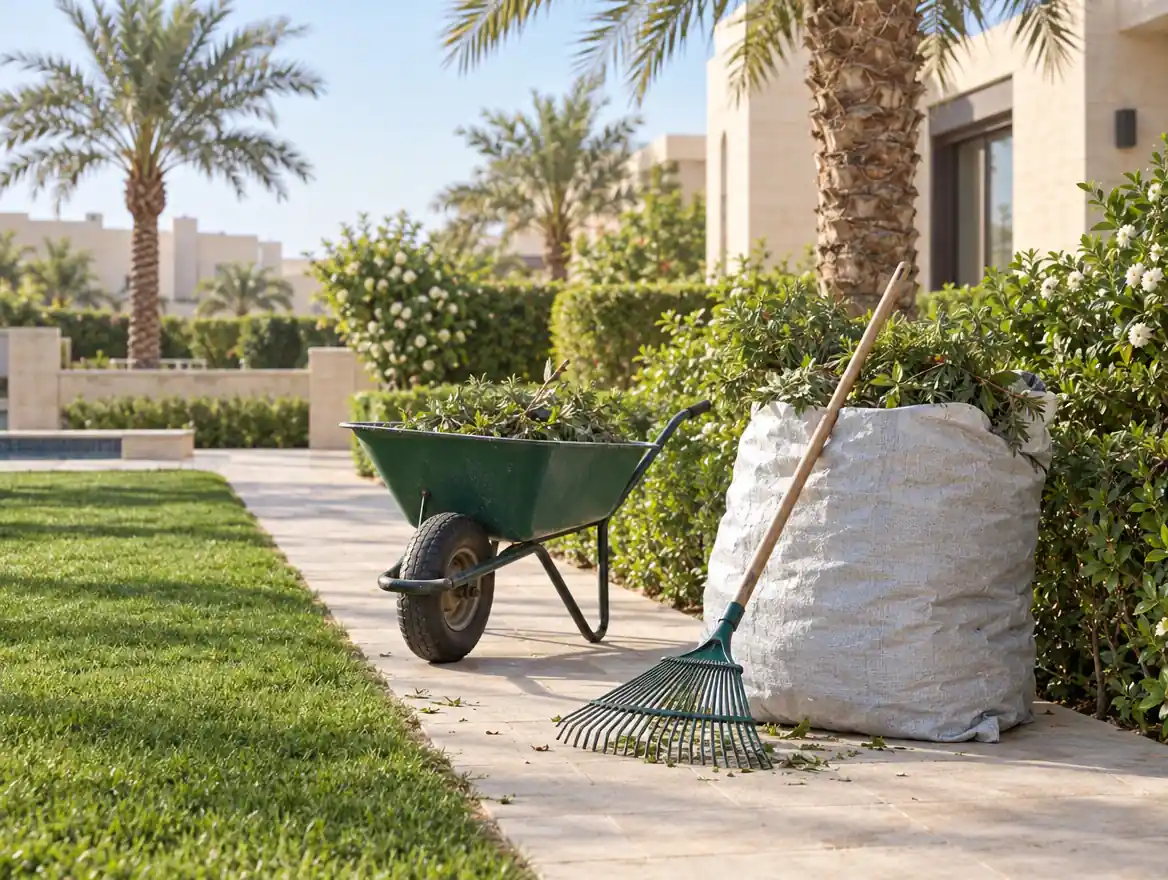
Dry leaves and deposits collect in corners and along wall edges where regular sweeping does not reach, and these are the first thing you notice when you sit in the garden.
- Stone and decorative surfaces
gardens often have natural stone and decorative surfaces that need cleaning suited to the porosity of the material so they are not damaged by water or over-scrubbing.
Four steps, and done
- 1
Call or message us on WhatsApp
+966 54 084 3018 - 2
Tell us what you notice
Tell us what the paving is made of and what you notice, whether hard deposits or leaves and debris, which district you are in, and roughly how large the garden is.
- 3
We agree a time
We settle on a time that suits you, and you move light furniture, pots and tools out of the way before we arrive so we can reach all the surfaces easily.
- 4
We start the work
We clean the paving, drains, walls and corners, then you look over the garden to check that the joints are clear and water drains freely before we leave.
Some of our work
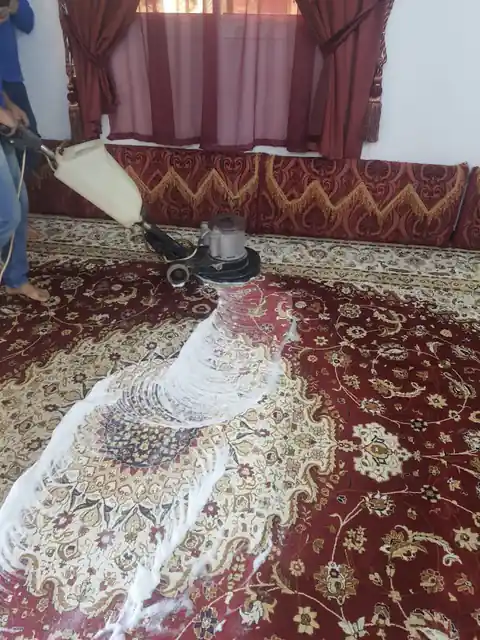


What our customers say
Real Google Maps reviews, word for word.
صراحة ممتازين جدا ويهتمون بأدق التفاصيل .. وجدا متعاونين الله يباركلهم .. من أفضل الشركات اللي تعاملت معاها
Google Maps افضل عمال وتنظيف روووعة يعطيكم العافية
Google Maps يعطيكم العافيه.. شغل ممتاز يستاهلون ٥ نجوم
Google Maps
Questions about Garden cleaning
My garden has been neglected for a long time; does that change the job?
Yes, a garden left for a long time has harder deposits and thick compressed layers of dry leaves that can block drains completely. When you call, tell us when it was last cleaned and what you notice, and we will agree on what suits its condition.
What should I prepare in the garden before you arrive?
Move light furniture, pots and tools out of the main work areas, and collect any large dry leaves you can. If there are plants close to the drains or walls to be cleaned, let us know beforehand.
My garden has natural stone paving; can it take washing?
Natural stone is more porous than pressed tile and absorbs water faster, so the cleaning approach is different from hard tile. Tell us the type of stone when you call and we will agree on the right method for its condition.
Green patches appear on my planter edges after every watering; what causes them?
The green patches are algae that grow on porous surfaces such as concrete and stone when they are regularly wet and exposed to sun. The summer heat speeds their growth. Removing them is part of cleaning the planters and their edges.
What should I check in the garden after the cleaning is done?
Check the drain openings and confirm water flows through them freely, then look at the joints between the paving tiles and check they are clear of compacted sand, and inspect the corners of walls and planters where deposits were heaviest.
More services under Gardens, yards & rooftops