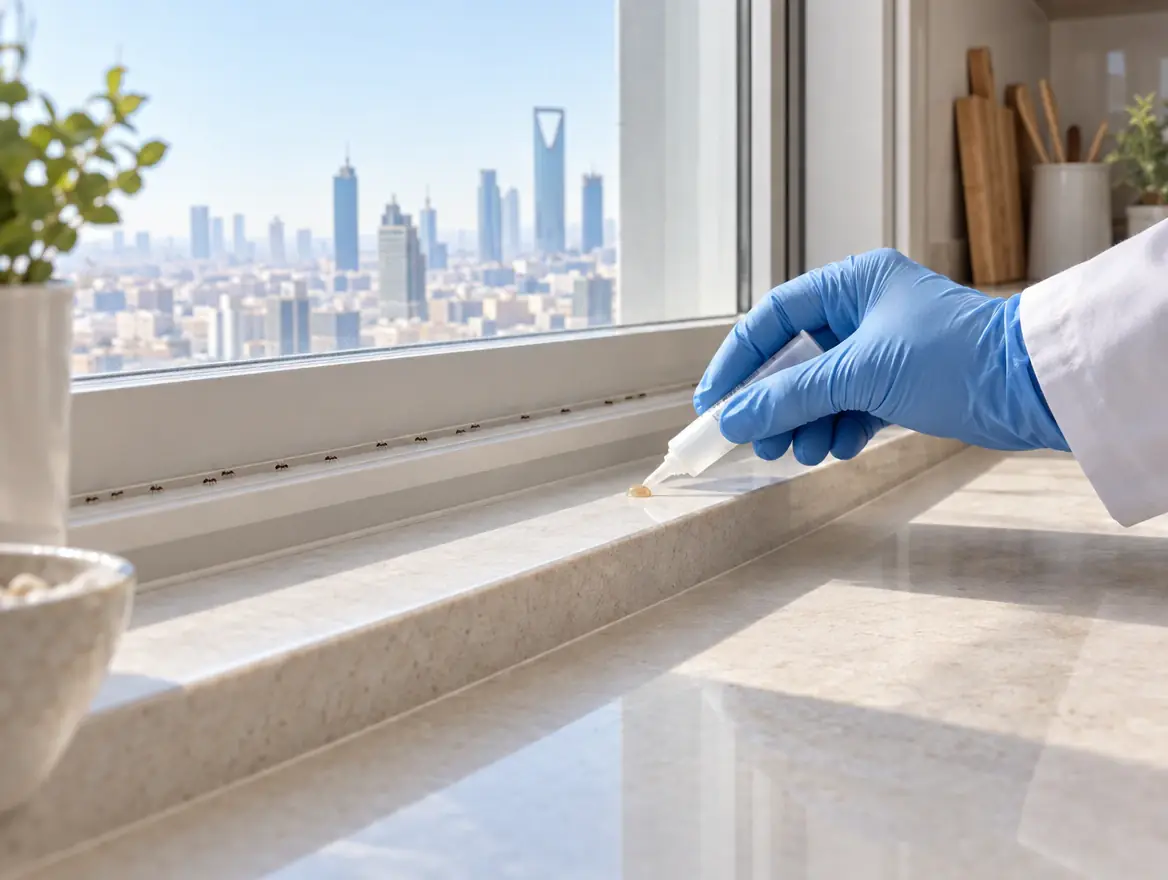
What does black-ant control cover?
Black ants follow fixed trails between their nest and a food source. The nest may be inside a hollow wall, in floor cracks, between paving tiles in the garden, or in more than one spot at the same time. Spraying the trail alone does not stop the movement, because the colony stays where it is and keeps sending workers out.
We start with what you tell us about where the ants appear and when, then we trace the trails back to their sources and treat the gathering points. Call or message us on WhatsApp, tell us your district and where you are seeing the ants, and we agree a time with you.
These are the areas and steps the treatment covers, depending on where the ants appear and the nature of the building.
- Tracing the trails
We follow the ants' paths along walls and floors back to their entry point or nest, because treating the trail without reaching the source does not resolve the problem.
- Cracks and wall cavities
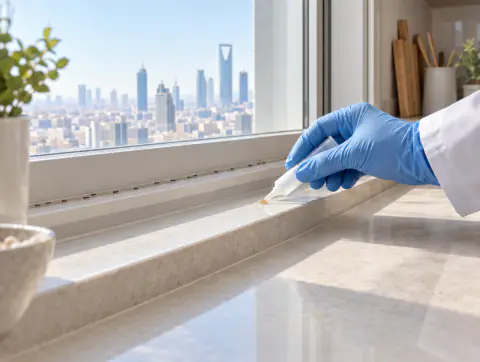
Hollow walls and cracks in plaster are often where black ants nest inside buildings, and we treat them directly when we reach them.
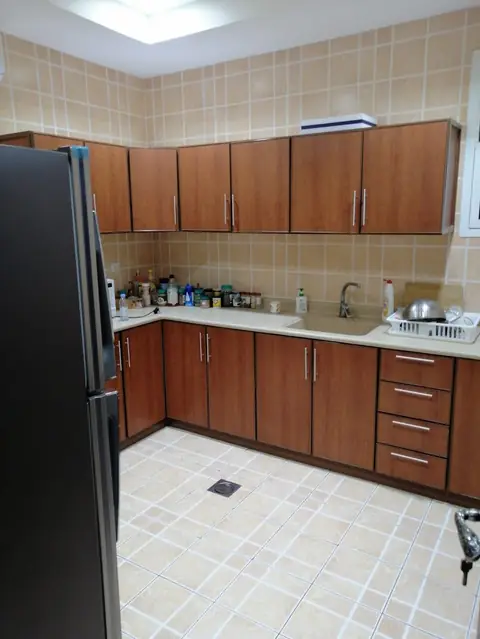
- Kitchen and cabinets
The kitchen draws black ants to food residue and moisture, so we focus on cabinet bases, the floors behind them and the surfaces near water sources.
- Floors and tiling
Gaps between floor tiles or along room edges are common ant routes buildings, and we treat them to cut off the movement path.
- Garden and building perimeter
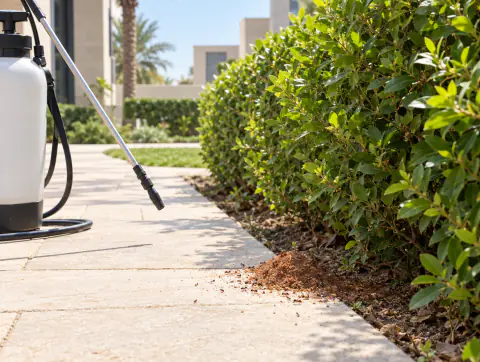
When ants appear in the garden or near the outer walls of the building, we trace the gatherings in the soil, between stones and paving, and along the edges.
- Entry points into the building
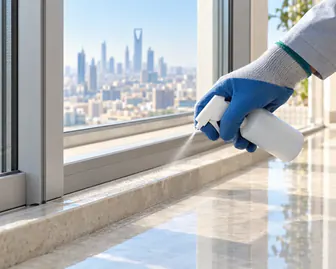
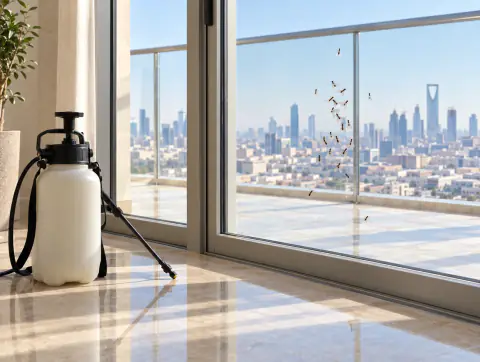
We check where ants enter from outside, such as pipe openings and door and window frames, and treat them to reduce re-entry.
Four steps, and done
- 1
Call or message us on WhatsApp
+966 54 084 3018 - 2
Tell us what you notice
Tell us where the black-ant trails appear, whether inside the home, in the garden or both, and which district you are in.
- 3
We agree a time and you prepare
We settle on a time that suits you, and you clear lower kitchen cabinets, move uncovered food and pet bowls away from the areas we will treat.
- 4
We carry out the treatment
We trace the trails, treat the gathering points, cracks and entry spots, then tell you what to check in the following days to see how the treatment is working.
Some of our work
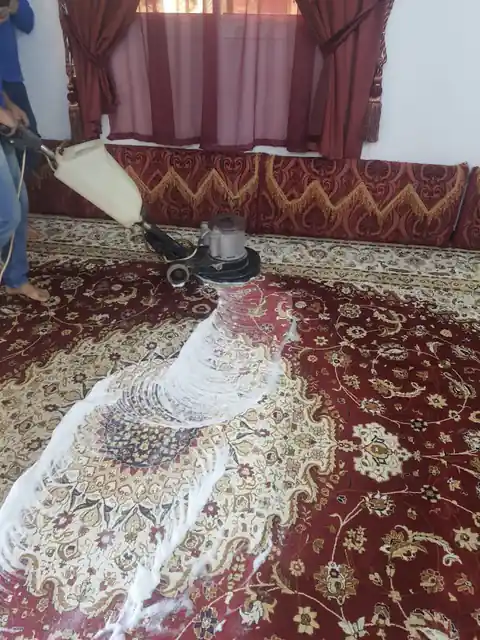
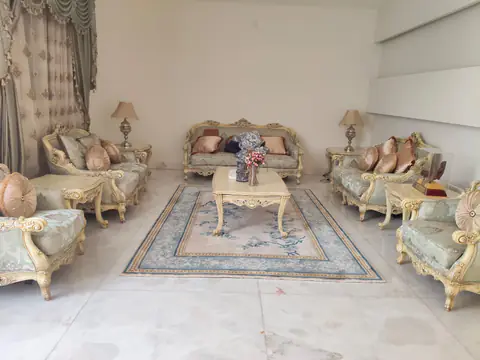
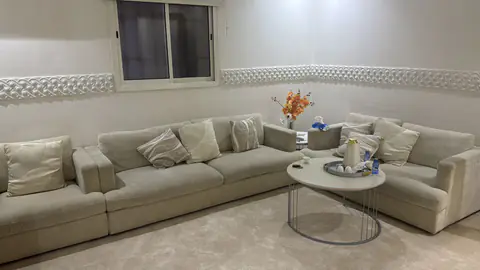
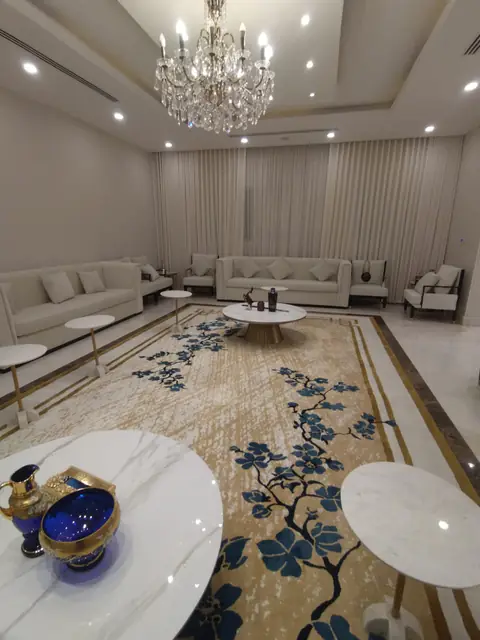
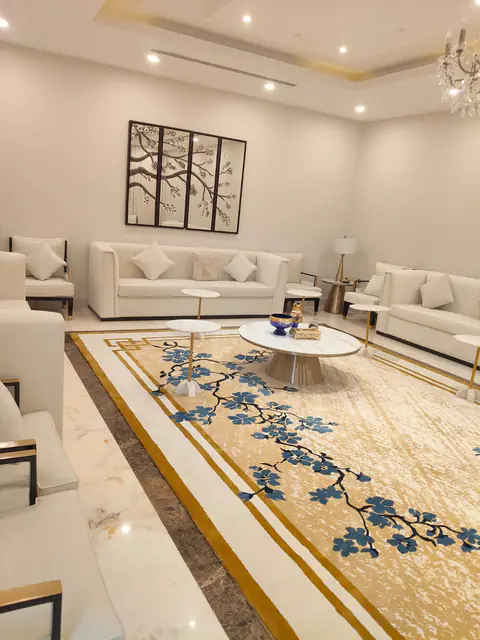
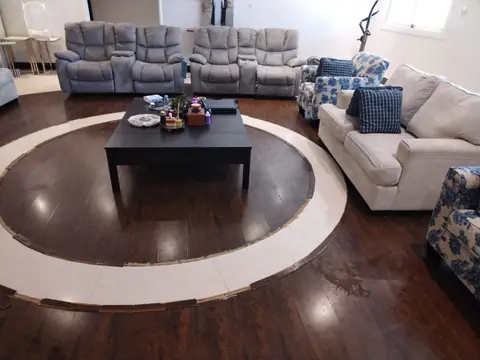
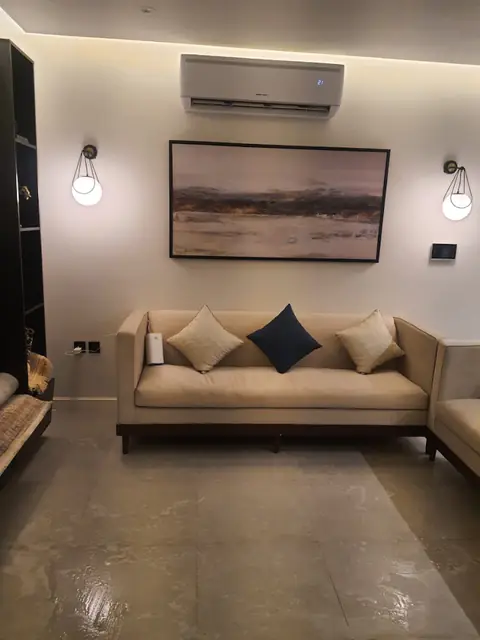
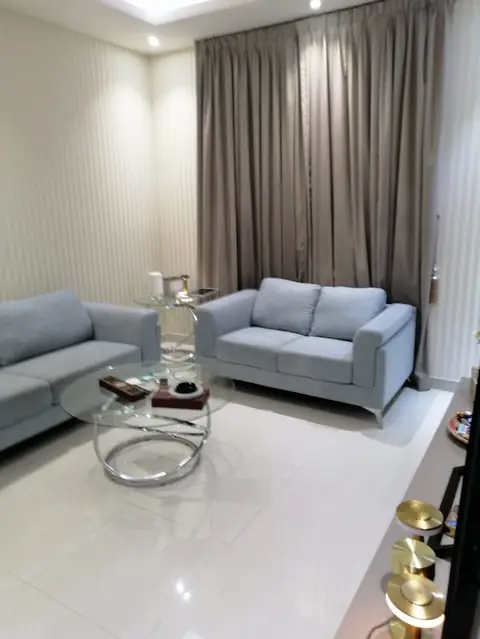
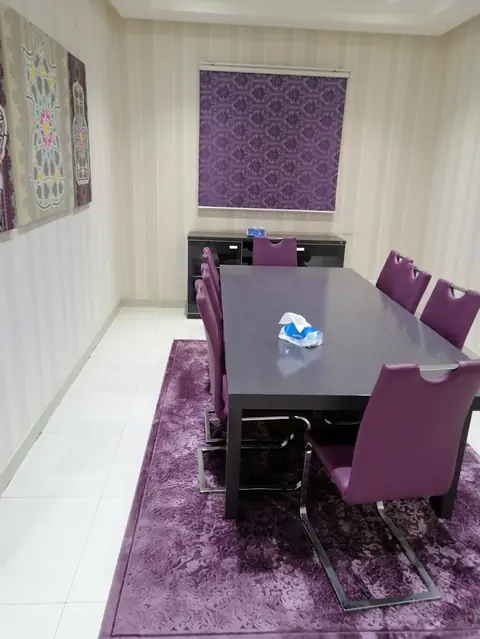
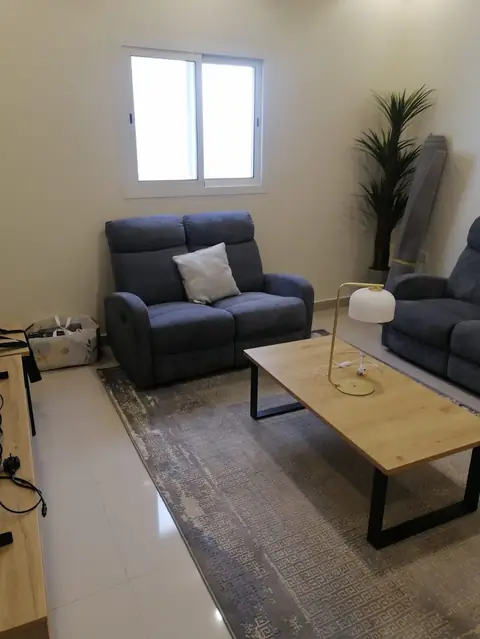
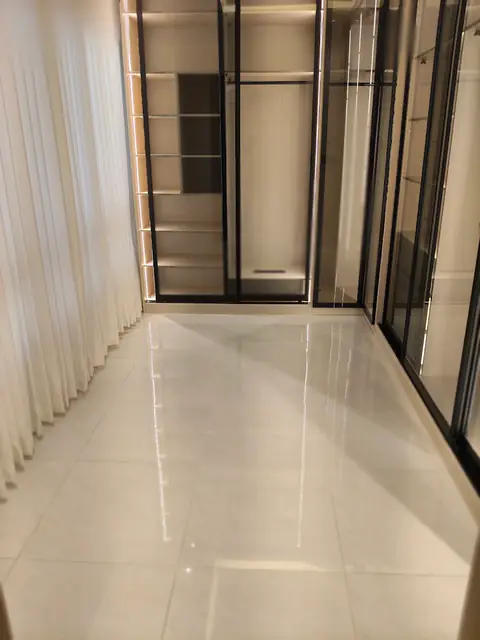
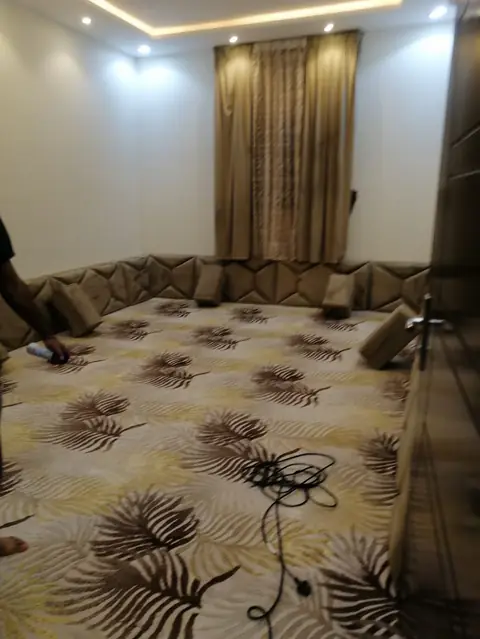
What our customers say
Real Google Maps reviews, word for word.
صراحة ممتازين جدا ويهتمون بأدق التفاصيل .. وجدا متعاونين الله يباركلهم .. من أفضل الشركات اللي تعاملت معاها
Google Maps افضل عمال وتنظيف روووعة يعطيكم العافية
Google Maps يعطيكم العافيه.. شغل ممتاز يستاهلون ٥ نجوم
Google Maps
Questions about Black-ant control
How do I know black ants are nesting inside my walls?
A sign is a regular line of ants coming out of a wall crack, around a door frame or from under a tile with no obvious outdoor source. Hollow walls in both old and new buildings make a suitable nesting space, especially in spots that stay warm or slightly damp.
Black ants are only in my garden so far, do they need treating?
Ants in the garden do not always mean they will enter the building, but colonies close to the outer walls or pipe openings tend to find a way inside over time. Telling us where the gathering is and how close it is to the building helps us decide what suits your situation when you call.
Do I need to empty all kitchen cabinets before treatment?
The lower cabinets and those near the trails you noticed are enough. Move uncovered food, pet bowls and anything under the sink away from the treatment areas, and tell us about your kitchen layout when you call so we can guide you more precisely.
What should I check after the treatment?
In the following days, notice whether movement has dropped on the trails that were active, and whether gatherings around attractants like kitchen surfaces have gone. We will tell you specifically what to expect based on the spots we treated.
Black ants disappear then come back every summer, will treating them help?
Black ants become more active in heat, and the summer temperatures drive them to search for food and moisture inside buildings. If the colony near the building was never treated at its source, activity returns each season. Treating the nesting spots and entry points breaks that cycle.
More services under Ant control