What does flying-ant control cover?
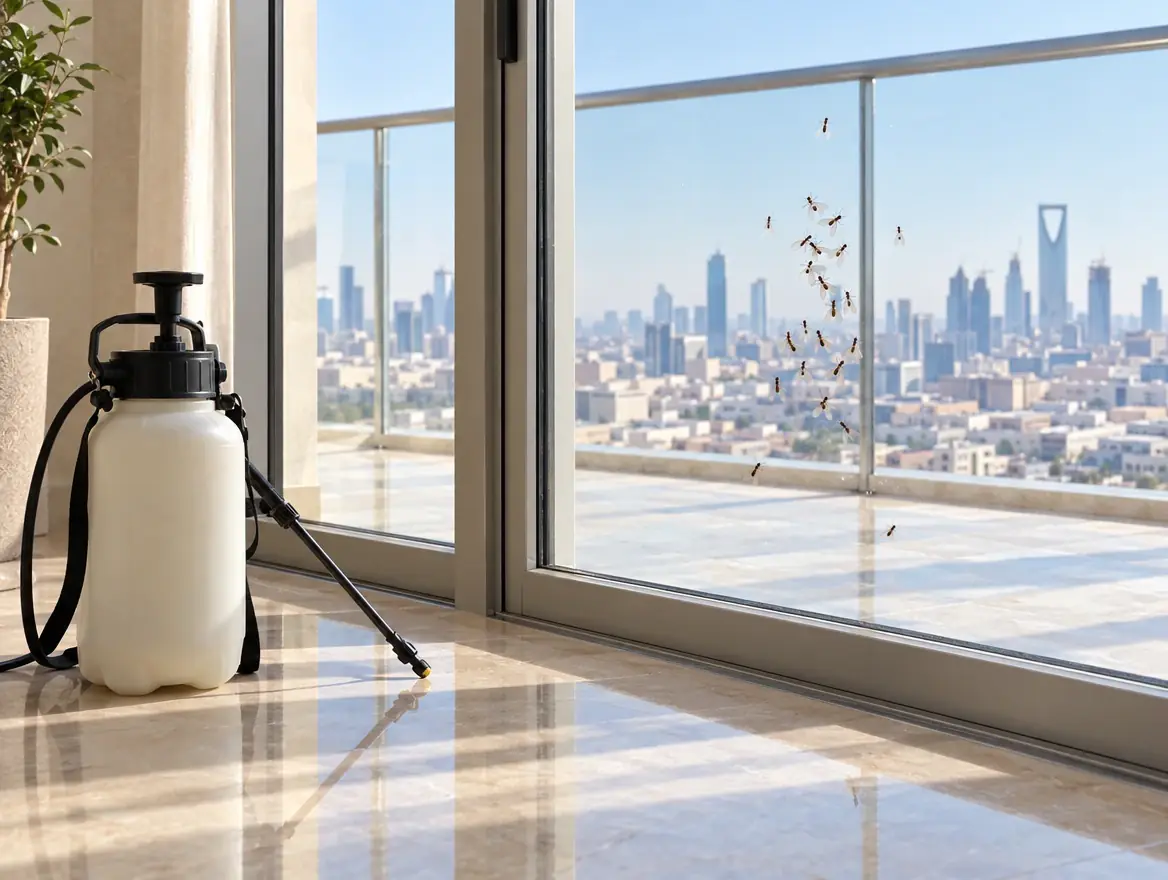
Flying ants are ordinary ants in their reproductive stage, when workers grow wings to found new colonies. This stage tends to arrive at the end of summer and the start of autumn, when humidity rises slightly, and swarms emerge from cracks, wall voids and window timber heading towards light. Seeing a swarm indoors means the colony is inside the building.
Call us or message us on WhatsApp. Tell us your district and exactly where you saw the swarm, whether near a window, a wall crack, the ceiling or the garden, and we agree a time that suits you.
These are the spots and parts the inspection and treatment go through, depending on where the swarm appeared and the condition of the building.
- Where the swarm appeared
We start at the spot where you saw the winged ants, whether near a window, a vent or a door, because that guides us towards the colony.
- Cracks and wall voids
Flying ants emerge from wall voids or cracks in plaster and tile grouting, and we inspect these spots to find the exit points and treat them.
- Window and door timber
Ant colonies sometimes form inside timber frames that have taken in moisture, and wings appearing near them signal activity inside the wood.
- Ceiling and floor cavities
In older buildings or those with false ceilings, colonies settle in internal voids and reveal themselves through swarms from small openings.
- Exterior entrances and openings
We check building entrances and gaps in exterior walls, since flying ants use any opening to move indoors before they take flight.
- Garden and building perimeter
Some colonies build in soil near the foundation or under paving and send their swarms inside through cracks, so the inspection covers these areas too.
Four steps, and done
- 1
Call or message us on WhatsApp
+966 54 084 3018 - 2
Tell us what you saw
Tell us exactly where the swarm appeared, which room or near which surface, whether you saw shed wings on the floor, and which district you are in.
- 3
We agree a time and you prepare
We settle on a time that suits you. It helps to move uncovered food and cookware away from the spots you named, and to leave clear access to the windows and walls you mentioned.
- 4
Inspection, treatment and check
We inspect where the swarm appeared, the cracks and the surrounding surfaces, treat the exit points and the colony where we find it, then check with you that movement has stopped.
Some of our work

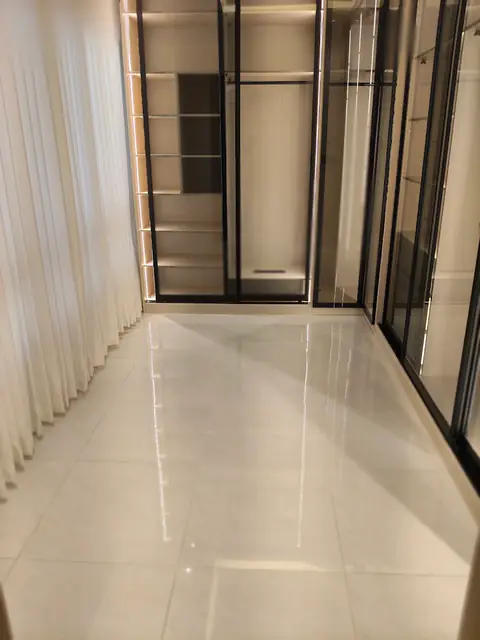
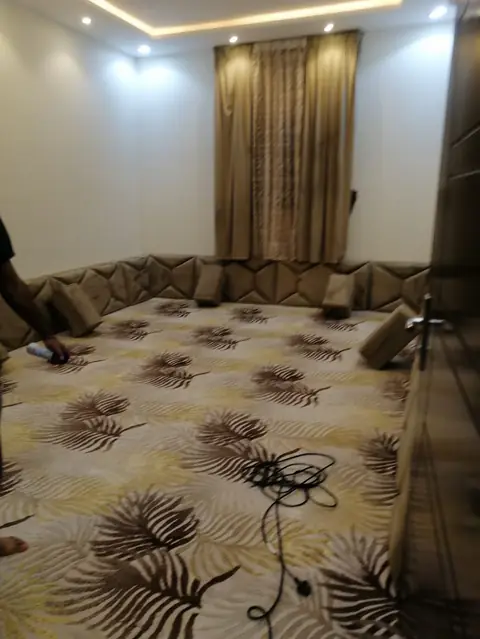
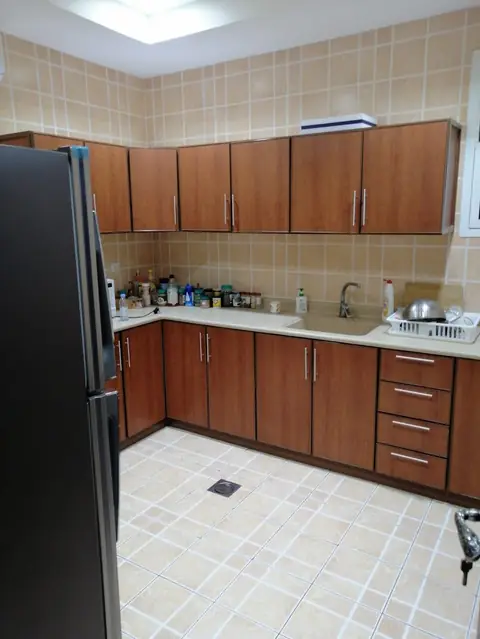
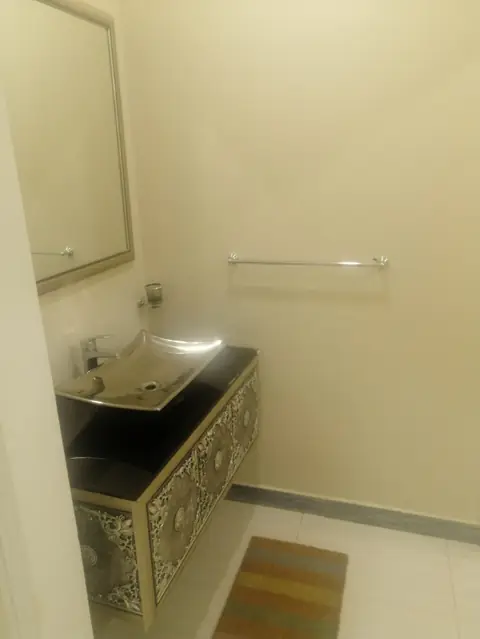
What our customers say
Real Google Maps reviews, word for word.
يعطيكم العافيه.. شغل ممتاز يستاهلون ٥ نجوم
Google Maps شركة نظافة ممتازة يعطيكم العافيه
Google Maps افضل عمال وتنظيف روووعة يعطيكم العافية
Google Maps
Questions about Flying-ant control
How do I know what I saw was flying ants and not something else?
Flying ants have a narrow waist between abdomen and thorax, front wings longer than the back wings, and elbowed antennae. They often shed their wings on the floor or window ledges after flying, so shed wings at specific spots are among the clearest signs.
The wings appear for one season then stop, should I wait or treat?
The swarms stopping means only that the reproductive stage has ended, not that the colony is gone. The colony stays and releases a new swarm next season. Treatment targets the colony itself, not the visible swarm, so the right time to act is when you notice the activity.
I found shed wings but no walking ants, is the problem over?
Shed wings show the swarm passed through this spot but do not tell you where the colony is. Ants drop their wings on landing to search for a nesting site, which may be inside a nearby wall. An inspection determines whether activity is still ongoing.
What should I prepare at home before the treatment?
Move uncovered food and cooking equipment away from the areas to be treated, and leave clear access to the walls and windows you mentioned when you called. If swarms appeared in a room with heavy furniture, tell us in advance so we can prepare for access.
The flying ants appeared on the upper floor not the ground floor, where are they coming from?
A swarm on the upper floor usually points to a colony in ceiling voids, internal wall cavities on that floor, or in window-frame timber. Dust and summer heat dry out plaster and widen cracks through which colonies enter, and we start the inspection from where you saw the wings.
More services under Ant control