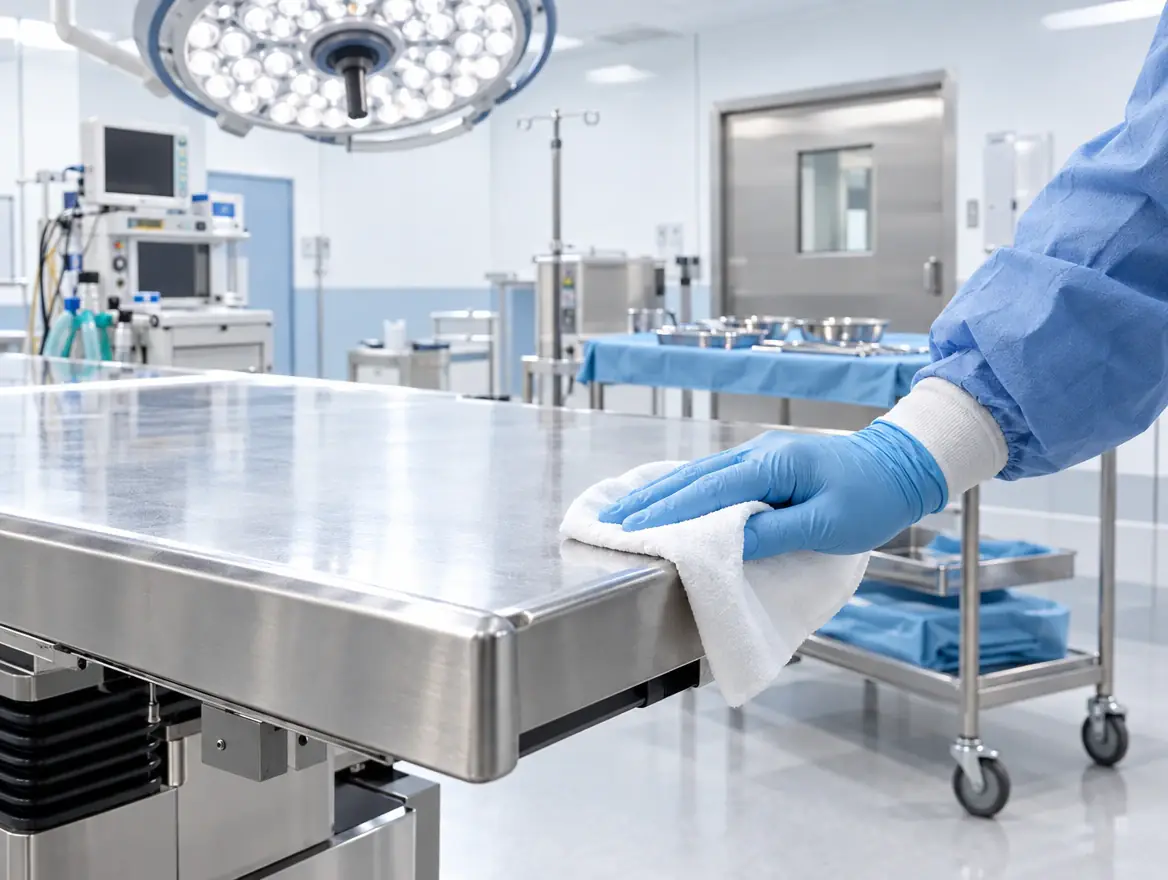
What does operating-theatre sanitizing cover?
An operating theatre brings together stainless steel, high-gloss tiles, glass and rubber in one room, and every joint between one surface and another is a place where contaminants build up if it is overlooked. The fine dust carried by the winds finds its way into air channels and closed corners, which is what makes sanitizing in this environment a job with its own particular order.
Call or message us on WhatsApp, tell us the location of the facility and the district, describe the theatre and its size and the spaces that connect to it, and we agree a time that fits the facility's schedule and the theatre's usage pattern.
These are the parts the sanitizing goes through in an operating theatre, depending on the room's design and what its fixtures include.
- Hard surfaces and walls
We sanitize the floor, walls and ceiling including high-gloss tiles and metal panels, because particles settle on these surfaces and gather at the edges of fittings.
- Surface joints and corners
We give particular attention to the joints between floor and wall and between wall and ceiling, since these are the most overlooked spots and where contaminants collect out of reach of a standard wipe.
- Stainless-steel fixtures
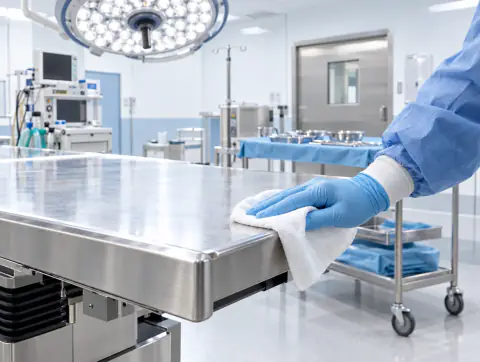
We sanitize the surfaces of surgical tables, equipment stands and stainless-steel door handles, which need careful cleaning that preserves the properties of the steel surface.
- Surgical lighting
We wipe the arms, face and frame of the surgical light, as these are touched during adjustment and collect particles from the air moving inside the room.
- Air channels and vents
We clean the ventilation vents, their grilles and the visible sides of air channels, since the fine dust carries particles that settle inside these openings and return when the system runs.
- Connecting entrances and corridors
We include the doors, their frames and the connecting corridor that opens into the room, because contaminants travel with movement from these areas and not only from inside the room itself.
Four steps, and done
- 1
Call or message us on WhatsApp
+966 54 084 3018 - 2
Describe the theatre to us
Tell us the size of the room, what fixtures it contains, the facility's location and district, and any part you think needs particular attention.
- 3
We agree a time and you prepare
We settle on a time that suits the theatre's schedule. Clear the room of consumables and movable instruments, and tell us if there are fixed fittings that need special care.
- 4
We do the work and you check
We sanitize the surfaces, joints, fixtures and air channels in order. After we finish, check the joints, corners and ventilation openings to confirm the sanitizing reached them.
Some of our work
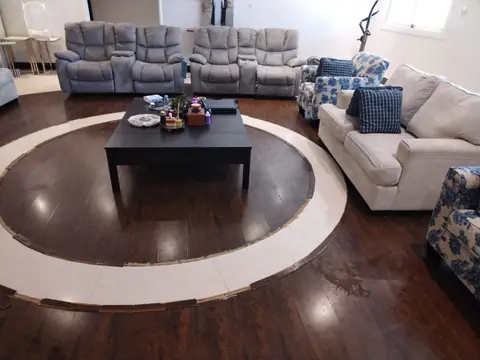
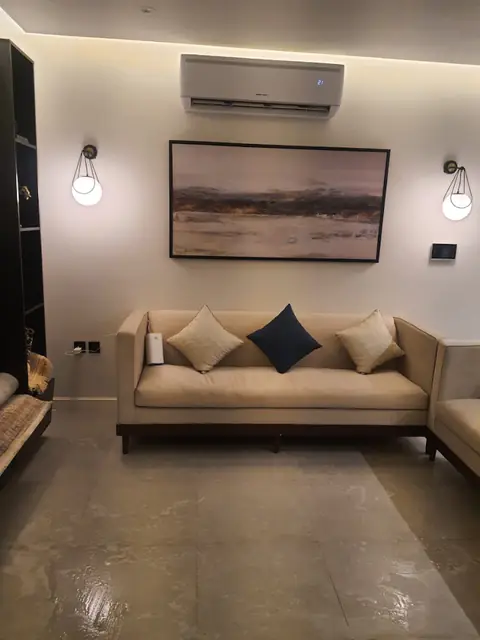
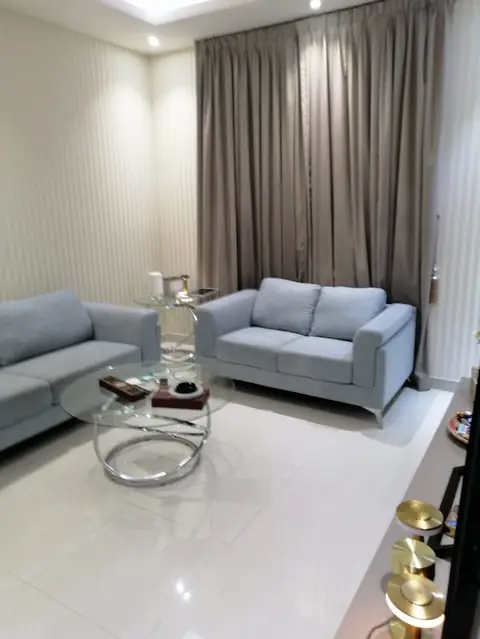
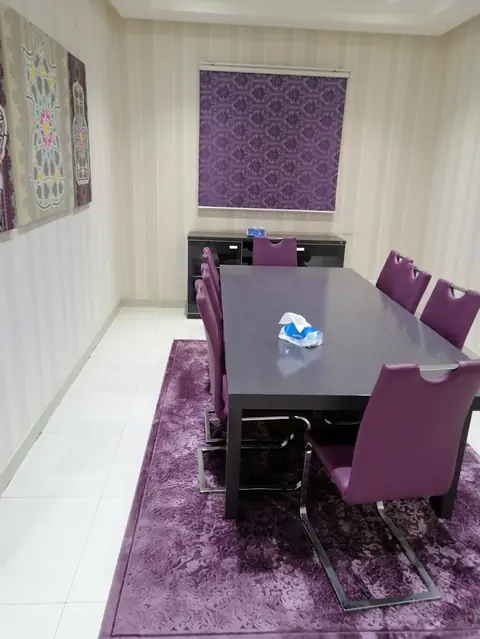
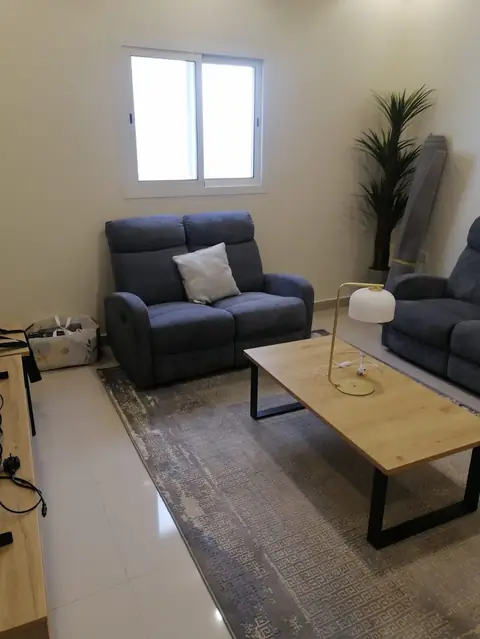
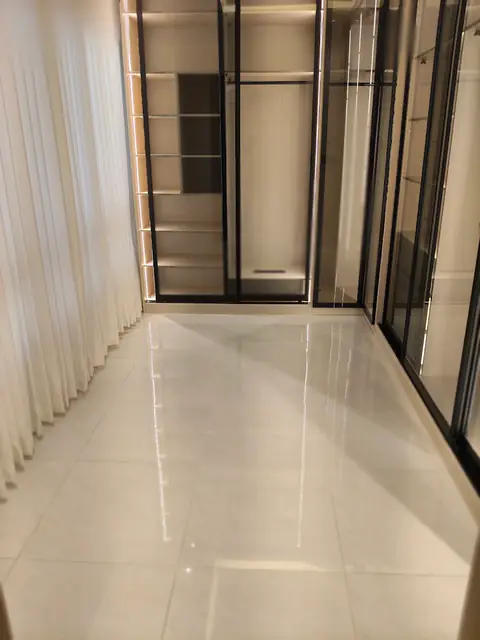
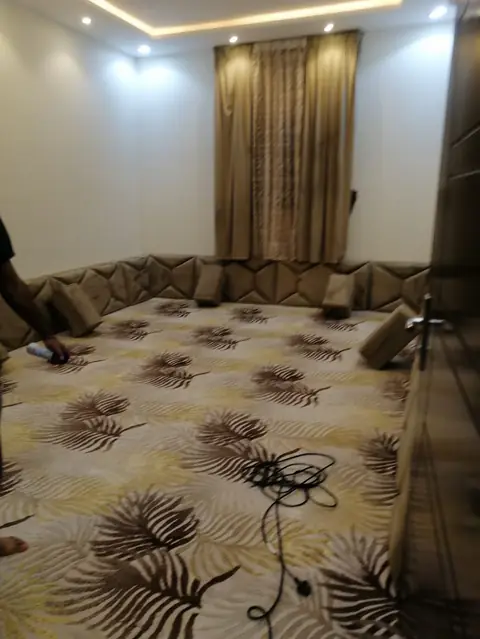
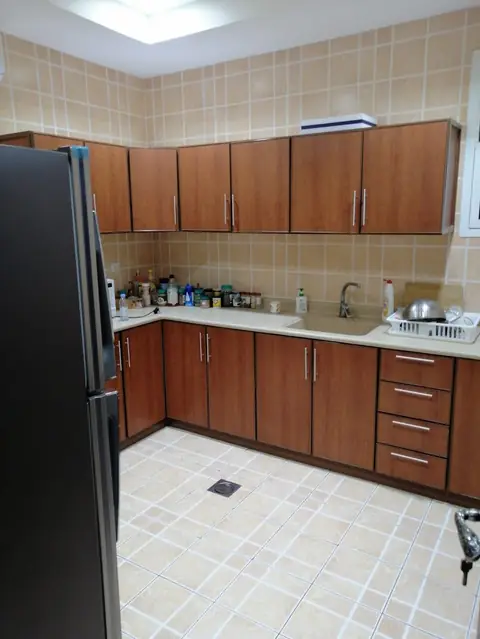
What our customers say
Real Google Maps reviews, word for word.
صراحة ممتازين جدا ويهتمون بأدق التفاصيل .. وجدا متعاونين الله يباركلهم .. من أفضل الشركات اللي تعاملت معاها
Google Maps شركة نظافة ممتازة يعطيكم العافيه
Google Maps يعطيكم العافيه.. شغل ممتاز يستاهلون ٥ نجوم
Google Maps
Questions about Operating-theatre sanitizing
How do I know the operating theatre needs sanitizing now and not later?
An operating theatre needs sanitizing at regular intervals according to the number and type of procedures carried out in it, not only when a visible sign appears. Particles build up in joints, switches and air vents even when the large surfaces look clean, and your call to us starts with describing the current state of the room and how it is used.
What should I prepare before the team arrives to sanitize the operating theatre?
Clear the room of movable instruments and consumables that are not part of this session's sanitizing. Tell us in advance about fixed fittings that cannot be moved and any surface or material that needs special care, so we can start without interruption.
What do I check after operating-theatre sanitizing is finished?
Check the joints between floor and wall and wall and ceiling, the ventilation openings and their grilles, the door handles and the arms of the surgical light. These are among the most overlooked parts and they are what shows whether the sanitizing reached the fine corners of the room.
What changes the scope of operating-theatre sanitizing from one facility to another?
The size of the room, the number of fixed fixtures, the design of the air channels and the age of the finishes all affect the scope of work. Older rooms have more worn joints and need more precise attention, and rooms with many openings take longer at the air channels. All the details are agreed when you call and describe the room to us.
The operating table is stainless steel, is it treated like the other surfaces?
No. Stainless steel is non-porous but develops fine scratches with use where contaminants collect, and it needs handling that preserves the surface properties. We ask you when you call about the fixed fixtures in the room so we can account for that when agreeing the details of the work.
More services under Disinfection & sanitization