What does restaurant sanitizing cover?
A commercial kitchen runs at high heat, and what builds up on the extractor mesh above stoves, along the sides of cooking appliances and on chopping surfaces is not ordinary dust: it is layers of animal fat and burnt starch. In the heat, those layers soak into the pores of steel, aluminium and tile and become the source of odours that linger even after every daily clean.
Call or message us on WhatsApp, tell us your restaurant's district, its type and the size of the kitchen and dining area, and we agree a time that works for you. We start the work after closing or during a quiet period, and we take care of the rest.
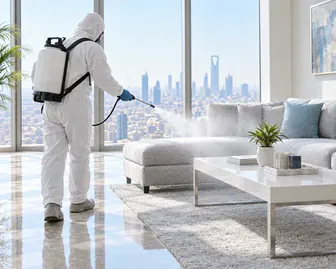
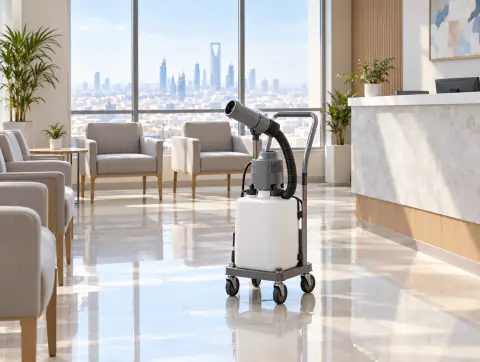
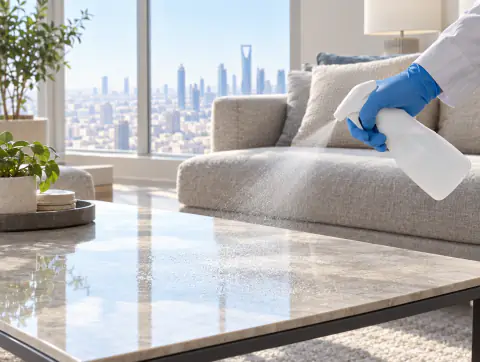
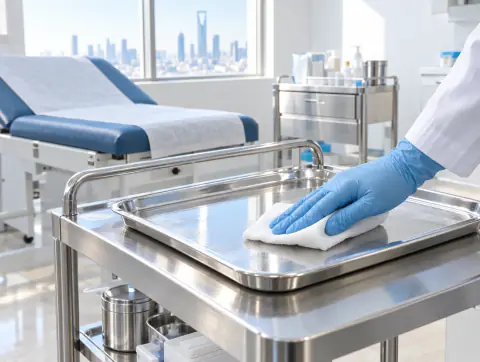
These are the parts the sanitizing covers in the restaurant, and the details vary with the type, size and cooking style of the place.
- Prep surfaces and boards
Stainless steel surfaces and chopping boards trap protein and fat residue in their fine scratches, and we clean these surfaces thoroughly to remove what clings in those pores.
- Extractor mesh and filters
The extractor mesh above stoves traps fat carried up with steam, and in the summer heat that fat hardens and blocks the ventilation; we clean it to restore its draw.
- Cooking appliances, exterior
The sides of ovens, stoves and grills collect layers of burnt fat that an ordinary wipe cannot remove, and we treat these surfaces to clear those build-ups.
- Kitchen floors and walls
Kitchen tiles on floors and walls absorb fat and broth spray during cooking, especially around the stoves and under work surfaces, making them among the heaviest build-up areas in a commercial kitchen.
- Dining area and tables
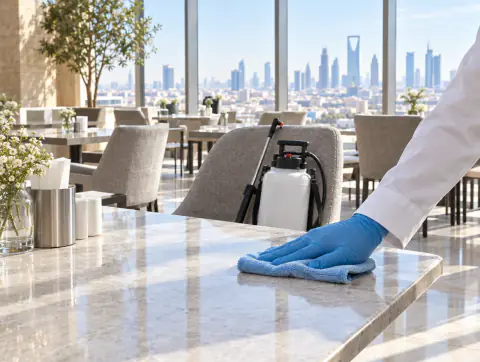
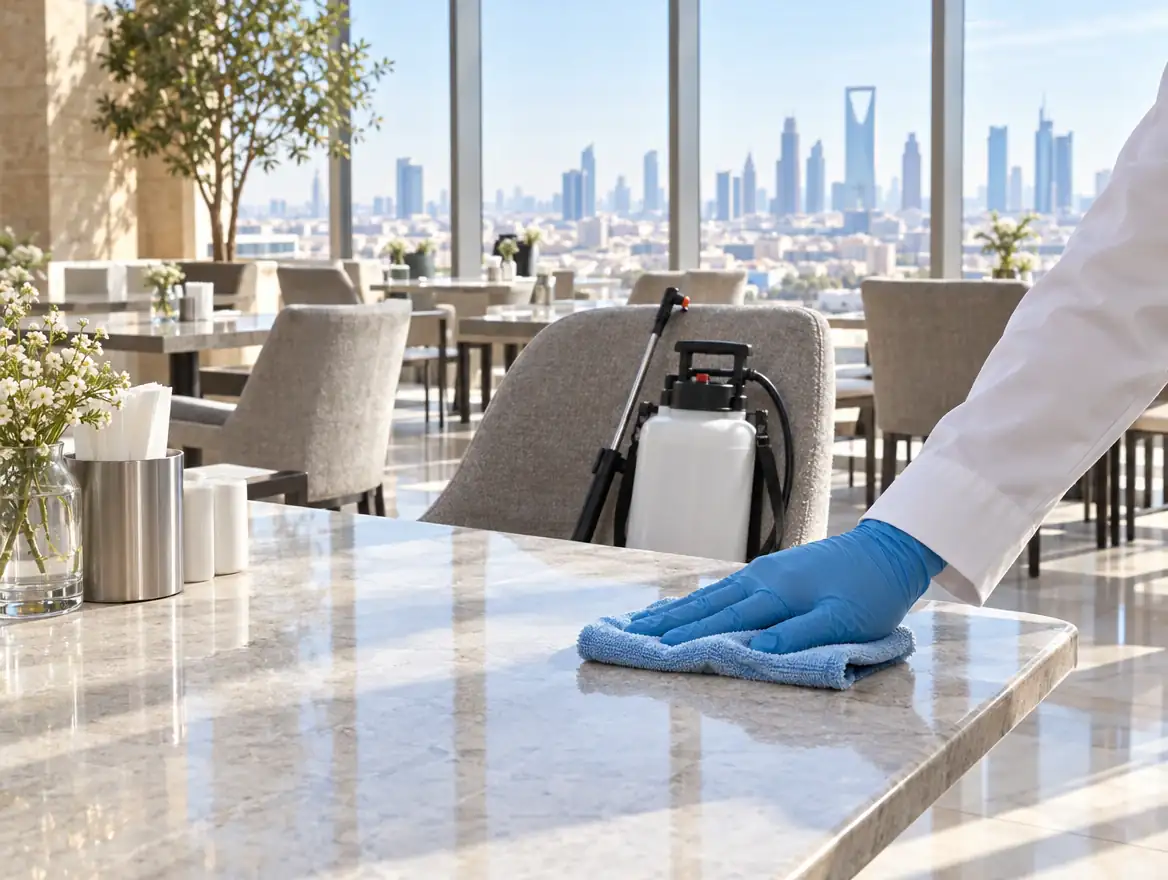
Dining area surfaces are touched by many hands, and tables, chair edges and legs trap food residue in their joints; we sanitize these surfaces after removing visible dirt.
- Entrances and washrooms
Door handles, reception surfaces and customer washrooms see constant traffic, and sanitizing them is part of how the restaurant presents itself to its customers.
Four steps, and done
- 1
Call or message us on WhatsApp
+966 54 084 3018 - 2
Tell us about your restaurant
Tell us the type of restaurant, the size of the kitchen and dining area, the district it is in, and any odours or build-ups you want addressed.
- 3
We agree a time and you prepare
We choose with you a time after closing or during a quiet period, and you clear prep surfaces of food and seal food containers before we start.
- 4
We start from the kitchen
We work from the kitchen through to the hall and finish with the entrances and washrooms. When we are done, check the kitchen smell, the prep surfaces and the condition of the extractor mesh.
Some of our work
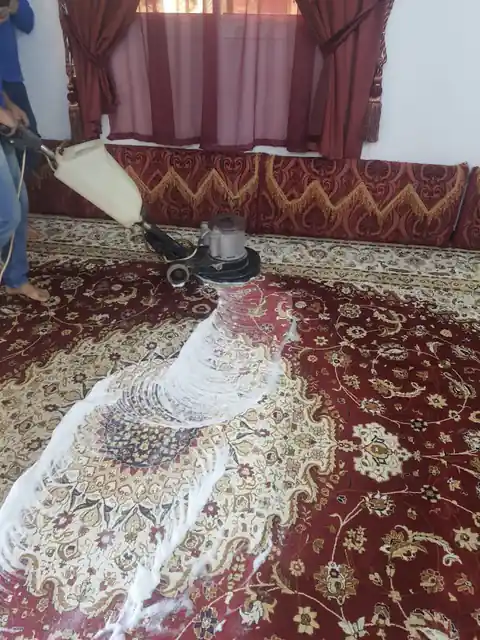
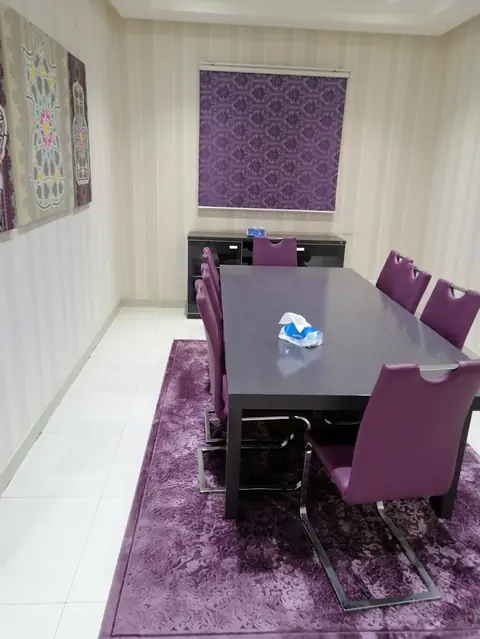
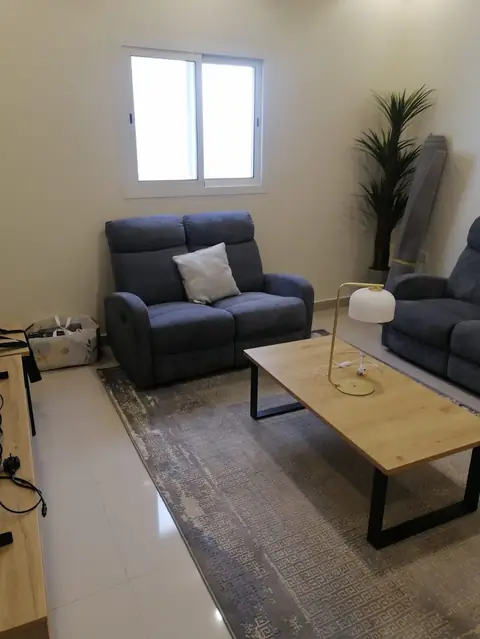
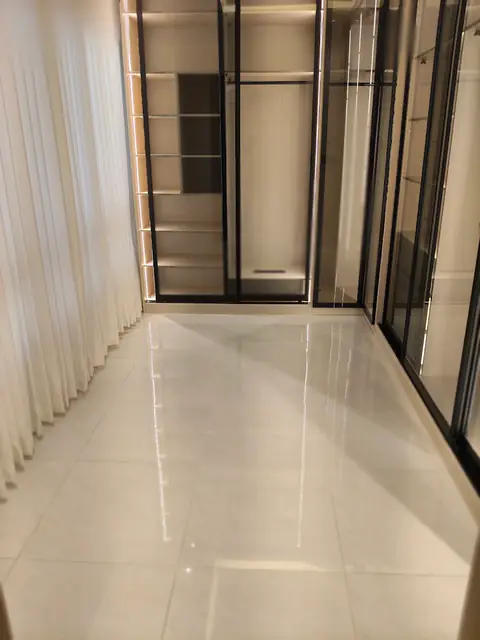
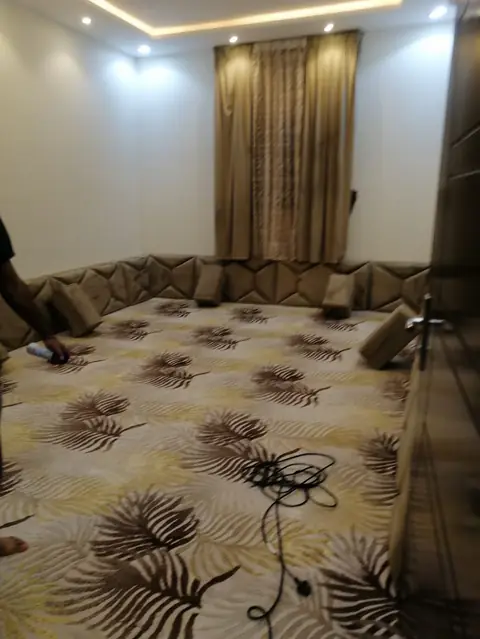
What our customers say
Real Google Maps reviews, word for word.
صراحة ممتازين جدا ويهتمون بأدق التفاصيل .. وجدا متعاونين الله يباركلهم .. من أفضل الشركات اللي تعاملت معاها
Google Maps شركة نظافة ممتازة يعطيكم العافيه
Google Maps يعطيكم العافيه.. شغل ممتاز يستاهلون ٥ نجوم
Google Maps
Questions about Restaurant sanitizing
How do I know my restaurant needs sanitizing and not just the daily clean?
If the fat smell in the kitchen stays after cleaning, dark brown layers appear on appliance sides that wiping cannot shift, or a full sanitizing session has not been done for a long time, those are signs the daily clean is no longer enough on its own.
What should I prepare before the team arrives to sanitize the restaurant?
Clear prep surfaces of food and seal food containers, make sure appliances in the kitchen are off and have cooled, and give clear access to the extractor mesh above the stoves and the sides of the appliances.
What should I expect after restaurant sanitizing and what do I check?
The first thing you will notice is the absence of the stale fat smell in the kitchen. Check the prep surfaces for grease marks, inspect the extractor mesh above the stoves and look at the drainage channels under the sinks.
What changes the scope of restaurant sanitizing from one place to another?
The cooking type matters a great deal: a grill and fry kitchen builds up far more fat than a cold-dishes kitchen. The floor area, the number of building levels, how accessible the mesh and appliance areas are, and when the last deep clean was done all affect the scope.
Do storage rooms and cold rooms get sanitized too?
Yes, cold rooms and storage areas are part of the restaurant environment and need their own attention: food odours build up and soak into the plastic and metal surfaces of shelving. Tell us when you call and we agree on the scope.
More services under Disinfection & sanitization