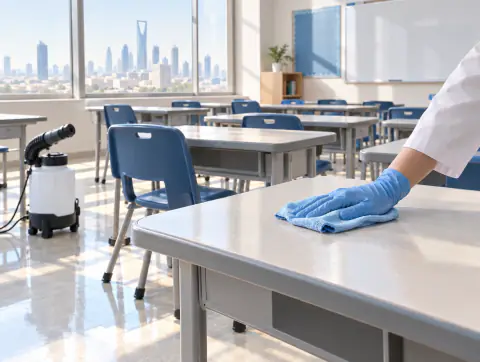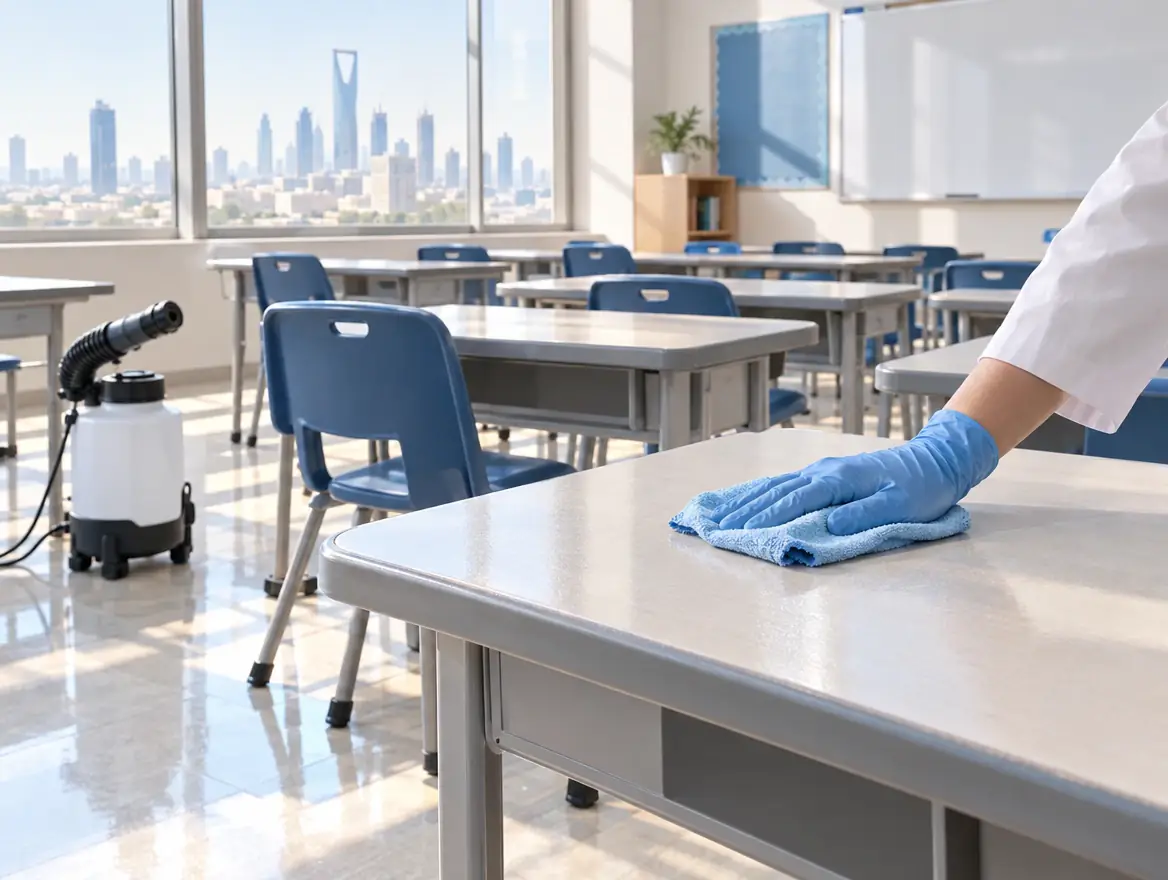
What does school sanitizing cover?
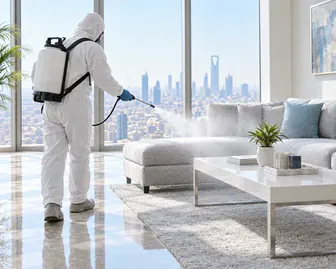
In a school, classroom doors, drawer handles, desk surfaces and whiteboards are touched by many hands throughout the school day. The fine dust that the air carries settles on these surfaces and adds to what hands pass between them. Cleaning removes the visible dust and dirt, but sanitizing treats what stays on the surface after the cloth has gone over it.
Call or message us on WhatsApp and tell us the school's name, its district and the number of classrooms or an approximate area. We agree a suitable time with you and discuss what needs to be prepared before the team arrives.
These are the parts the sanitizing goes through in the school, depending on its size, layout and what it needs.
- Desks and table surfaces
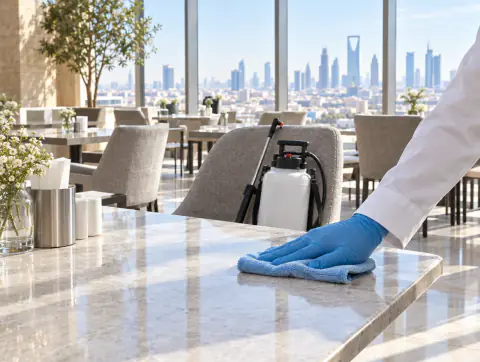
The wooden and coated desk surfaces that hands touch constantly are sanitized, as they are the most direct contact point in the classroom and the most likely to carry invisible residue.
- Doors and handles
Door handles and the push plates around them are wiped down, as they are touched by every person entering and leaving and are not washed between touches.
- Toilets and taps
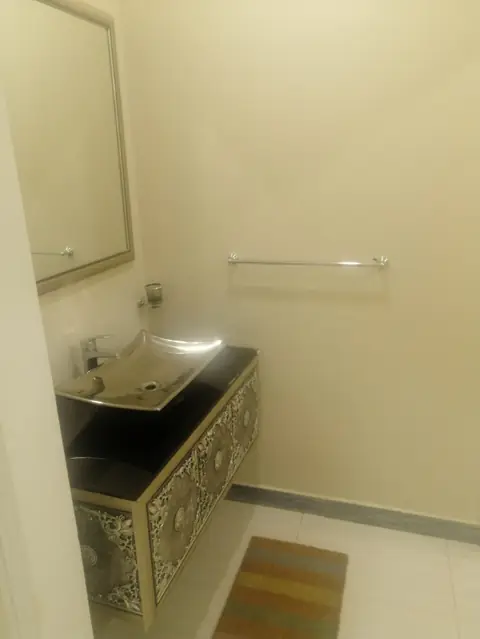
Toilets, basins, taps and the wall surfaces around them are sanitized, as the constant moisture makes these areas accumulate residue faster than the rest of the school.
- Corridors and stairways
Barrier surfaces, handrails and gathering points in corridors are treated, as they carry heavy foot traffic during breaks and at entry and exit times.
- Boards and lower wall areas
Whiteboards and wall surfaces at hand height are wiped, as the fine dust settles on them on top of what daily use leaves behind.
- Kitchen or canteen
Preparation surfaces, tables and serving areas in the canteen or kitchen are sanitized where they exist, as food and moisture mean this area needs different treatment from the rest of the school.
Four steps, and done
- 1
Call or message us on WhatsApp
+966 54 084 3018 - 2
Tell us about the school
Tell us the number of classrooms or the approximate area, which sections need sanitizing, and which district the school is in.
- 3
We agree a time and preparation
We settle on a time that suits you. It is best if the school is free of students, personal items are cleared from desks and any food cupboards are closed.
- 4
We start the work, then you check
We sanitize the classrooms, corridors, toilets and agreed sections, then you check that the surfaces you asked for are fully covered before the school reopens.
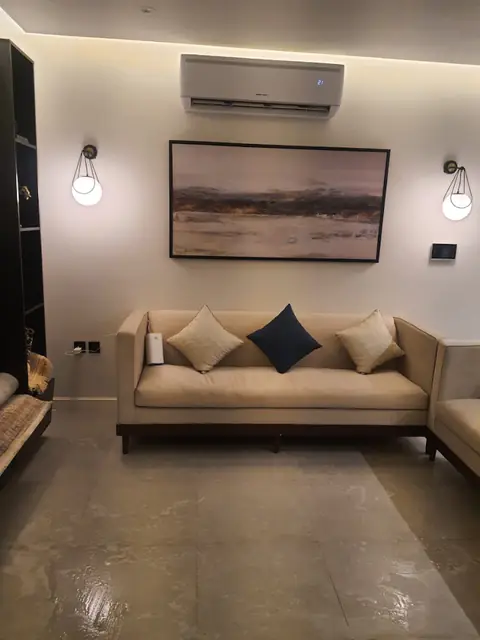
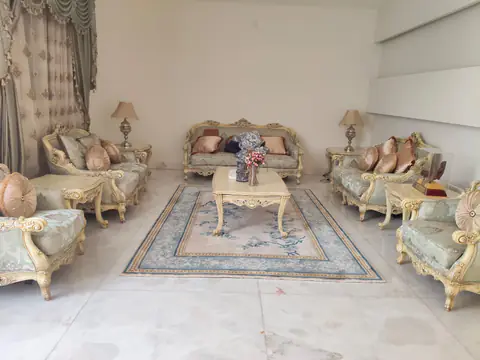
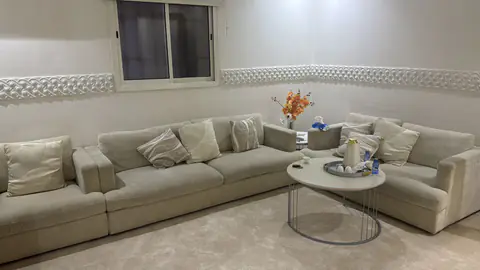
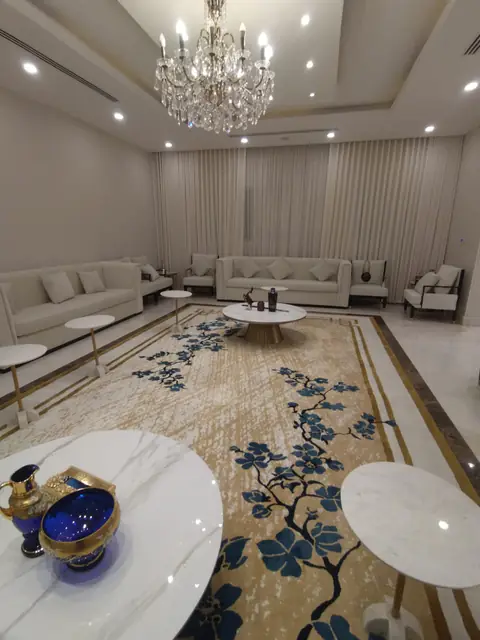
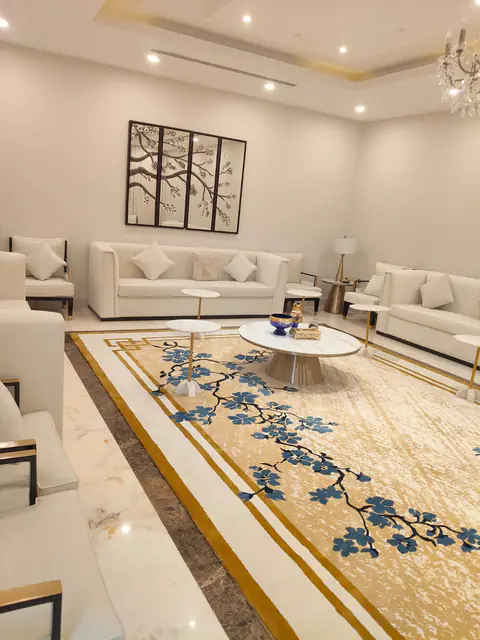
Some of our work
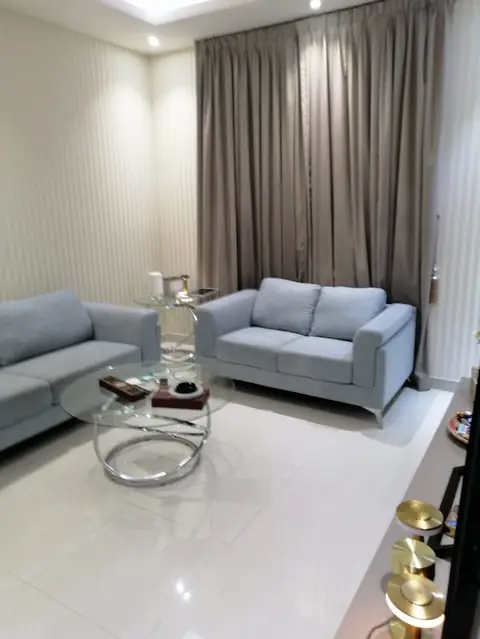
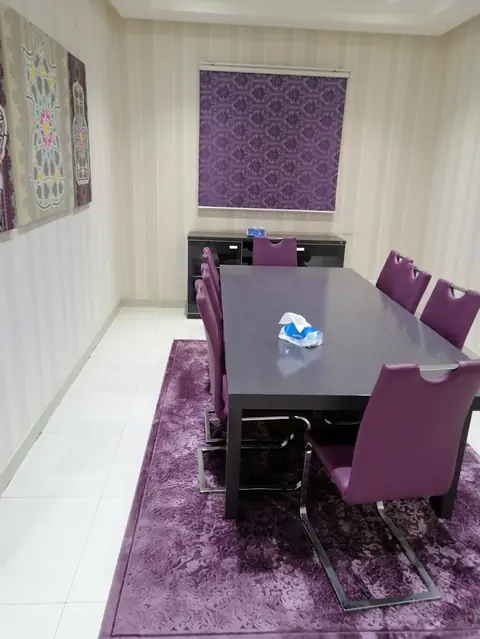
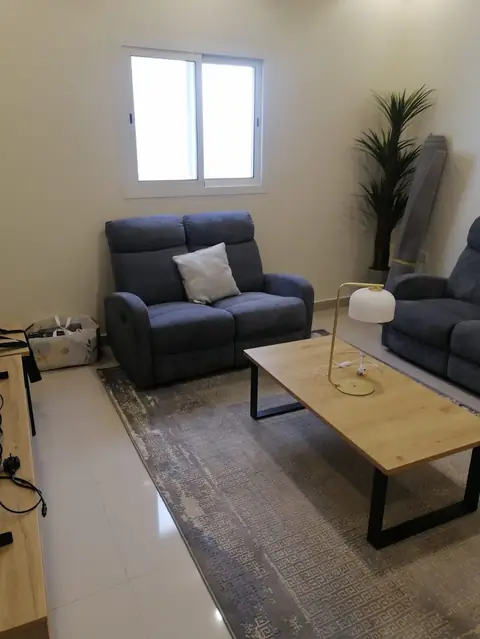
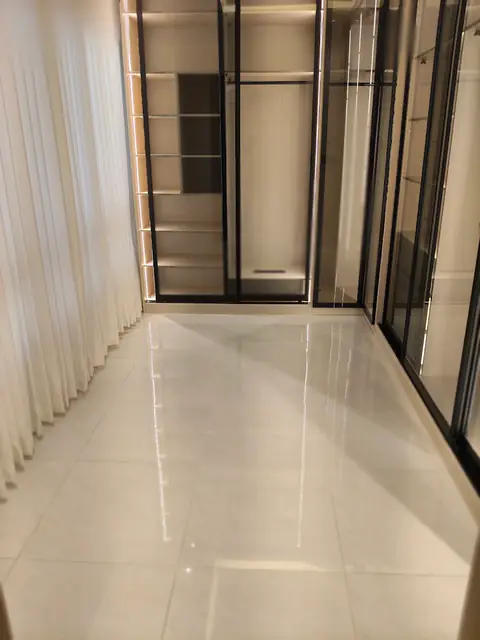
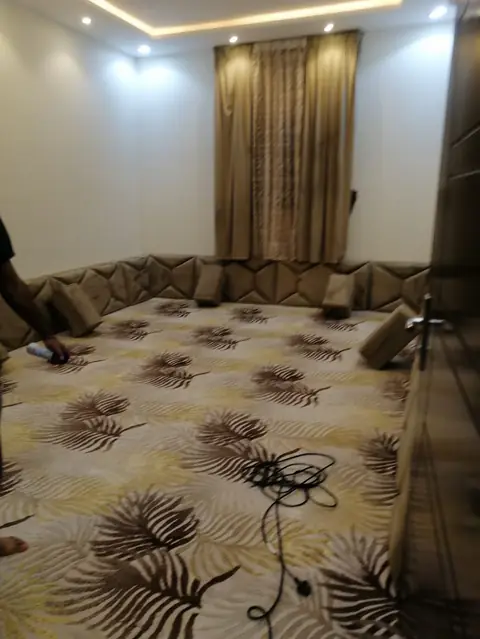
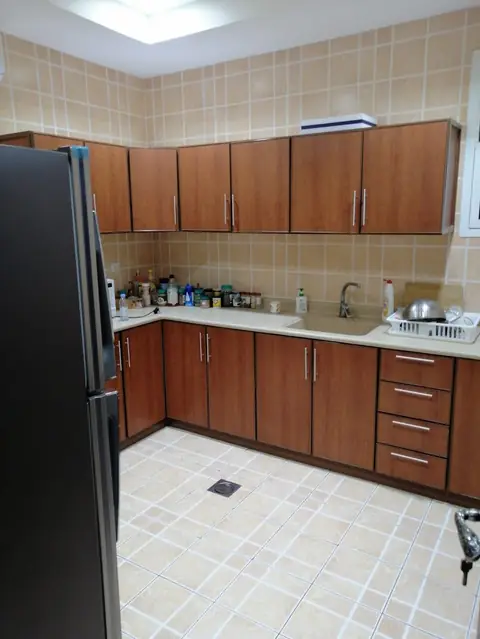
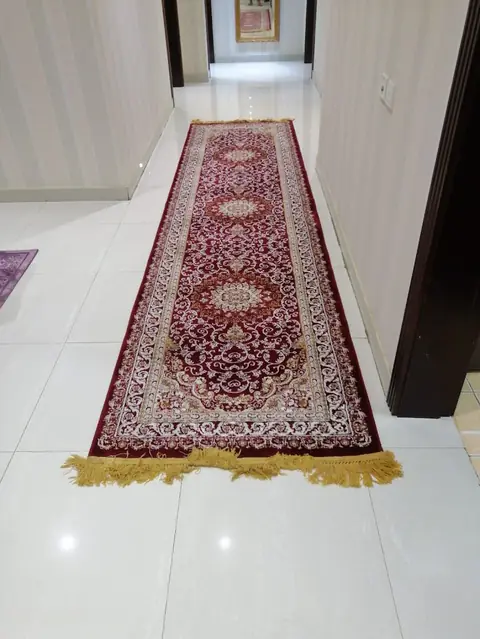
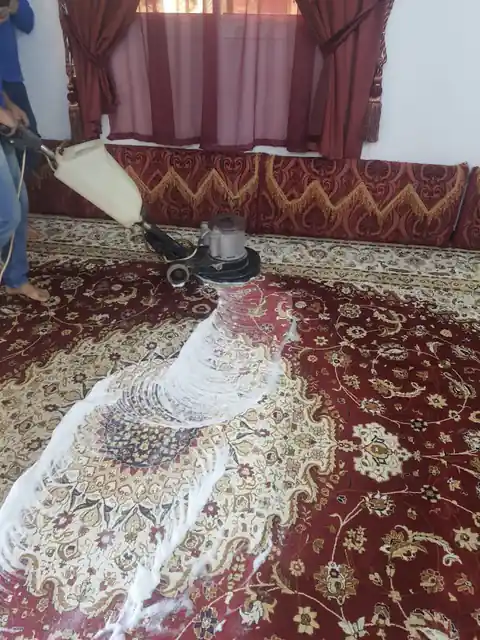
What our customers say
Real Google Maps reviews, word for word.
افضل عمال وتنظيف روووعة يعطيكم العافية
Google Maps يعطيكم العافيه.. شغل ممتاز يستاهلون ٥ نجوم
Google Maps شركة نظافة ممتازة يعطيكم العافيه
Google Maps
Questions about School sanitizing
When does a school building need sanitizing rather than cleaning alone?
Cleaning removes visible dust and dirt, but desk surfaces, handles and toilets need extra treatment after long busy periods, before a school term begins or after it ends, or when absences rise during a seasonal illness going through classes.
What should I prepare before the team arrives to sanitize the school?
It is best to clear students from classrooms and let staff know the work schedule. Personal items on desks should be moved, and food in the canteen or kitchen should be closed away or moved. If some sections do not need sanitizing, we agree that when you call.
What do I check after the school sanitizing is done?
Check the requested surfaces and confirm that desks, handles and toilets are fully covered. Notice whether any moisture remains on sensitive surfaces such as wood and let us know if it does. Make sure classrooms are ventilated before students enter.
What changes the scope of school sanitizing from one site to another?
The number of classrooms and the total area is the first thing that sets the scope, followed by whether there is a canteen, kitchen, activity hall or multiple entrances. The more shared surfaces and gathering points the building has, the broader the work, and that is what we agree with you when you call.
The school has two floors and several wings, does that change how the work is organised?
Yes, a building with multiple floors and wings needs advance coordination to sequence the sections, so that sanitized surfaces are not used again before all the work is finished. Tell us the building layout when you call so we can agree the right order.
More services under Disinfection & sanitization