What does wooden kitchen cleaning cover?
Wood in a kitchen is a sensitive material. Its surface carries a painted or laminated layer that protects it from moisture and grease, but that layer absorbs the airborne fats released during cooking and gradually builds up a sticky residue that a simple wipe cannot reach. In the dusty climate, fine dust sticks to that film at handles and edges and forms a layer that ordinary cleaning leaves behind. A common mistake is reaching for a strong cleaner or a rough pad that strips or dulls the finish.
We start by hearing what you notice on your kitchen doors and surfaces, then we agree a time. We clean doors, drawers, shelves and the edges of wooden surfaces, remove the grease that builds up at handles and corners, and wipe each surface in the way its finish needs. Call or message us on WhatsApp, tell us your district, the size of the kitchen and the type of wood if you know it, and we agree a time with you.
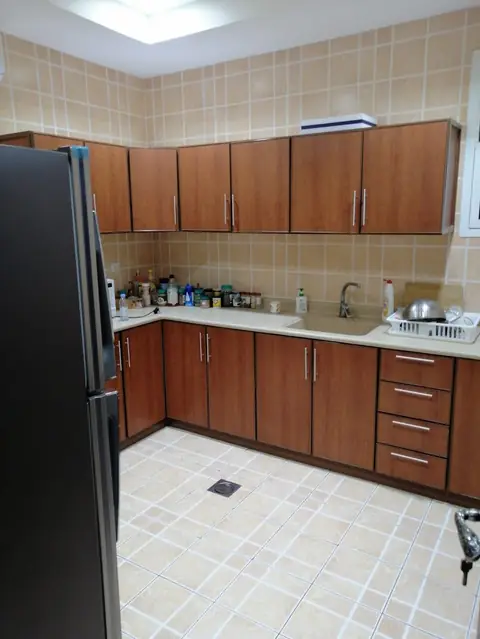
These are the parts the cleaning goes through in a wooden kitchen, depending on the condition of the surfaces and what you notice in them.
- Cabinet doors
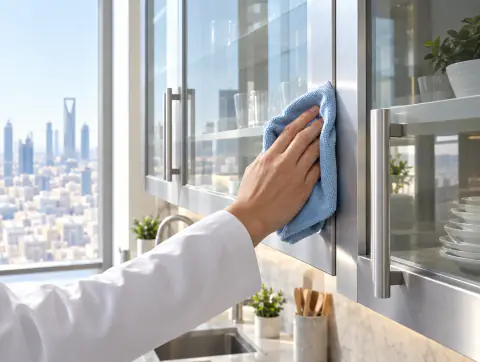
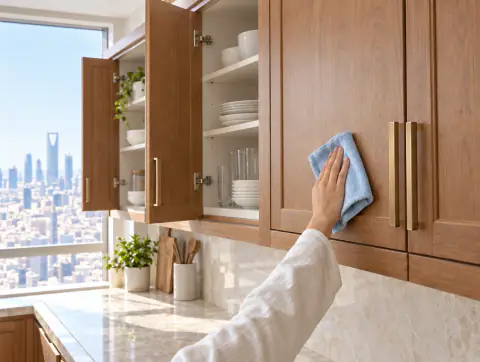
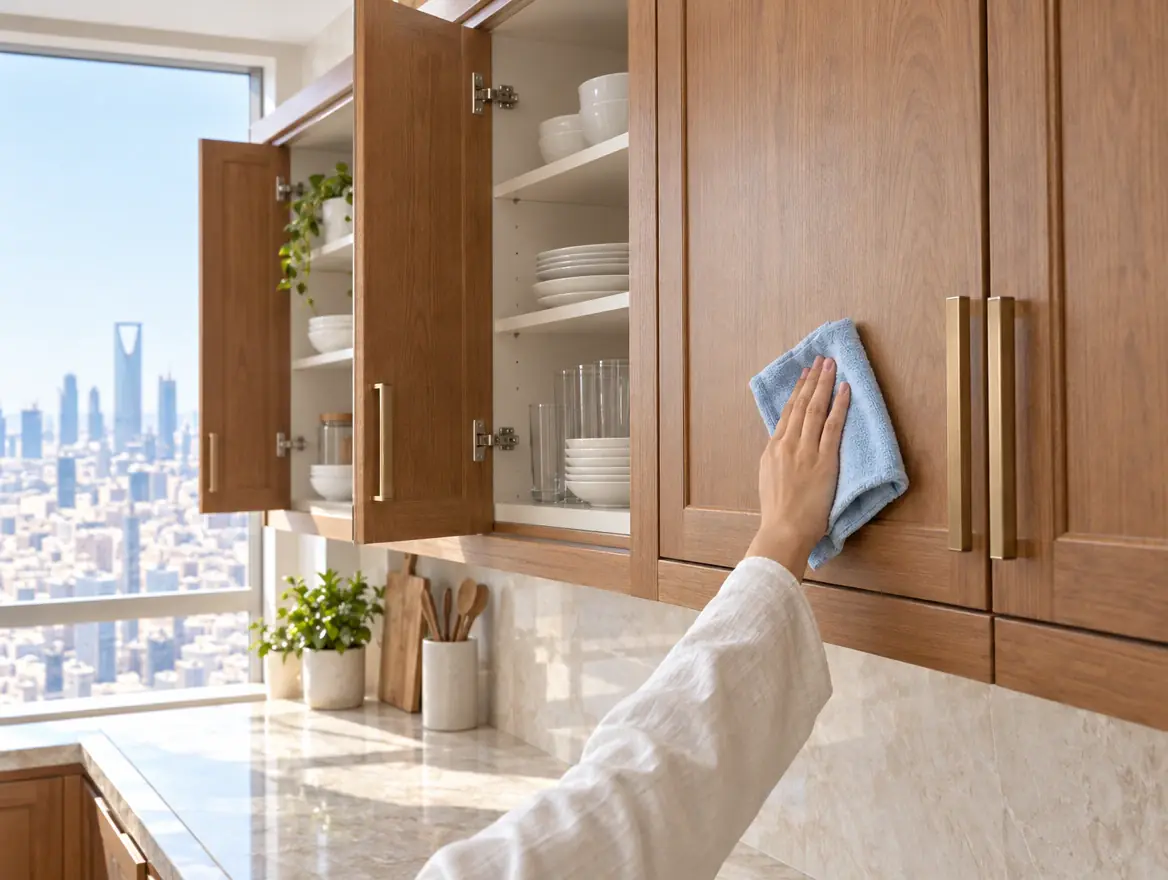
We remove grease and marks from both faces of each wooden door, paying attention to edges and raised profiles where dirt collects in the corners.
- Handles and recesses
The handle is the most touched point in the kitchen and gathers the most grease and dark marks from hands, and we remove them in a way that leaves the surrounding finish untouched.
- Drawers inside and out
We wipe the outer face of each drawer and attend to the inside when it needs it, as flour, spices and small residues gather there over time.
- Wooden shelves
We clean the inside shelves of cabinets from container marks and greasy spots, while avoiding excess moisture that can warp compressed-wood panels.
- Wooden worktop edges
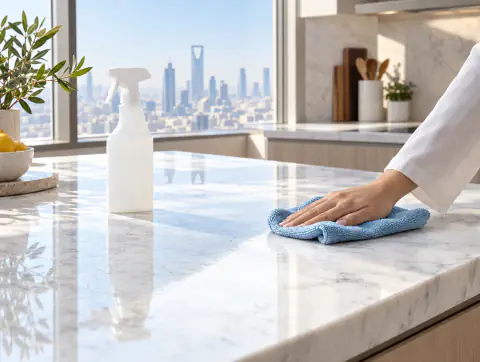
Worktop edges catch cooking splashes and absorb grease from below, and we clean them without flooding them with liquid that could seep into the wood.
- Frames and visible structure
The frames between cabinets and wall collect dust and grease at the joins, and we wipe them as part of the clean because they show clearly when they are dirty.
Four steps, and done
- 1
Call or message us on WhatsApp
+966 54 084 3018 - 2
Tell us what you notice
Tell us where dirt is collecting in your kitchen, whether doors feel sticky or look dark or stained, which district you are in and roughly how large the kitchen is.
- 3
We agree a time and you prepare
We settle on a time that suits you, and you empty the shelves and cabinets you want cleaned inside, and clear tools and containers off the worktops.
- 4
We work and you check afterwards
We clean the doors, drawers, shelves and edges, then you check the handles, corners and edges to confirm the grease is gone and the finish is intact.
Some of our work
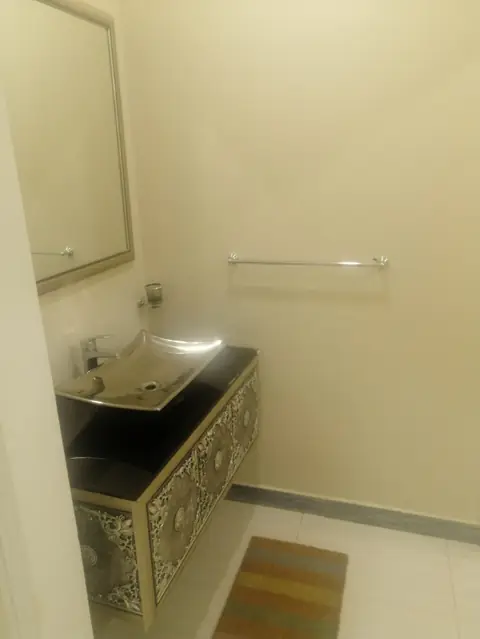
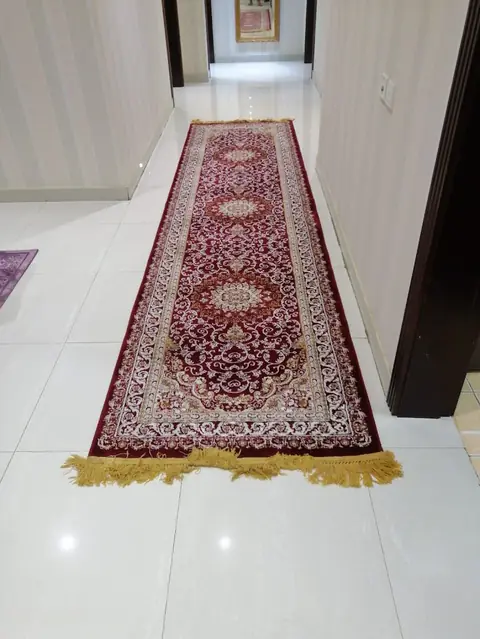


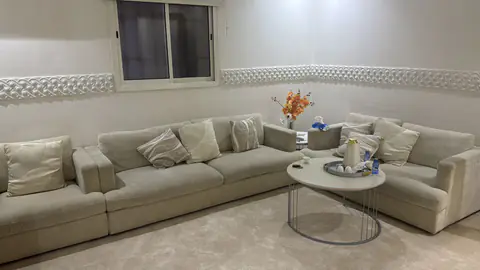


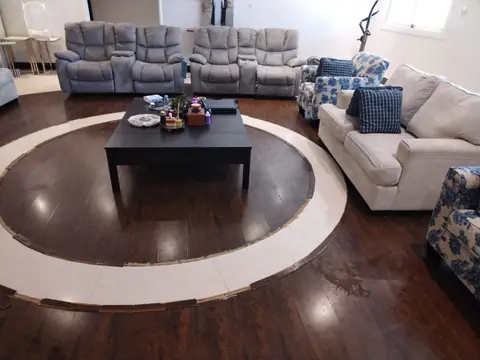

What our customers say
Real Google Maps reviews, word for word.
شركة نظافة ممتازة يعطيكم العافيه
Google Maps يعطيكم العافيه.. شغل ممتاز يستاهلون ٥ نجوم
Google Maps افضل عمال وتنظيف روووعة يعطيكم العافية
Google Maps
Questions about Wooden kitchen cleaning
My wooden doors feel sticky around the handles, is that normal?
Stickiness at handles is the clearest sign of grease build-up on wooden kitchen surfaces. Airborne fats from cooking settle on the finish and mix with fine dust over time to form a tacky film. Repeated wiping with a dry cloth does not remove it because it needs a method suited to the wood finish.
Do I need to empty all the cabinets before you come?
You only need to empty the cabinets and shelves you want cleaned inside. Cleaning the outside of doors and fronts does not need the cabinets to be emptied. Tell us when you call what exactly you want cleaned and we agree on what suits your kitchen.
What causes the wood to darken at the edges?
Door and cabinet edges face direct cooking spray and steam, and the grease that clings to them oxidises and turns dark or yellow. This happens faster in heavily used kitchens or narrow ones that trap steam. The colour change is a sign the protective layer needs a deep clean.
Is compressed wood cleaned the same way as solid wood?
Not exactly. Compressed wood or MDF has a thin formica or paint layer and absorbs water at unprotected edges and cut surfaces if excess moisture is left there, while solid wood tolerates more. That is why we ask about your kitchen wood type when you call, as the approach differs for each.
After the clean, what should I check in a wooden kitchen?
Check handles, edges and corners to confirm the stickiness and dark marks are gone. Run your hand over the doors to make sure the finish feels smooth and undamaged. Also check the lower edges of cabinets, as they reveal any grease the cleaning may not have reached.
More services under Kitchen cleaning