What does crystallisation marble polishing cover?
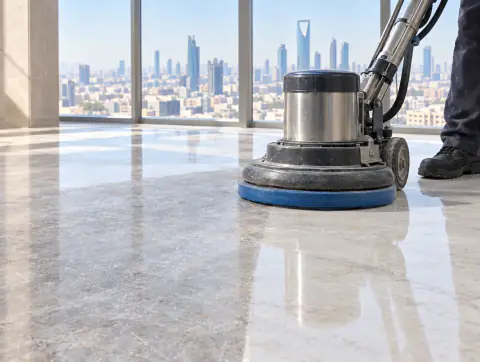
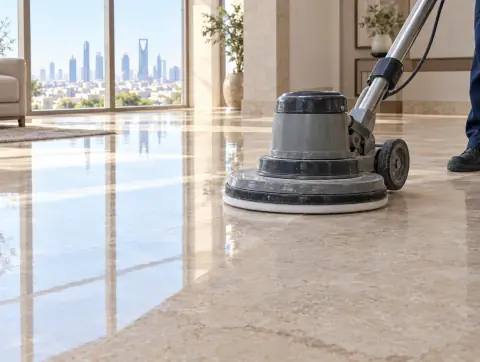
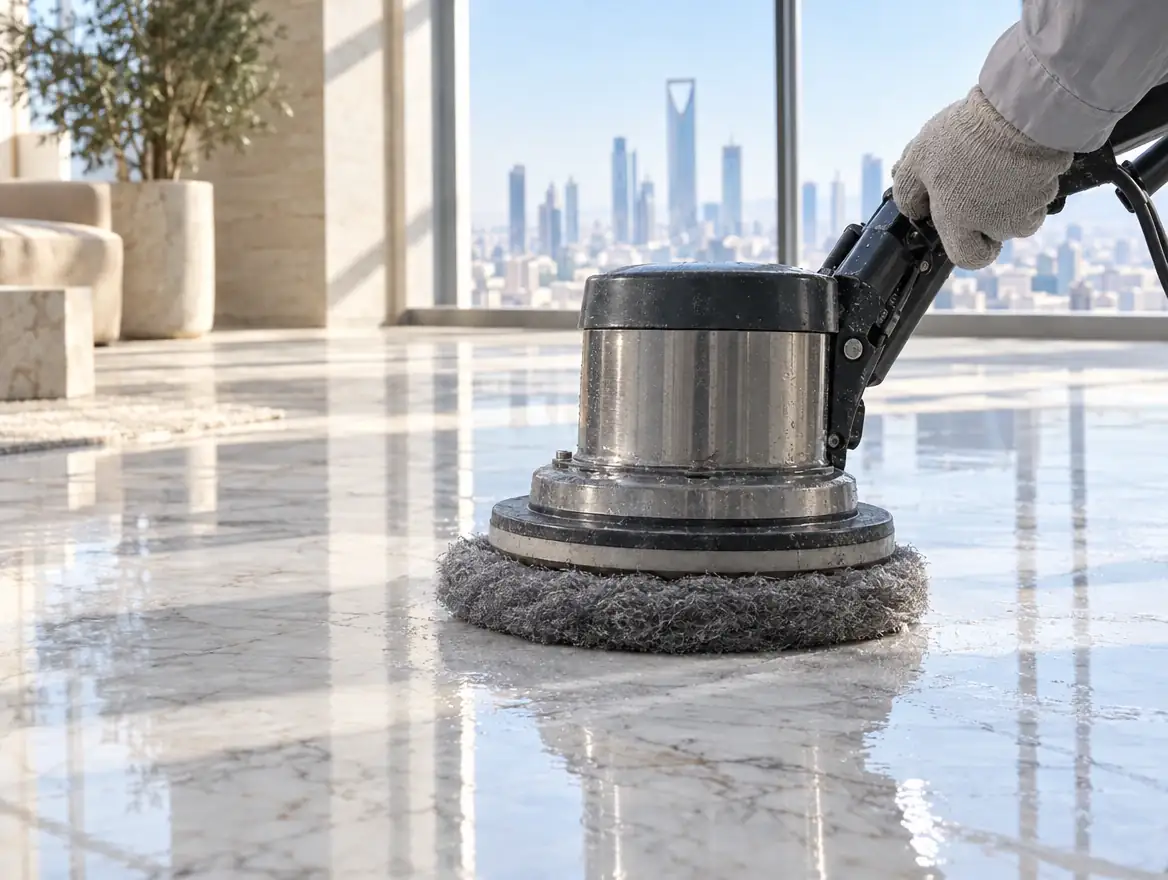
Crystallisation marble polishing works through a chemical reaction that happens on the surface of calcareous marble itself, forming a gloss that comes from within the stone rather than sitting on top of it. This is what makes the result visually different from mechanical polishing alone, and it suits surfaces that have lost their shine entirely or need a clear mirror-like gloss.
Call or message us on WhatsApp, tell us what you notice in your marble and which district you are in, and we agree a time. We take care of the surface preparation, the crystallisation and checking the result with you at the end.
These are the stages the surface goes through during the work, depending on the condition of your marble and what you notice in it.
- Initial surface clean
The marble is cleaned of dirt and surface marks before anything else, because any residue left on it will interfere with the chemical reaction that crystallisation relies on.
- Marble type check
Crystallisation suits calcareous marble such as natural, beige and cream varieties, and identifying the type determines the right approach for that particular surface.
- Surface preparation
If the surface has scratches that can be treated, it is prepared before crystallisation so the process works on a more even face and gives a consistent gloss.
- Applying the crystal layer
The material is applied to the surface with heat and friction, and the calcium in the marble reacts with it to form the deep gloss that sets crystallisation marble polishing apart.
- Edges and corners
Slab edges and corners are treated carefully because they are the parts most often missed, and leaving them without crystallisation makes the contrast with the rest of the surface visible.
- Post-work gloss check
After the work the surface is checked under light to confirm the gloss is even and there are no dull patches between slabs or at joints.
Four steps, and done
- 1
Call or message us on WhatsApp
+966 54 084 3018 - 2
Tell us about your marble
Tell us which room or area the marble is in, whether it is a floor or a wall, the type if you know it, and what you notice in it such as dullness or scratches.
- 3
We agree a time
We settle on a time that suits you, and you clear the space of light furniture, rugs and any items on the floor or beside the wall.
- 4
Work and check together
We carry out crystallisation marble polishing on the agreed area, and at the end we check the surface with you under light to confirm the gloss is consistent.
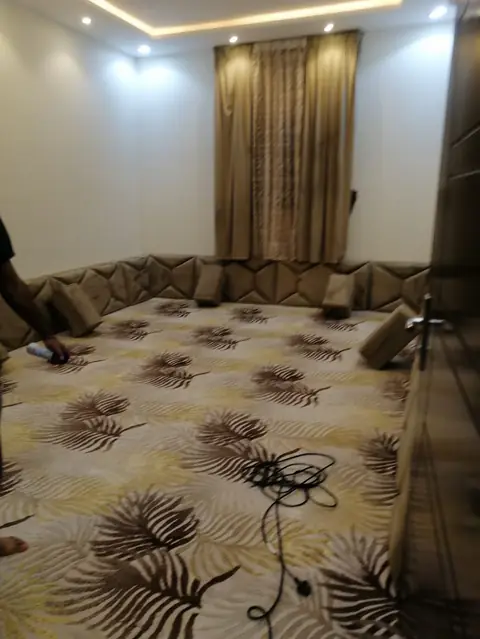
Some of our work
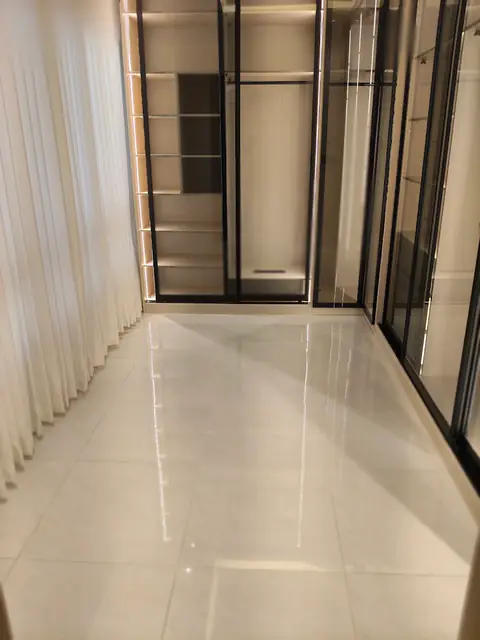
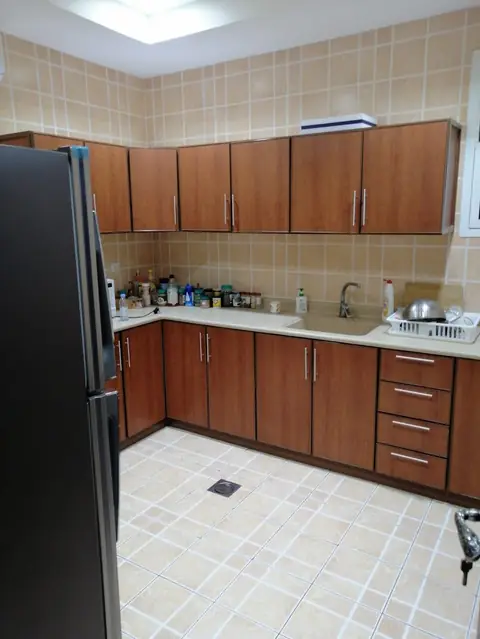
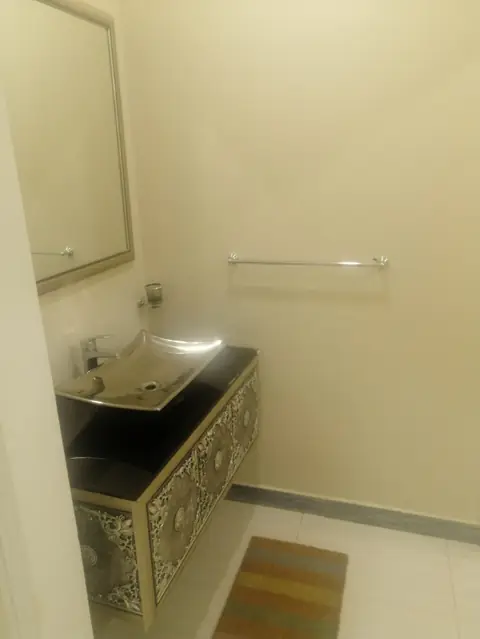
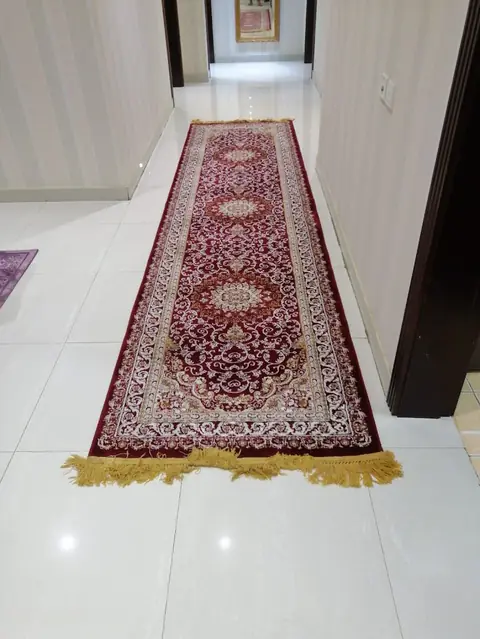

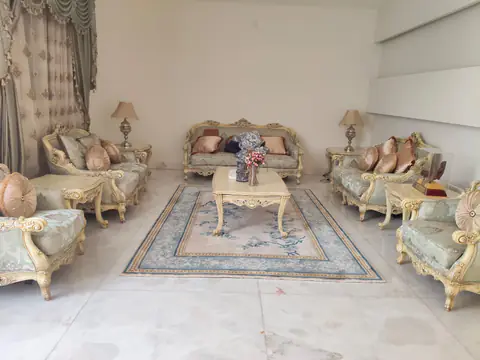

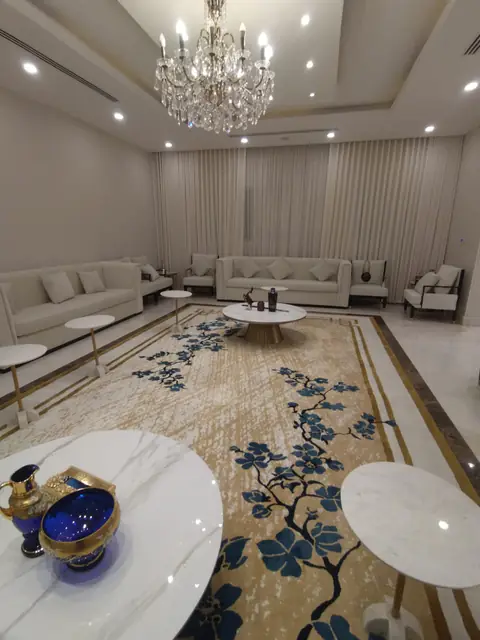
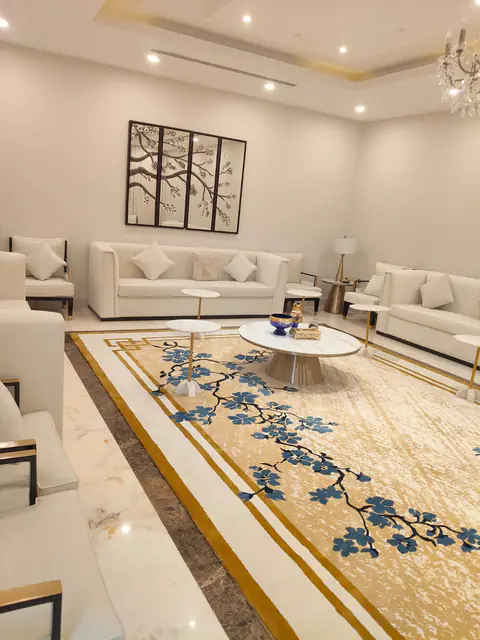
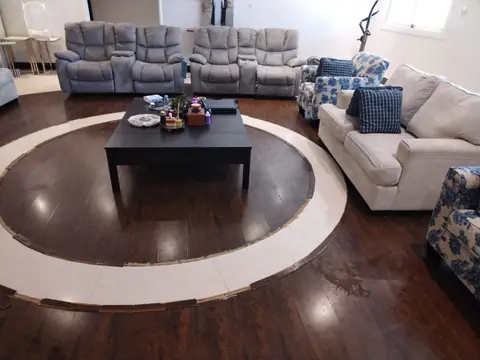
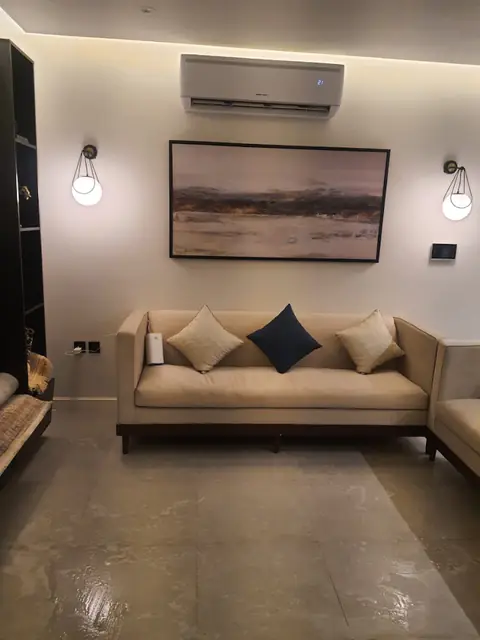
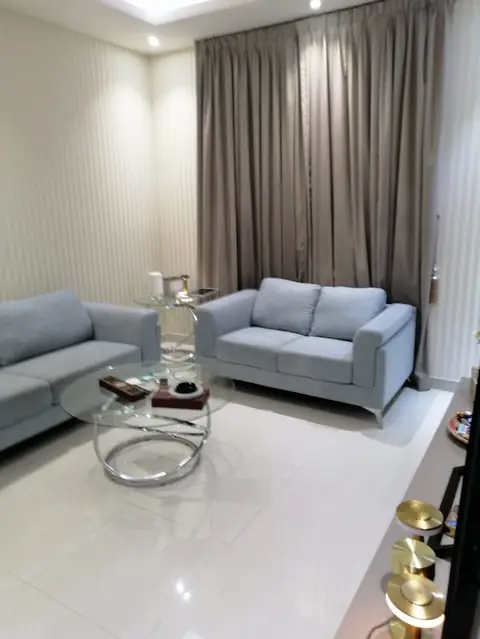
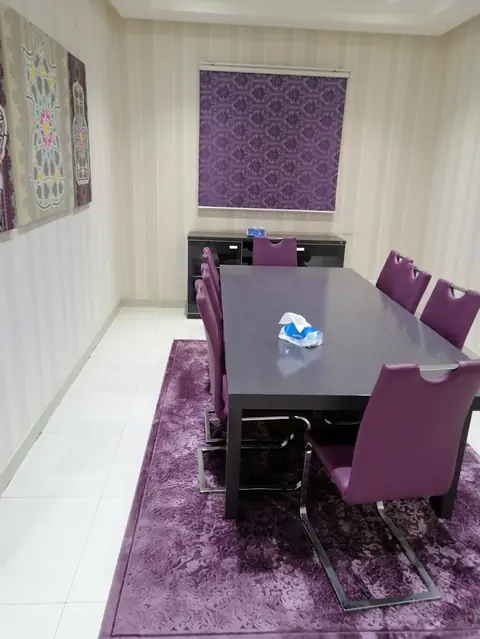
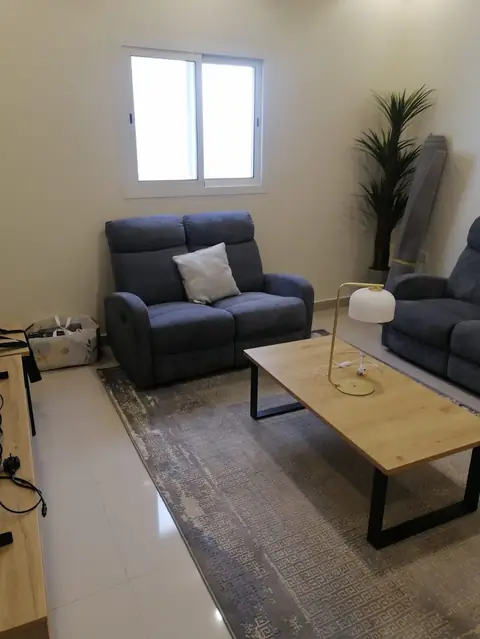
What our customers say
Real Google Maps reviews, word for word.
افضل عمال وتنظيف روووعة يعطيكم العافية
Google Maps شركة نظافة ممتازة يعطيكم العافيه
Google Maps يعطيكم العافيه.. شغل ممتاز يستاهلون ٥ نجوم
Google Maps
Questions about Crystallisation marble polishing
How do I know my marble needs crystallisation and not just ordinary polishing?
If your marble has lost its deep gloss entirely and does not reflect light even after cleaning, crystallisation is what restores that kind of shine because it works by reacting with the calcareous layer. If the surface still has some sheen, polishing alone may be enough. We ask about the condition when you call to agree what suits it.
Does every type of marble take crystallisation?
No. Crystallisation suits calcareous marble that contains calcium, such as natural marble, beige and cream varieties. Hard surfaces like granite or some engineered materials need different methods. That is why we ask about your marble type and condition when you call.
What should I prepare at home before crystallisation marble polishing day?
Clear the area of light furniture, rugs and items placed on the floor or beside the wall to be treated. If the area is a kitchen or bathroom, it helps to move tools and small items off the marble surfaces so the work can reach every part.
What should I check after crystallisation marble polishing is done?
Look at the surface under both natural and artificial light to confirm the gloss is even across the slabs, at the edges and at the joints. A dull patch between two slabs usually means that area needed an extra pass, and that is what we check with you before we leave.
Is crystallisation on walls different from crystallisation on floors?
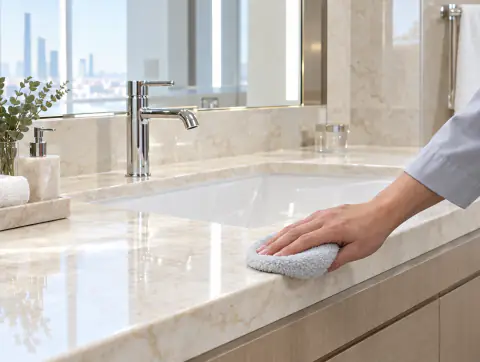
The chemical process is the same, but working on walls needs a different approach to application and pressure because gravity works against the direction of the work. The top and bottom edges of a wall are also more likely to be missed than floor edges. We ask about the area when you call so we come prepared.
More services under Marble polishing & restoration