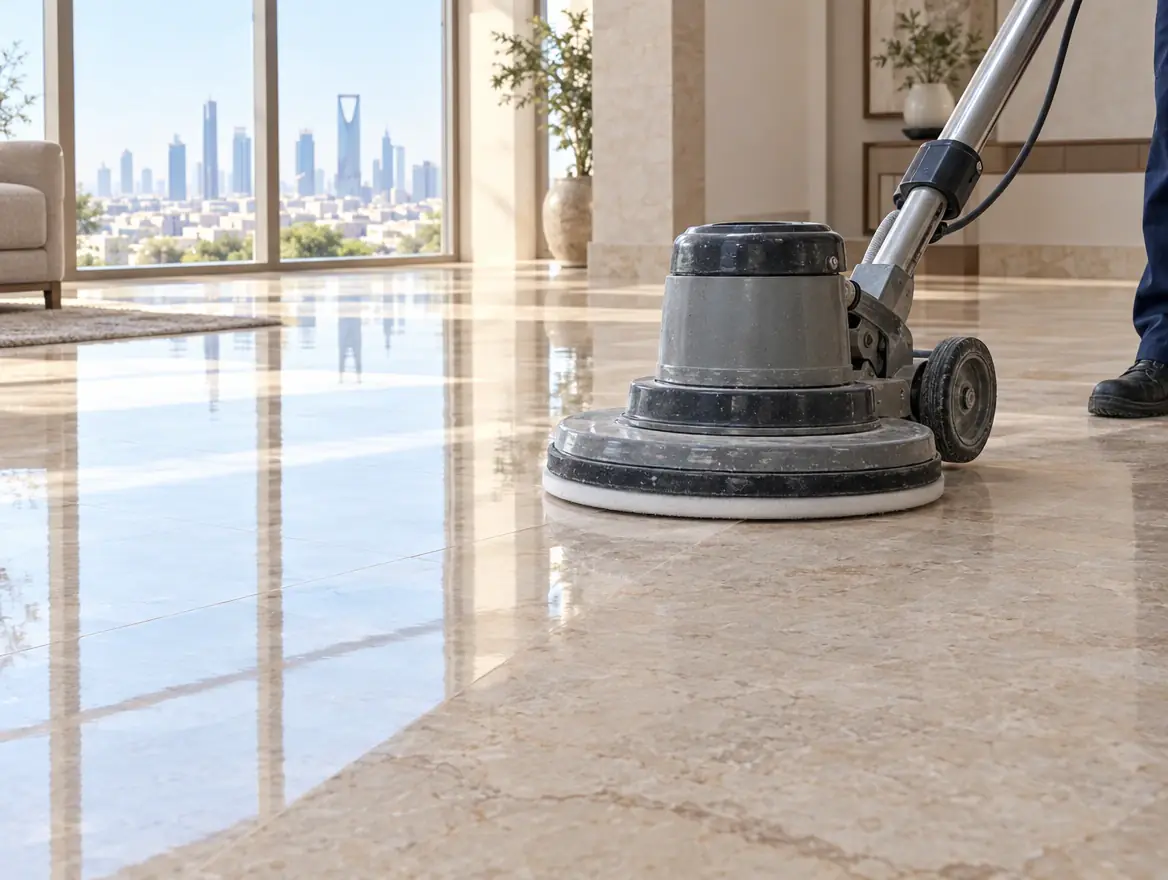
What does natural marble polishing cover?
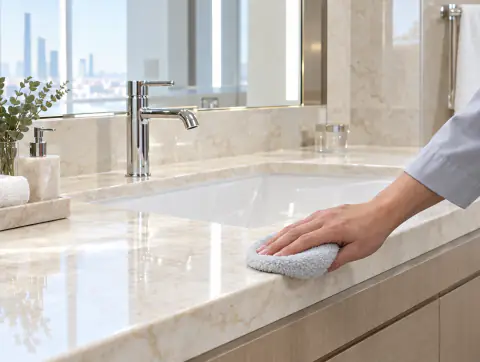
Natural marble is a crystalline stone shaped by pressure deep in the earth over a very long time, and that is what gives it its unique veining. But its surface is affected by scratches from daily use, by the fine sand that enters homes on shoes, and by acid marks from lemon juice or strong cleaners. These scratches break up the top layer of the stone and interrupt the way light reflects from it, so the marble looks flat and dark.
Polishing natural marble starts with knowing the type of stone, because different marbles vary in density and porosity, and that determines how the surface is worked. Tell us what you notice in your marble and which district you are in, call or message us on WhatsApp, and we agree a time with you.
These are the steps the surface typically goes through, and they vary by the type of marble, its condition and what you notice in it.
- Stone type and condition check
Before starting, the marble is examined to identify its type, how porous it is and how deep the scratches go, because calcite marble responds differently from dolomite or travertine.
- Surface and scratch grinding
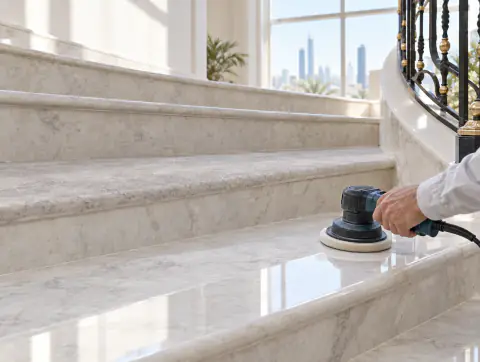
Fine scratches cannot be removed by polishing alone; they need an initial grind to level the top layer of stone before moving on to the polishing stage.
- Progressive polishing stages
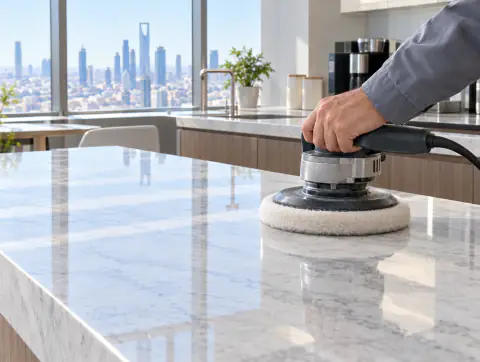
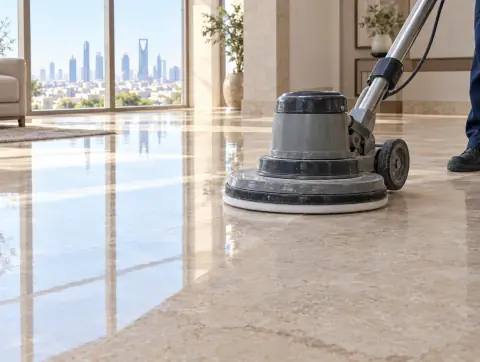
The surface is polished in progressive stages of increasing fineness until the marble regains the light reflection and colour depth that are typical of natural stone.
- Acid stain treatment
Acid stains from lemon or drinks etch into calcite marble and leave a rough mark; they are treated in the grinding stage before polishing begins.
- Edges and corners
The edges of marble slabs and the corners of surfaces are polished by hand, as they are often missed and show up clearly against the rest once the main surface is done.
- Sealing after polishing
After polishing, the marble is at its most absorbent, so sealing the pores is recommended to protect the finished surface from staining quickly again.
Four steps, and done
- 1
Call or message us on WhatsApp
+966 54 084 3018 - 2
Tell us what you notice
Describe the marble to us: whether it is just dull, or has visible stains or scratches, which district you are in, and whether the marble is on floors, walls or surfaces.
- 3
We agree a time
We settle on a time that suits you, and you clear the area by moving furniture, rugs and heavy items away from the marble to be polished.
- 4
Work and check together
We carry out the grinding and polishing on the surface, and when we finish you check the marble in natural light to confirm the scratches are gone and the lustre has returned.
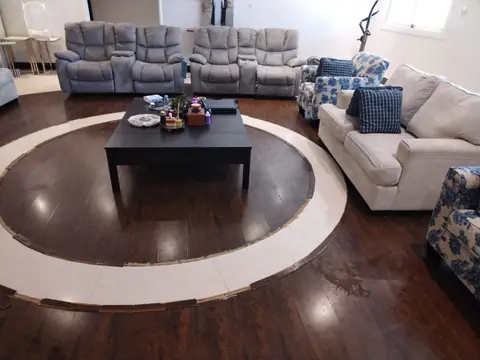
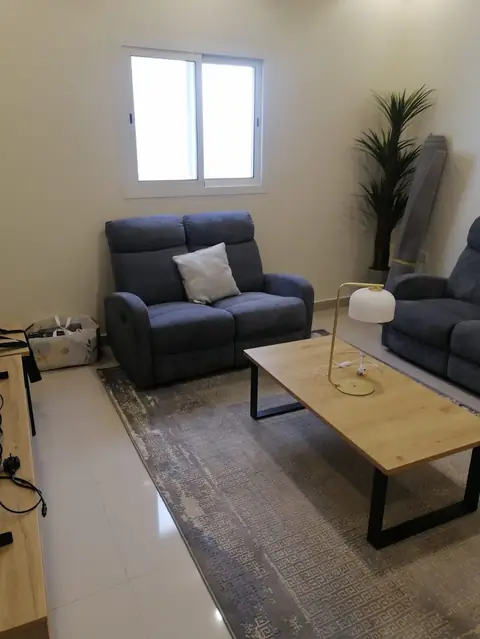
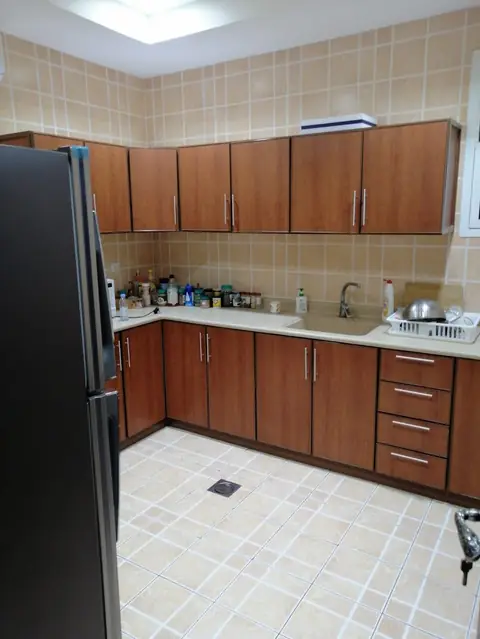
Some of our work











What our customers say
Real Google Maps reviews, word for word.
صراحة ممتازين جدا ويهتمون بأدق التفاصيل .. وجدا متعاونين الله يباركلهم .. من أفضل الشركات اللي تعاملت معاها
Google Maps شركة نظافة ممتازة يعطيكم العافيه
Google Maps يعطيكم العافيه.. شغل ممتاز يستاهلون ٥ نجوم
Google Maps
Questions about Natural marble polishing
My marble is still smooth but has lost its shine, does it need polishing?
Yes, the lustre disappears before scratches are visible to the eye. Light breaks on very fine scratches in the top layer of the stone that you cannot feel with your fingers, and it is those scratches that make the marble look flat and dark. Polishing levels the surface and restores the way light reflects from it.
What do I remove from the room before polishing day?
Move furniture, rugs and long curtains away from the marble area, and take out light items that could be affected by moisture. Tell us if the marble is in a narrow corridor or under heavy furniture that cannot be moved, so we can account for that when planning the work.
After polishing, when can I walk on the floor?
Polished marble needs time to dry before you walk on it, especially if a sealant was applied. We tell you when we finish, based on what was applied and the ventilation in the space; the high heat of a summer generally speeds drying up.
Does polishing marble walls differ from polishing marble floors?
Yes, marble walls are affected by stains and moisture rather than the movement scratches that hit floors, and polishing machines work on them at different angles. Vertical marble surfaces in bathrooms also pick up hard water deposits, which are common with the water supply, and those are treated before polishing.
Some of my natural marble tiles are more porous than others, is that normal?
That is completely normal, because natural marble is cut from geological formations that vary in density even within a single slab. More porous tiles absorb stains faster and may respond differently to polishing. That is why we examine the surface before starting and adjust the approach to suit each section of the floor.
More services under Marble polishing & restoration