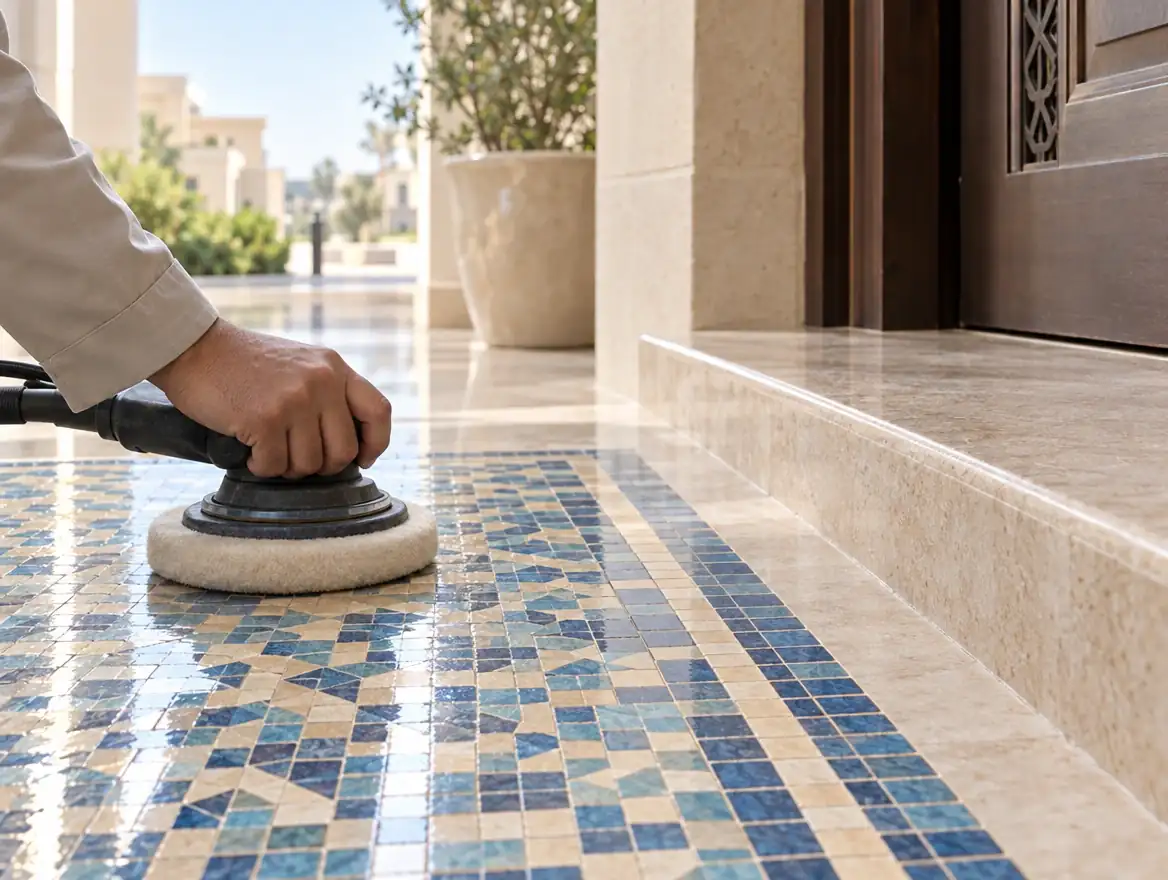
What does mosaic polishing cover?
Mosaic tiles are made of many small pieces bonded together with fine, closely spaced joints, and that is precisely what makes them behave differently from standard tiles. Dust, limescale from the hard water and soap residue settle into every joint and onto each piece's surface, building up a dull film that leaves the colours looking flat even after regular washing.
We handle mosaic polishing in a way that suits its nature, working on both the surface and the joints together. Call or message us on WhatsApp, tell us your district and where in your home the mosaic is, and we agree a time.
These are the steps and parts the work goes through, depending on the condition of the mosaic and where it is in your home.
- Surface check first
We start by checking the condition of the pieces, the joints and the type of deposits, because glass mosaic behaves differently from stone or ceramic mosaic.
- Limescale removal
the water is hard and leaves a limescale layer on the piece surfaces and inside the joints; we remove it before polishing starts because leaving it prevents an even result.
- Polishing the pieces
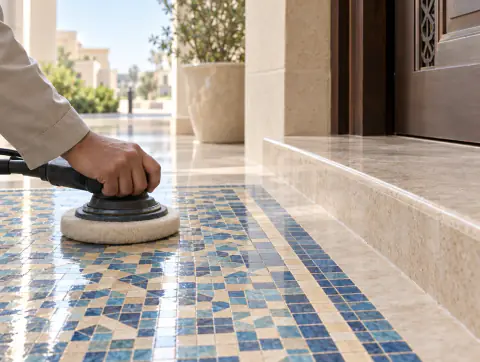
We polish the face of each piece to recover its sheen, taking into account the material, whether it is glass, ceramic or small natural stone.
- Cleaning the fine joints
The joints in mosaic are narrower and more numerous than in standard tiles and need targeted attention to remove the built-up dirt that a regular brush cannot reach.
- Walls and vertical surfaces
Mosaic is widely used on bathroom and kitchen walls, and we polish it in its vertical position in the way that suits that setting.
- Check after finishing
We run light across the polished surface to check that the colours are even and the sheen is consistent, and we confirm the joints are clean across the whole area.
Four steps, and done
- 1
Call or message us on WhatsApp
+966 54 084 3018 - 2
Tell us where the mosaic is
Tell us whether it is in the bathroom, kitchen or elsewhere, describe what you notice such as dullness or deposits, and give us your district.
- 3
We agree a time and you prepare
We settle on a time that suits you, and you clear the area of toiletries, utensils and anything else and leave the surface we are polishing fully accessible.
- 4
We polish and you check
We polish the surface and joints, then turn on full room light and check the evenness of the sheen, the colour of the pieces and the cleanliness of the joints before we leave.
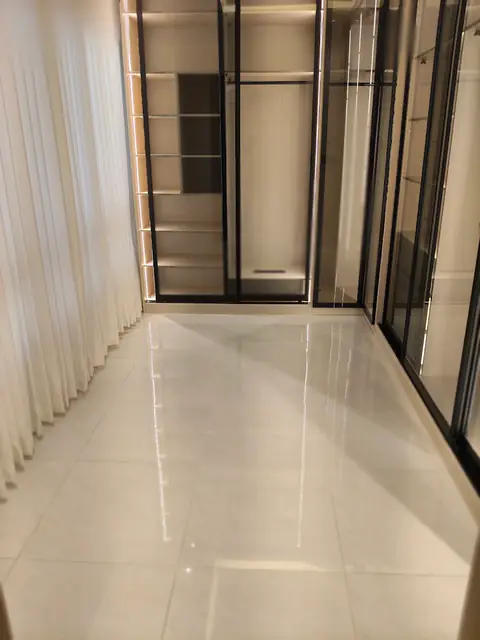
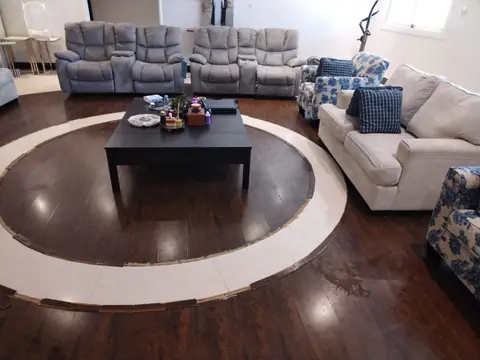
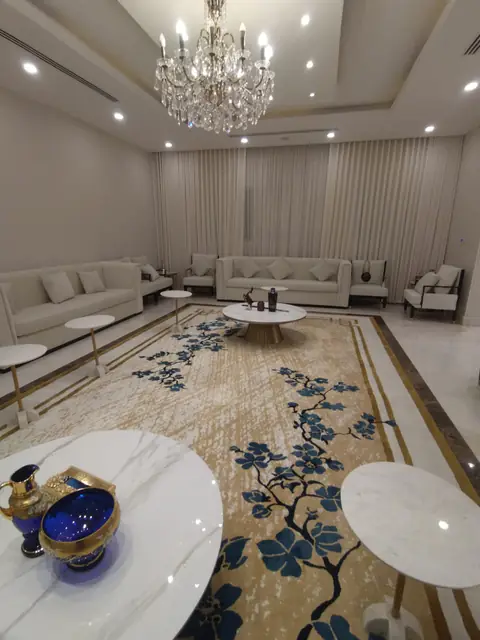
Some of our work
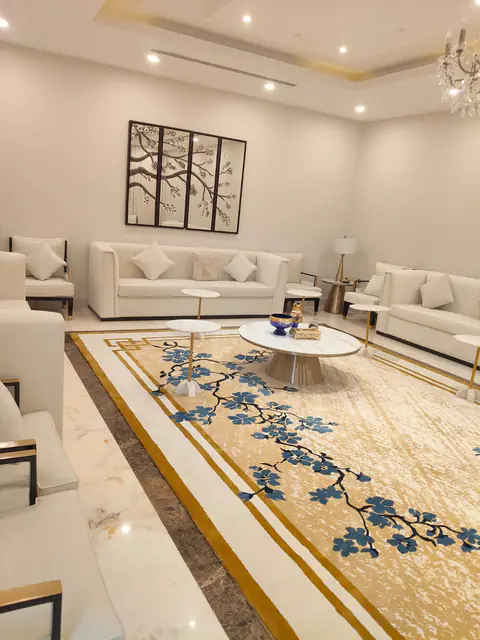
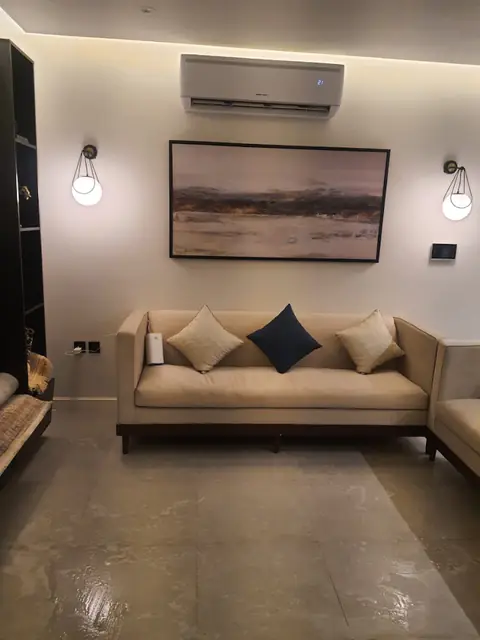
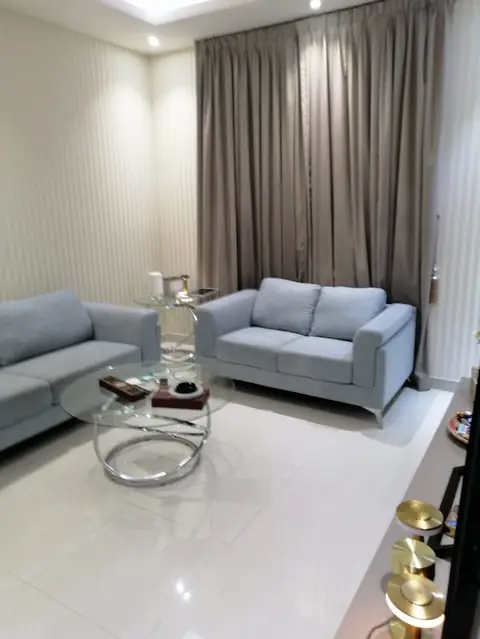
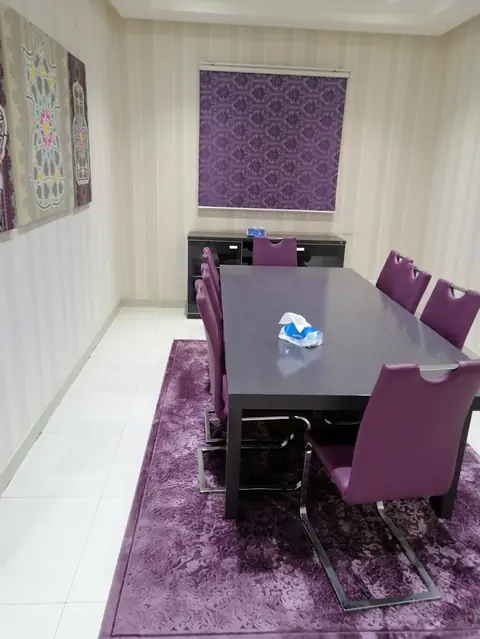
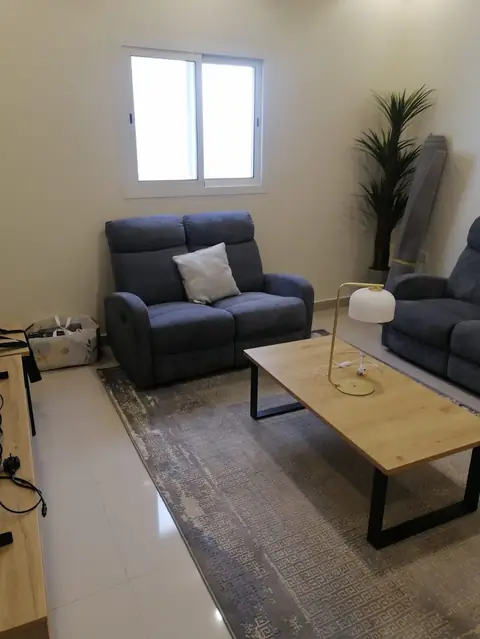
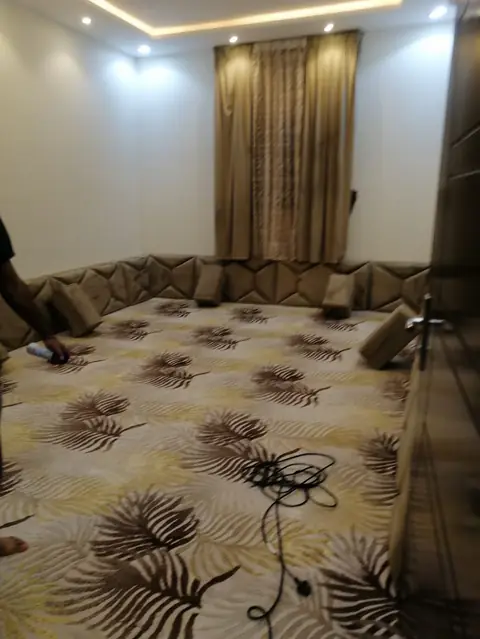
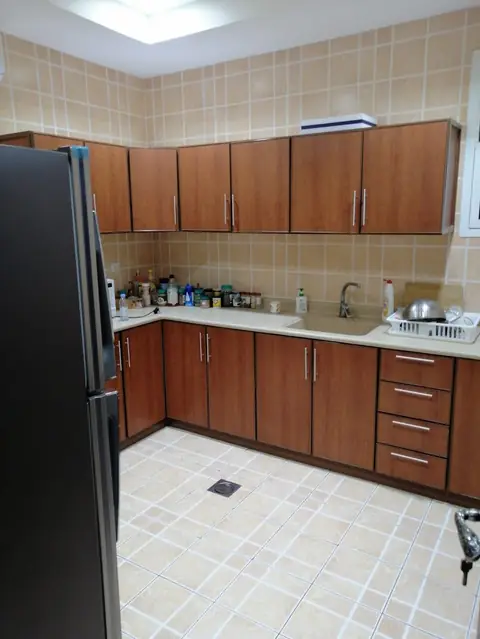
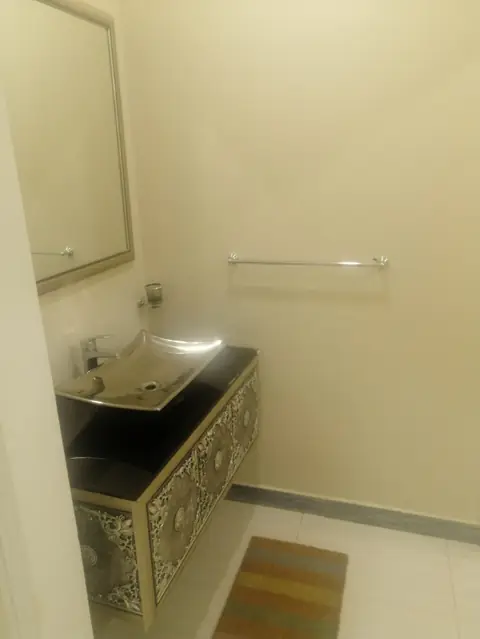
What our customers say
Real Google Maps reviews, word for word.
صراحة ممتازين جدا ويهتمون بأدق التفاصيل .. وجدا متعاونين الله يباركلهم .. من أفضل الشركات اللي تعاملت معاها
Google Maps شركة نظافة ممتازة يعطيكم العافيه
Google Maps يعطيكم العافيه.. شغل ممتاز يستاهلون ٥ نجوم
Google Maps
Questions about Mosaic polishing
How do I know my bathroom mosaic needs polishing and not just regular cleaning?
If the pieces look flat or dull after washing, or white deposits appear on the surface that water and cleaner cannot shift, the surface needs polishing. Regular cleaning removes surface dirt, but limescale that has settled onto the pieces themselves only comes off with polishing.
My mosaic is glass, is it polished the same way as ceramic mosaic?
No, glass mosaic is more sensitive to scratching than ceramic or stone, so the approach is different. When you call, tell us the type of mosaic because that determines the right method for its surface.
What changes the size of the job in mosaic polishing?
The area to be polished, whether it is a floor or a wall, the material type, the amount of limescale build-up and the condition of the joints all affect the size of the job. We agree on the details once you describe the situation to us.
Do I need to empty the bathroom fully before mosaic polishing?
No need to empty it completely, but it helps to remove cleaning products, tools and baskets from the work area, leave the walls or floor being polished fully accessible, and let us know if the surface is in a tight space or behind fixed fittings.
My bathroom mosaic looks patchy after washing, is limescale the cause?
Most likely yes. The water carries a high calcium level and leaves a faint white layer on some pieces more than others depending on where the water runs, which makes the colours look uneven. Polishing removes that layer and evens out the surface appearance.
More services under Tile & floor polishing