What does epoxy floor polishing cover?
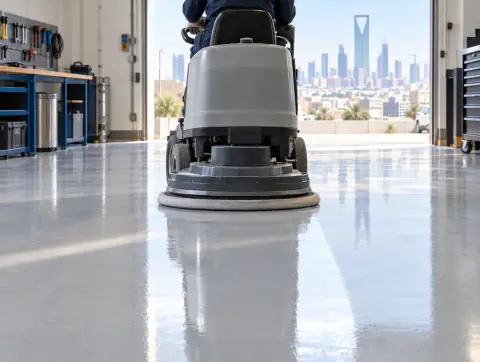
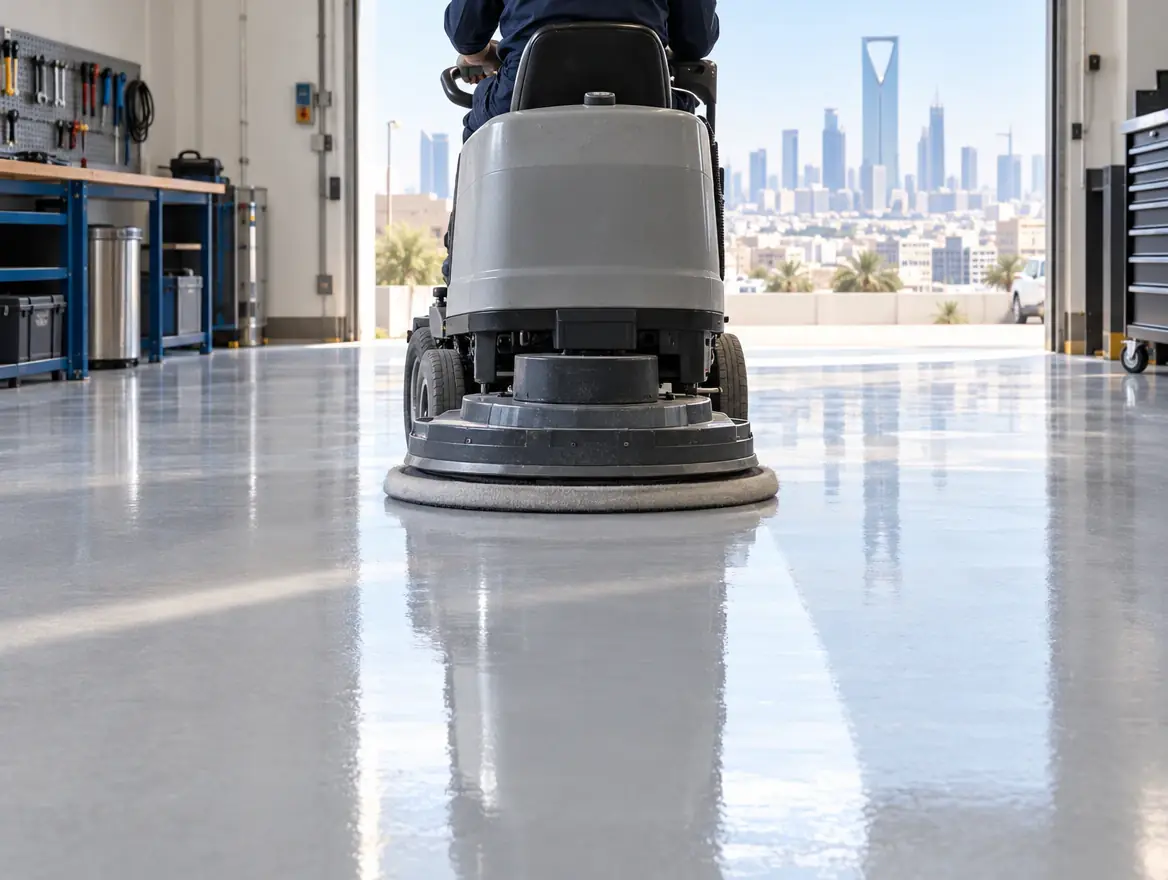
An epoxy floor is a resin layer poured over concrete or existing tile and left to harden. That layer reflects light and looks glossy at first, but it faces fine dust that scratches the surface, strong sun that shifts its colour over time, and foot traffic and furniture that dull its shine until the whole surface looks hazy or flat.
Call or WhatsApp us and tell us about the floor's condition and which district you are in, and we agree a time. Before the appointment, clear the area of furniture and let us know whether the floor is indoors or in an exposed space, as that affects how the work goes and what the surface needs.
These are the steps the work goes through on an epoxy floor, depending on the surface condition and what you notice on it.
- Surface check first
We examine the layer to locate scratches, haze and stains, so we know what each area needs before work begins.
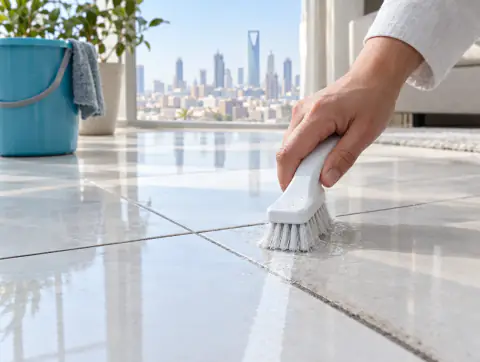
- Dirt and stain removal
We clean the surface of dust, grease marks and deposits before polishing, as any residue left under the machine scratches the surface or blocks the polish.
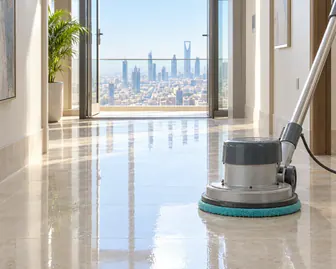
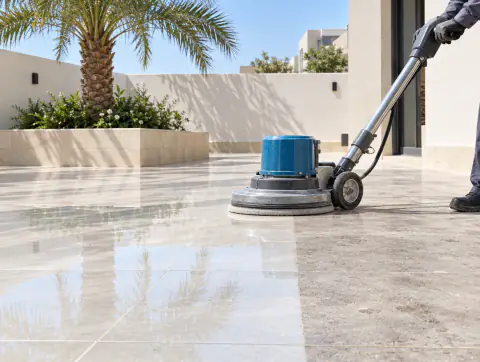
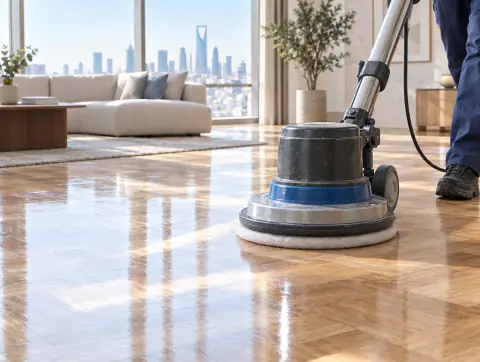
- Polishing the epoxy layer
We polish the layer with tools suited to the hardness and finish of epoxy, which differs in density from tile or marble and needs a different approach.
- Light scratch treatment
Shallow scratches in the epoxy layer reflect light unevenly and look noticeable; they are treated in the polishing stage before the surface is finished.
- Edges and corners
We work the edges and corners carefully, as they are sometimes missed and can stay visibly dull after the main floor area is done.
- Shine check after finishing
We check that the shine is even across the whole surface before leaving, and we tell you what we noticed in the layer so you know the condition of your floor.
Four steps, and done
- 1
Call or message us on WhatsApp
+966 54 084 3018 - 2
Tell us about the floor
Describe what you notice: haze, scratches or stains, where in the home the floor is, and which district you are in.
- 3
We agree a time
We agree a time that suits you, and you clear the area of furniture and tell us if the space is enclosed or open so we can prepare.
- 4
The work and the check
We polish the surface and treat scratches and stains, then check the shine with you at the end and tell you what we found in the layer.
Some of our work
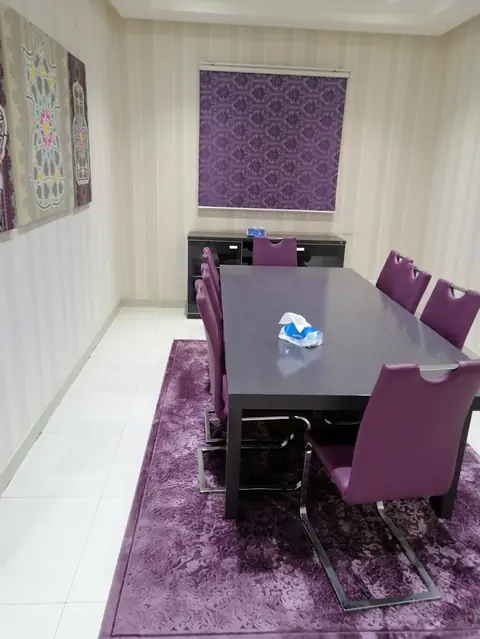
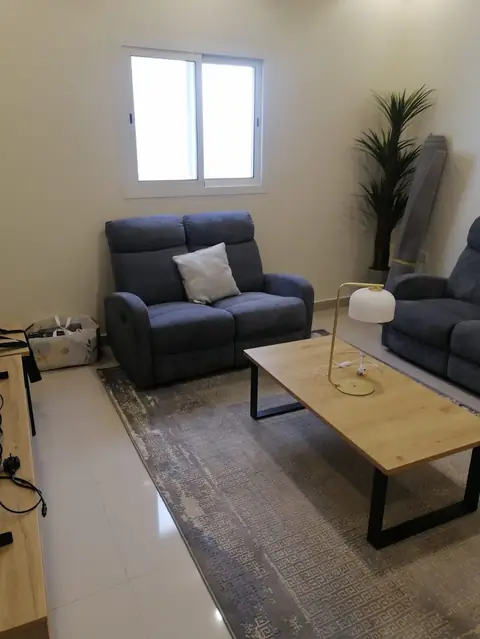
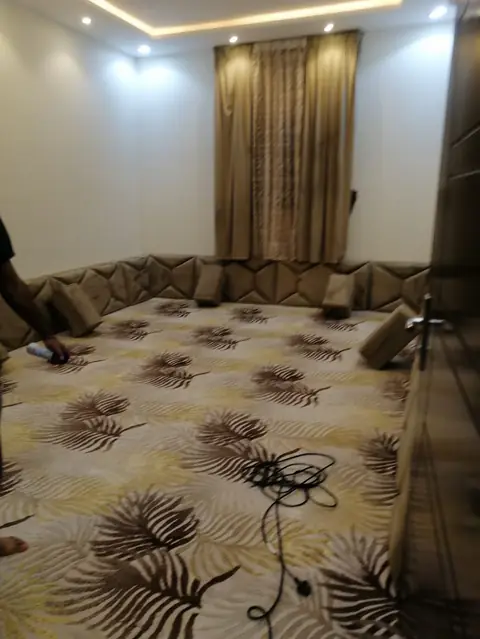
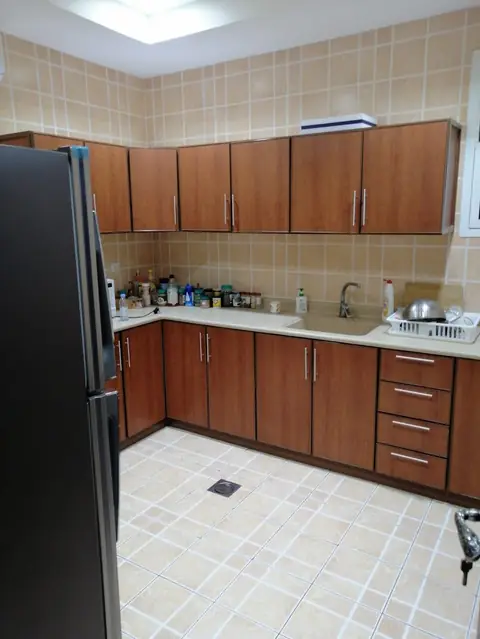
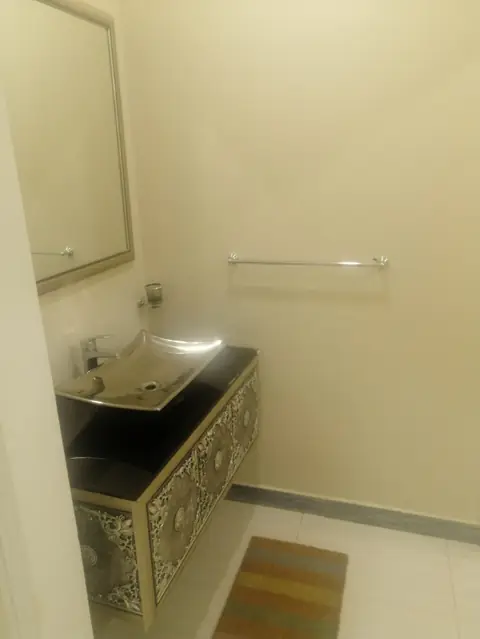
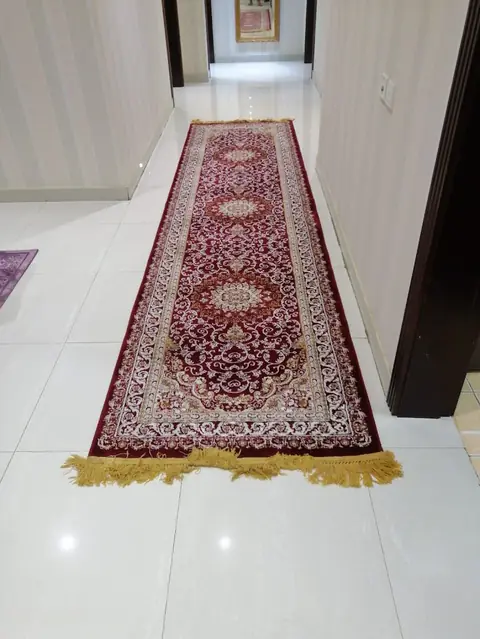
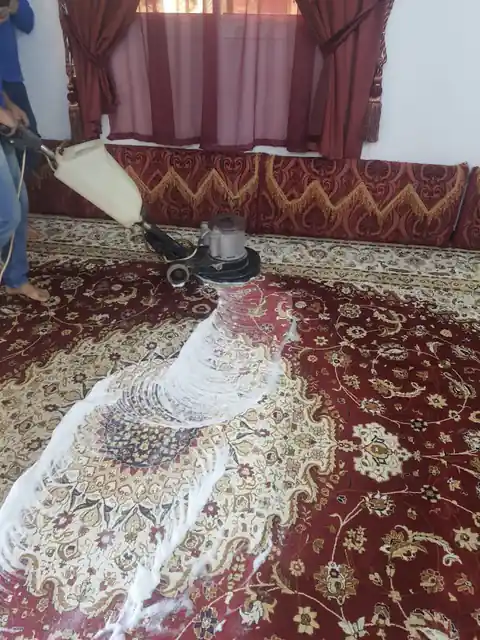

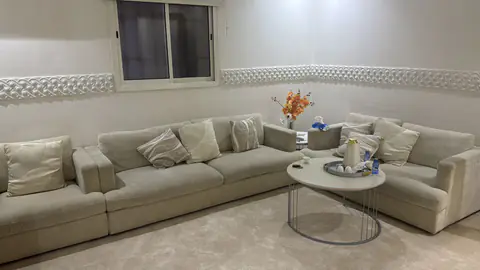
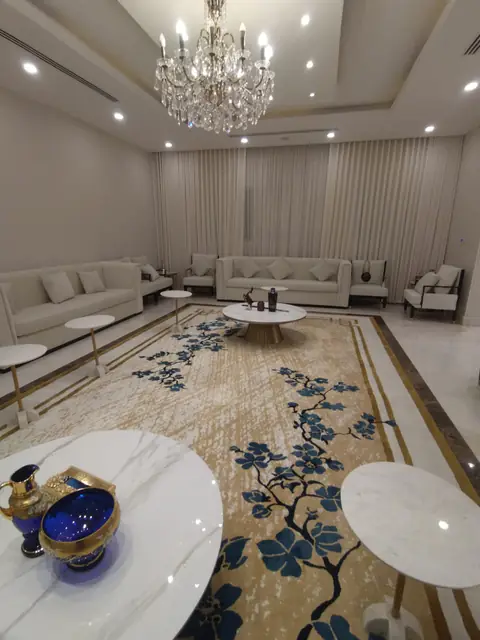

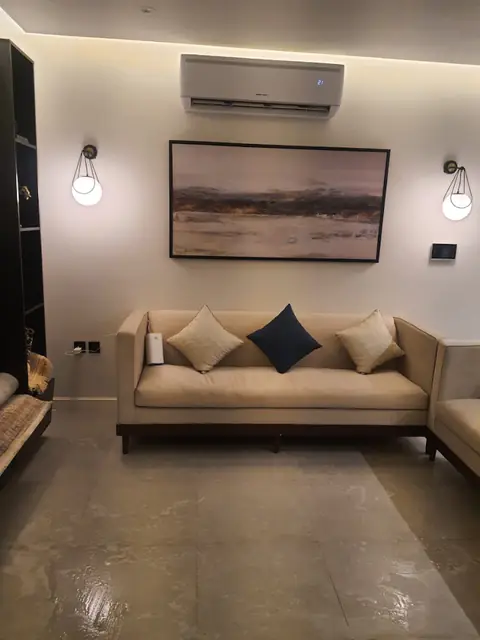
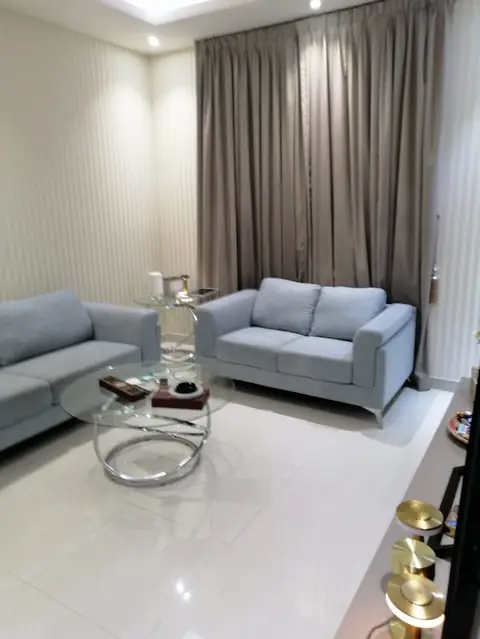
What our customers say
Real Google Maps reviews, word for word.
شركة نظافة ممتازة يعطيكم العافيه
Google Maps يعطيكم العافيه.. شغل ممتاز يستاهلون ٥ نجوم
Google Maps افضل عمال وتنظيف روووعة يعطيكم العافية
Google Maps
Questions about Epoxy floor polishing
How do I know my epoxy floor needs polishing?
Signs include a surface that looks hazy and no longer reflects light as it used to, shallow scratches that reflect light at an angle, or stains that do not come off with regular cleaning. Fine dust speeds up this wear because it acts like fine sandpaper under feet and furniture.
What changes the size of the job for epoxy floor polishing?
The area of the floor, the depth of scratches in the layer, the amount of grease or settled deposits, and whether the floor is indoors or exposed to sun all affect the job. We ask about all of this when you call so we can agree on what suits your floor's condition.
My epoxy floor is in a garage, is it polished the same way as an indoor floor?
A garage epoxy floor faces heavier loads, oil and fuel stains, and more heat than an indoor floor, which means the layer wears differently and may need different treatment. When you call, tell us where the floor is and what you notice so we can decide what it needs.
Do I need to clear the whole room before the epoxy polishing appointment?
Yes, it is best to clear the area completely of furniture and items before the appointment, as polishing needs access to the full surface including edges and corners. If there are heavy pieces you cannot move, tell us when you call so we can account for that.
My epoxy floor has white marks after washing, does that affect the polishing?
White marks on epoxy after washing are usually limescale from water or cleaning product residue, and they differ from scratches in the layer itself. We examine the surface first to see whether they are deposits sitting on the layer or a change within the layer, and that determines what the surface needs.
More services under Tile & floor polishing