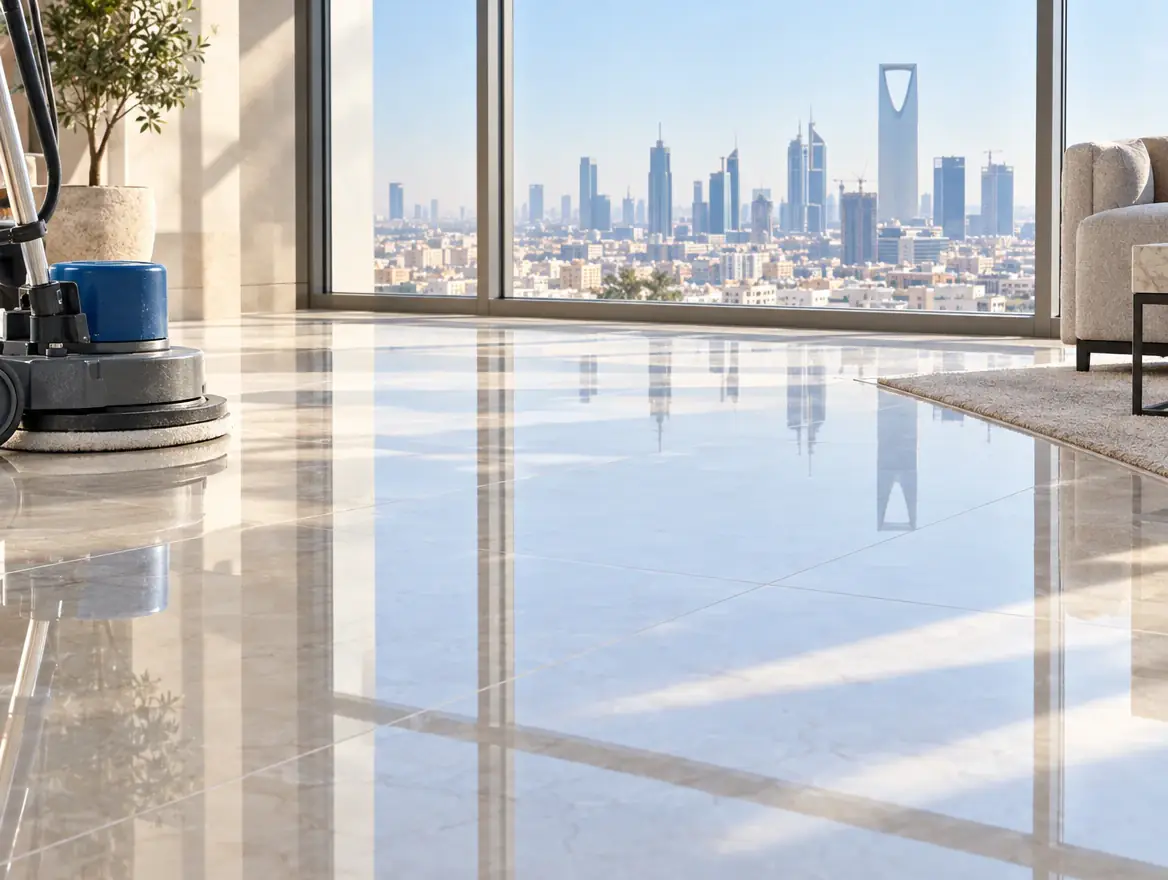
What does porcelain polishing cover?
Porcelain is a dense, hard material, but its polished surface is affected over time by a thin layer of calcium and mineral salts left by water, and by fine scratches made by furniture legs or foot traffic. This layer masks the original gloss, and a wet mop or standard cleaner will not remove it, because the cause is a change in the surface itself, not ordinary dirt.
Tell us your district, the type of floor, the approximate area and what you notice, and we will agree a time with you. We handle the polishing and buffing and leave you a floor that reflects the light as it should.
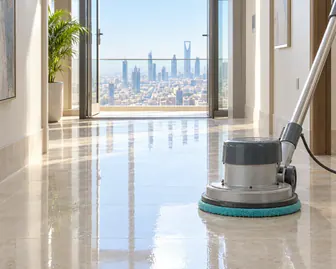
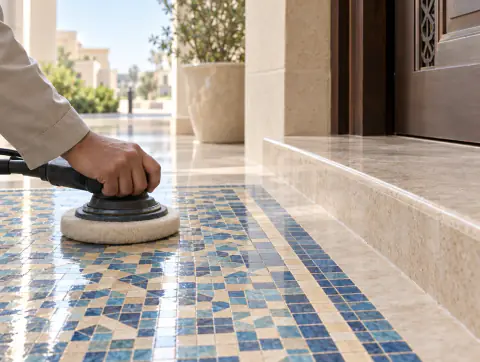
These are the parts and steps the work goes through on porcelain floors and surfaces, depending on the condition and what you notice.
- The tile face
We start by cleaning the tile face of surface dirt and greasy residue before polishing, because any remaining material interferes with the polishing process and weakens the result.
- Calcium and mineral layer
tap water carries a high concentration of mineral salts, and a white or grey film builds up on porcelain and clouds the surface. We remove it during the polishing stage.
- Fine surface scratches
Fine scratches left by furniture or grit break up the surface and cause uneven reflection. They are treated by gradual polishing until the surface levels out.
- Grout lines
We clean the grout lines around each tile during the job, because dirt in them shows clearly once the tile surface beside them is polished.
- Final buff
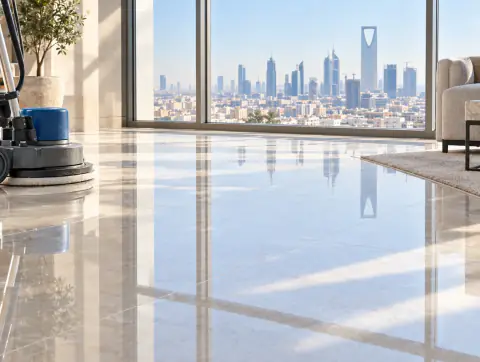
After polishing we buff the surface to close fine pores and restore the tile's original gloss. This is the step the resident notices when the floor begins to reflect the light again.
- Corners and edges
Corners and tile edges beside walls or fixed furniture need separate attention because the main tool cannot reach them. We clean them by hand to keep the finish consistent.
Four steps, and done
- 1
Call or message us on WhatsApp
+966 54 084 3018 - 2
Tell us what you notice
Tell us whether you see cloudiness, scratches or stains, which room or area is affected, your district, and the approximate area of the porcelain floor.
- 3
We agree a time
We settle on a time that suits you, and you clear the room of light furniture and rugs and leave us a clear path to reach the floor.
- 4
We start the work
We clean the surface, then polish and buff it. Afterwards, check the floor in natural light to confirm the gloss is even and the cloudiness and stains are gone.
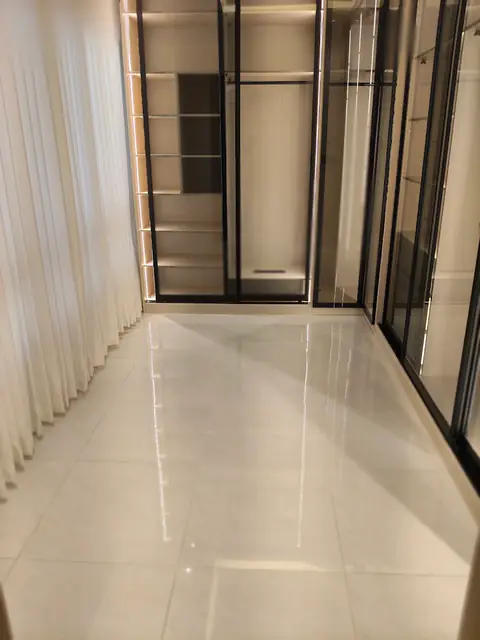
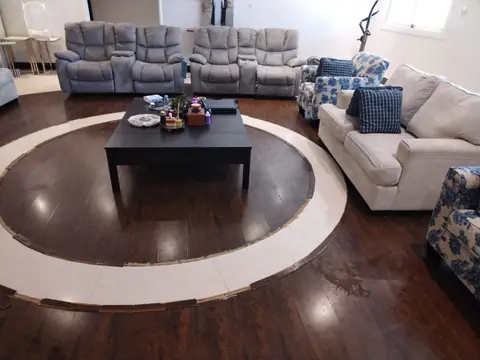
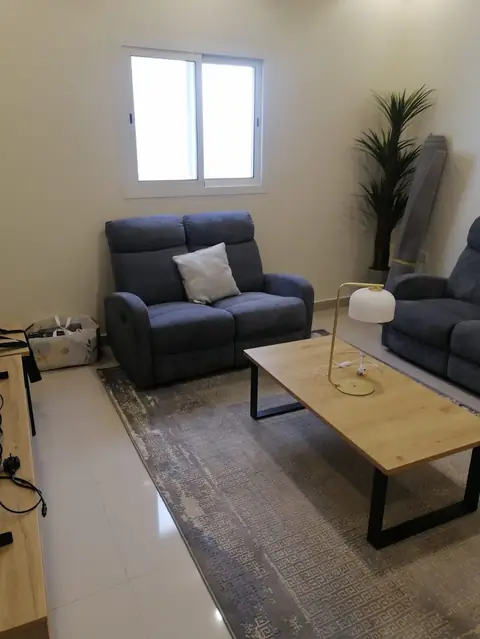
Some of our work
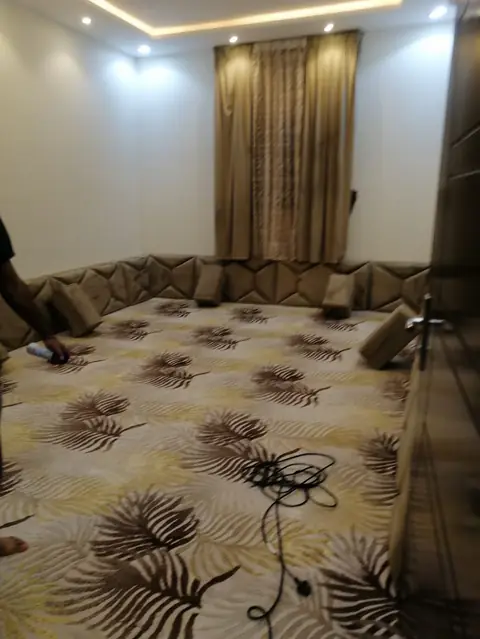
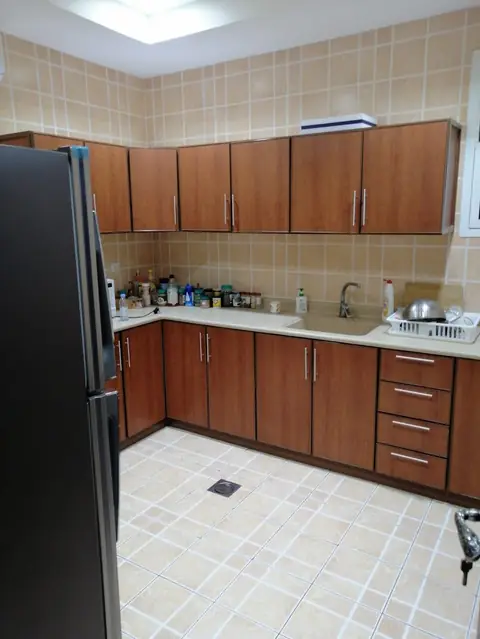
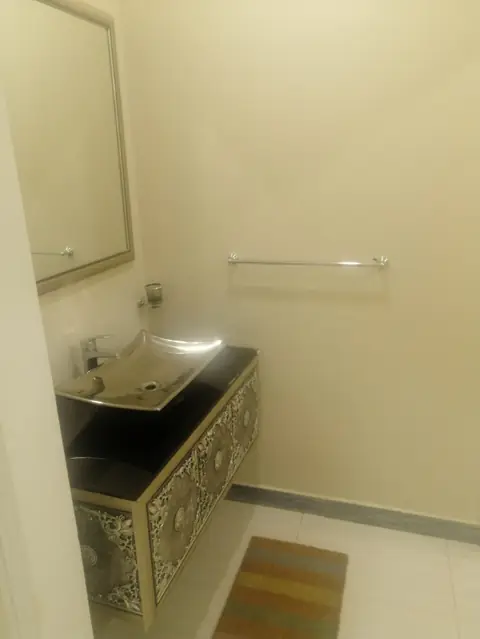
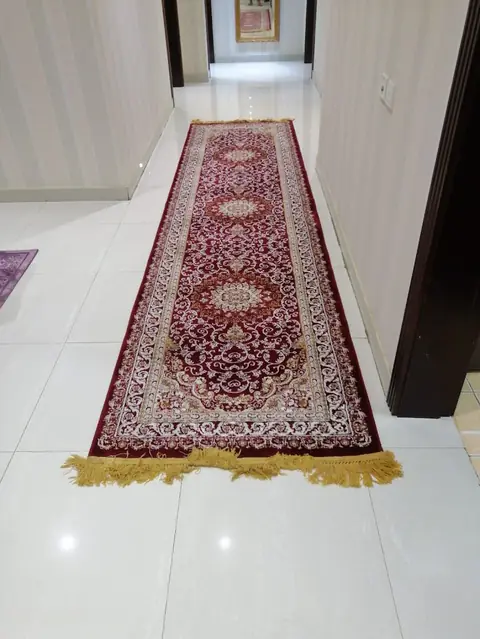
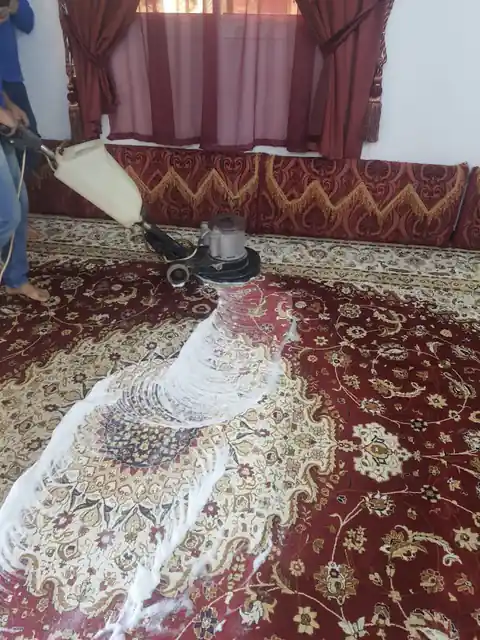

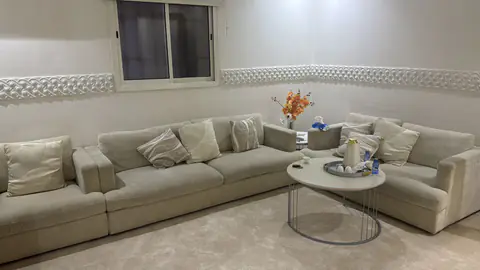
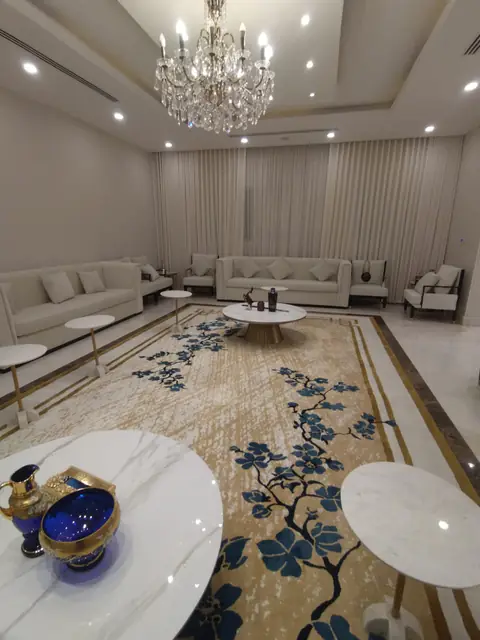

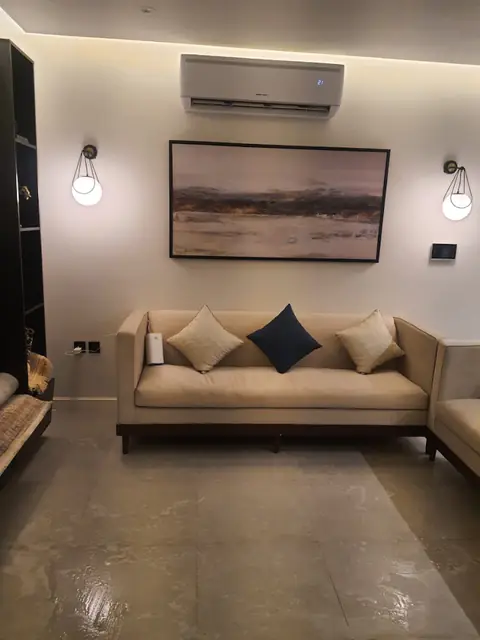
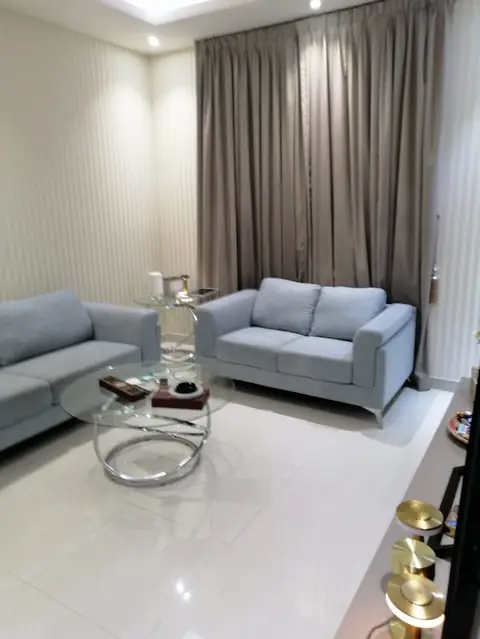
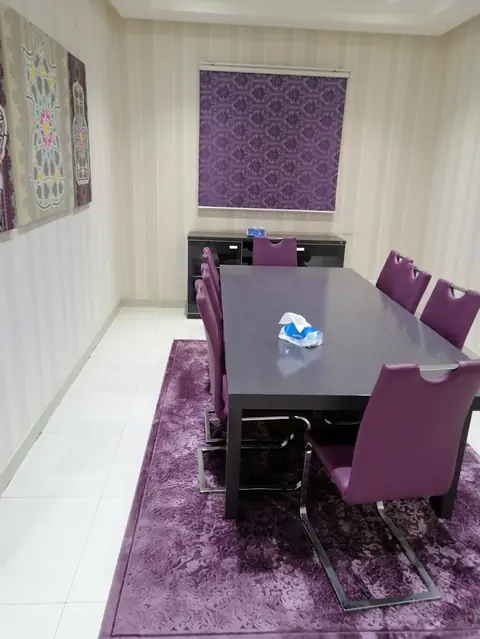
What our customers say
Real Google Maps reviews, word for word.
صراحة ممتازين جدا ويهتمون بأدق التفاصيل .. وجدا متعاونين الله يباركلهم .. من أفضل الشركات اللي تعاملت معاها
Google Maps يعطيكم العافيه.. شغل ممتاز يستاهلون ٥ نجوم
Google Maps شركة نظافة ممتازة يعطيكم العافيه
Google Maps
Questions about Porcelain polishing
My porcelain looks cloudy and I am not sure if it needs polishing or just a regular clean, how can I tell?
Try wetting the cloudy patch with water. If the gloss returns while it is wet and disappears when it dries, the cause is dust or salt deposits that a mop can remove. If the cloudiness stays even when wet, the cause is fine scratches or a calcified layer in the surface itself, and polishing is what is needed, not cleaning.
How do I prepare my kitchen or bathroom before the porcelain polishing appointment?
Clear the floor of rugs, mats and any furniture that can be moved. In the kitchen, shift chairs and movable tables. In the bathroom, remove baskets, mats and small items. Tell us about any fixed furniture or appliances that cannot be moved so we can plan the work around them.
What should I check on the porcelain floor after the polishing is done?
Check the floor in natural light or under direct lighting. The gloss should be consistent from one angle to another, with no cloudy patches or visible scratches. Look at corners and areas beside fixed furniture, and make sure the grout lines are clean and do not break up the even look.
What affects the scope of work in porcelain polishing?
The total floor area, the surface condition in terms of scratch depth and deposit thickness, and the ease of reaching corners and tight spaces all affect the scope. A floor that has not been polished for a long time also differs from one that has been maintained at regular intervals. We go through these details with you when you call.
The porcelain tiles on my bathroom wall look dull, can they be polished like floor tiles?
Yes, porcelain wall tiles are affected by steam, water and soap deposits in the same way as floor tiles, and a calcium layer and stains can cloud the surface. The polishing differs slightly in technique because the wall is vertical and reaching it needs different handling. The details are agreed when you call and describe what you see.
More services under Tile & floor polishing