What does fuel-tank cleaning cover?
A fuel tank works out of sight, and over time a layer of water, fine dirt and particles settles on the floor. Some of this comes in with the fuel, and some forms from condensation on the metal walls. The layer turns into a dark sludge that blocks filters, strains the fuel pump and sends particles into the generator or the machinery it feeds.
Call or WhatsApp us, tell us your fuel tank's size, where it is and what you have noticed, and we agree a time to empty and clean it.
These are the parts the cleaning covers, depending on the condition of the tank and the type of fuel it holds.
- Emptying the tank
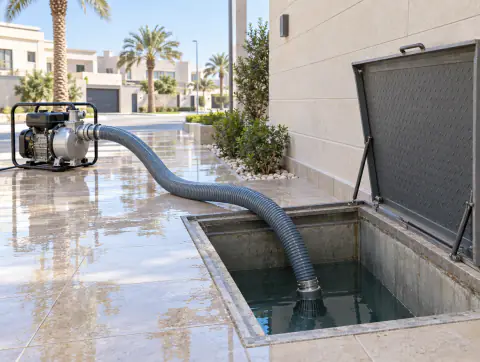
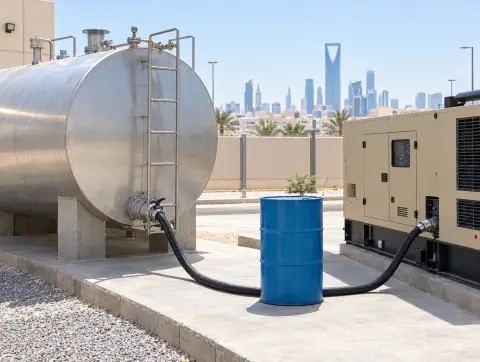
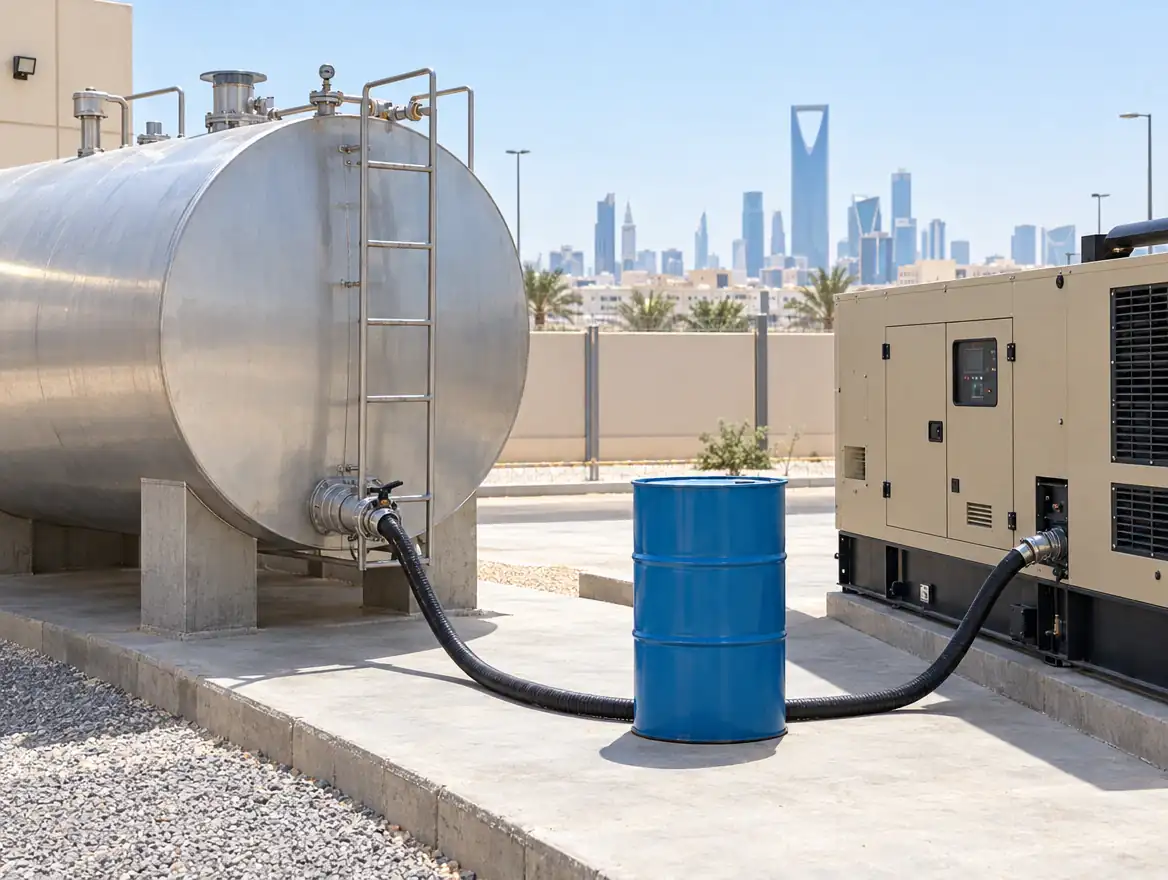
The remaining fuel is pumped out into a clean container before cleaning starts, because the liquid at the bottom carries most of the sludge and accumulated water.
- The tank floor
Water, sludge and sediment collect on the floor first, so cleaning begins there by removing the solid or viscous layer that has formed.
- Internal walls
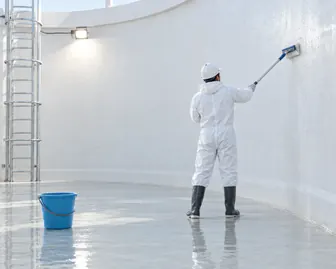
The inner metal or plastic walls are cleaned to remove rust traces, staining and the sticky film that forms on the surface over time.
- Drain port and outlet
The bottom drain port and the outlet pipe are checked and cleared of any built-up residue, because blockage there prevents the tank from being fully emptied later.
- Tank lid and openings
The lid and access openings are checked to confirm they are in good order and not letting in dirt or water from outside.
- Final rinse
The tank is rinsed inside after the residue is removed, to clear any remaining traces before the fuel goes back in or the tank is refilled.
Four steps, and done
- 1
Call or message us on WhatsApp
+966 54 084 3018 - 2
Tell us what you notice
Tell us the approximate tank size, the type of fuel, where the tank is, and what prompted you to call, whether a blockage, a smell or a drop in performance.
- 3
We agree a time and preparation
We settle on a time that suits you, and you make sure the tank is accessible and any obstacles around the access point are cleared before the appointment.
- 4
Cleaning and check
We empty the tank, clean the floor, walls and ports, and rinse it through. After it is back in use, check the fuel filter to confirm what reaches the engine or generator is clean.
Some of our work















What our customers say
Real Google Maps reviews, word for word.
شركة نظافة ممتازة يعطيكم العافيه
Google Maps يعطيكم العافيه.. شغل ممتاز يستاهلون ٥ نجوم
Google Maps افضل عمال وتنظيف روووعة يعطيكم العافية
Google Maps
Questions about Fuel-tank cleaning
How do I know my fuel tank needs cleaning?
Common signs are a fuel filter that keeps blocking, a generator or machine running poorly with no obvious engine fault, or fuel that looks dark or smells unusual when you check it. If the tank has not been cleaned in a long time, having it inspected is a sensible step.
What causes fuel to become contaminated inside the tank?
Water is the main cause: it enters with the fuel at each fill, or it forms from moisture condensing on the metal walls, especially with the temperature swings between hot summer days and cooler nights. Over time the water helps bacteria grow and form the dark sludge that settles on the floor.
What should I prepare before the fuel-tank cleaning appointment?
Make sure the tank is accessible and that nothing is blocking the access point. If the tank feeds a generator or a machine, tell us when you call, because the timing of emptying the fuel is agreed in advance to fit your need to keep running during the job.
Does the cleaning change depending on the tank type or fuel type?
Yes, the type of fuel, the size of the tank, whether it is metal or plastic, and how much sludge has built up all affect how the job is done. That is why we ask for these details when you call, so we can agree on the right approach for your tank.
Should a fuel tank be cleaned after a generator sits unused for a long time?
Usually yes, because stale fuel breaks down over time and leaves a sticky residue on the walls and floor, and it encourages algae and bacterial growth especially if water has entered the tank. After a long period of no use, checking the tank before running the generator again is a sensible step that protects the engine.
More services under Water tank cleaning