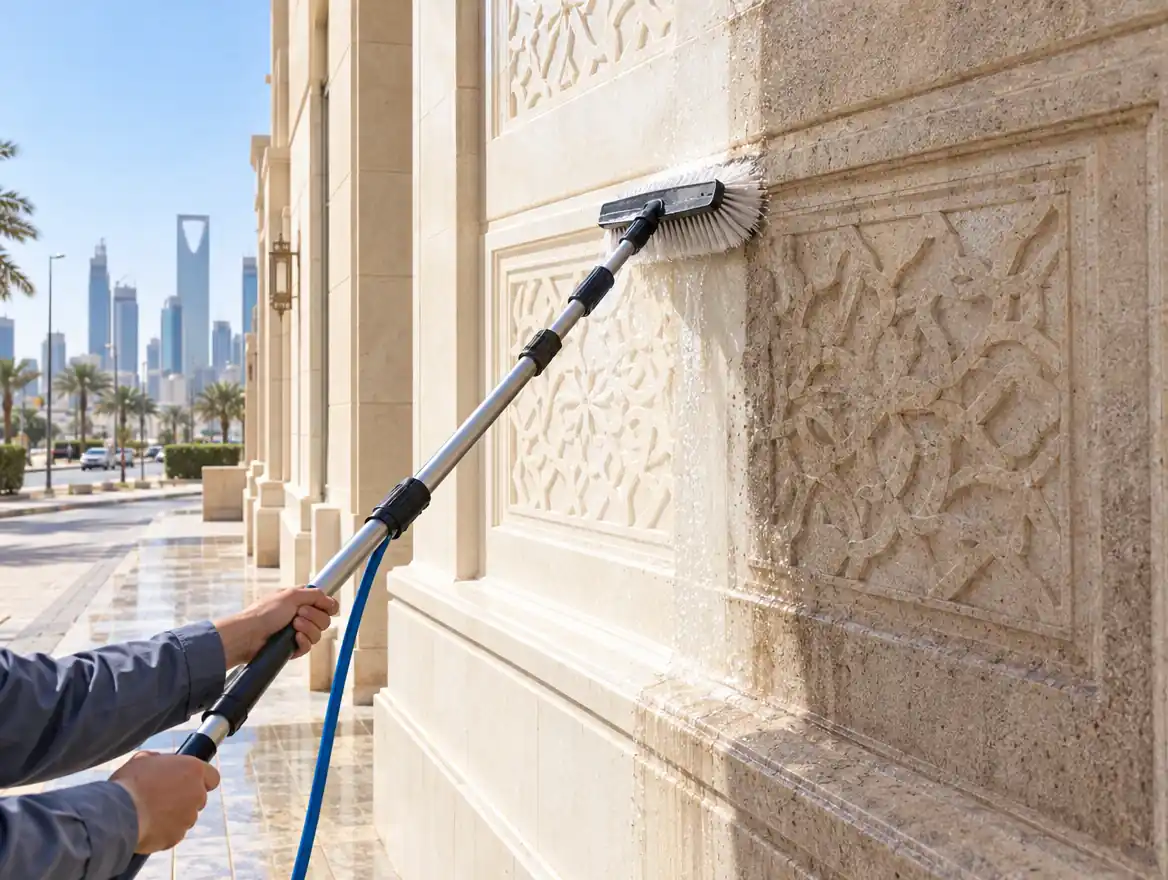
What does stone facade cleaning cover?
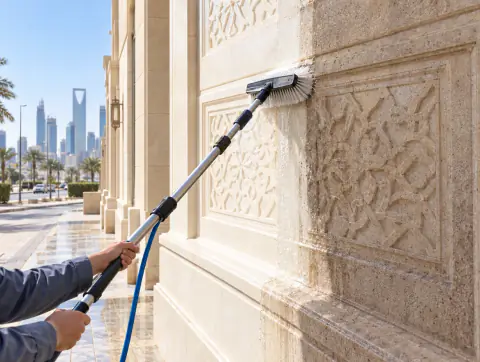
Stone is a porous material, whether natural like limestone or sandstone, or manufactured. The fine dust and intense summer heat push particles and mineral salts into the stone's pores. The result is yellow or orange spots where iron compounds have oxidised, white patches where salts have crystallised on the surface, and sometimes a green film of algae in shaded corners.
We handle stone facade cleaning by first assessing the stone type and the nature of the staining, then removing surface deposits and deeper marks, and finishing with a rinse and a check of the result with you. Call or message us on WhatsApp, tell us your district and a description of the facade, and we agree a time.
These are the parts and stages stone facade cleaning goes through, depending on the stone type and the condition of the surface.
- Identifying the stone
We start by identifying whether the stone is limestone, sandstone, basalt or manufactured, because each type has a different porosity and requires a different cleaning approach.
- Dust and loose debris
the fine dust and sand settle on stone facades in layers that dull the original colour of the stone, and we remove them from the surface before treating any stains.
- Rust and oxidation marks
Rust marks come from fixings or reinforcing iron near the stone, spreading through its pores with moisture. We treat them in a way suited to the stone type so the surface is not damaged.
- White salt deposits
Mineral salts come out from inside the stone or from nearby irrigation water and crystallise as a white layer on the surface. We remove them without opening the stone's pores further.
- Algae and discolouration
In shaded corners and near pipes, a green or black film grows on stone where moisture collects. We remove it and note the moisture source if it is visible.
- Rinsing and checking
We rinse the facade after cleaning and check the surface with you to confirm the stains are gone and the stone colour has returned to what it should be before we leave.
Four steps, and done
- 1
Call or message us on WhatsApp
+966 54 084 3018 - 2
Describe the facade
Tell us the stone type if you know it, the kind of marks you see, whether rust, white patches or discolouration, and which district you are in.
- 3
We agree a time
We settle on a time that suits you. Close any windows that face the facade and move pots or furniture away from the area to be cleaned.
- 4
Cleaning and checking
We clean the facade stage by stage, from removing dust to treating stains and rinsing, then we check the surface with you and point out any marks worth watching.
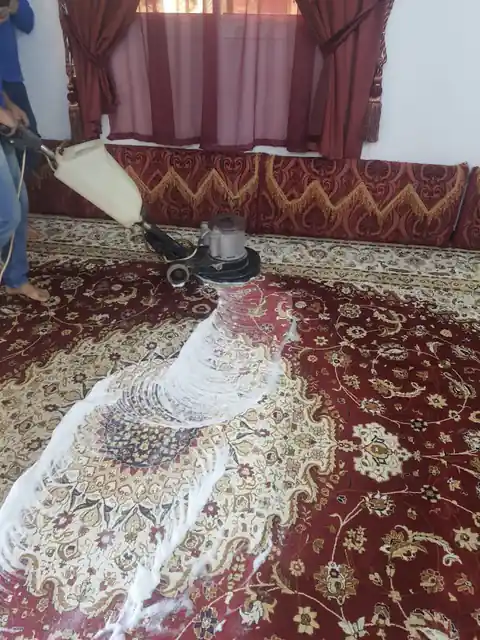
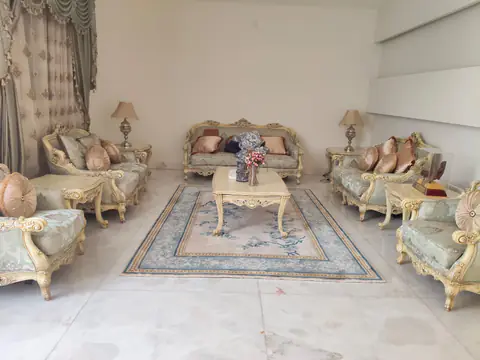
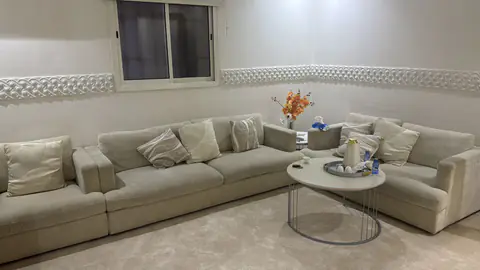
Some of our work

What our customers say
Real Google Maps reviews, word for word.
يعطيكم العافيه.. شغل ممتاز يستاهلون ٥ نجوم
Google Maps شركة نظافة ممتازة يعطيكم العافيه
Google Maps افضل عمال وتنظيف روووعة يعطيكم العافية
Google Maps
Questions about Stone facade cleaning
How do I know my stone facade needs cleaning and not just rain?
Rain does not remove orange rust marks, white salt deposits or green algae. If those marks remain after the rainy season or appear in specific spots on the facade, the material has gone into the stone's pores and needs direct treatment.
Does the stone type change how it is cleaned?
Yes. Limestone and sandstone are more porous and more sensitive than basalt or granite, and each type needs a different treatment approach. That is why we ask about or describe the stone type with you when you call, before agreeing on the details.
What should I prepare before the stone facade cleaning starts?
Close windows that face the facade from inside, move furniture and plants away from the side to be cleaned, and let us know where any outdoor water taps are so we can use them when rinsing.
What should I check on the stone facade after the cleaning?
Check the spots where rust, salt or algae marks were and confirm they have gone or clearly improved. Look at corners and edges where deposits gather. If you see a mark that has not improved, tell us before we leave.
Can rust stains on stone be removed without changing the surface colour?
Usually yes, if the mark is treated in the way that suits the stone type. However, stone that has held a rust stain for a long time may keep a faint trace, depending on how deep it has gone and the stone type. We point this out when we examine the facade with you before starting.
More services under Facade cleaning