What does fly control cover?
Flies lay their eggs in damp organic matter: food scraps in a bin, greasy residue at the bottom of a drain, waste collecting in a corner of the yard. Where summer heat is intense and dust is constant, the fly life cycle finds warm conditions very favourable, and a fly can develop from egg to adult in a short time when the right organic material is present.
Tell us what you are noticing and which district you are in, and we locate the breeding sources in the kitchen, drains and yard before agreeing a treatment time with you. Call or WhatsApp us and leave the rest to us.
These are the spots and surfaces the inspection and treatment go through, depending on what you notice and the layout of your home.
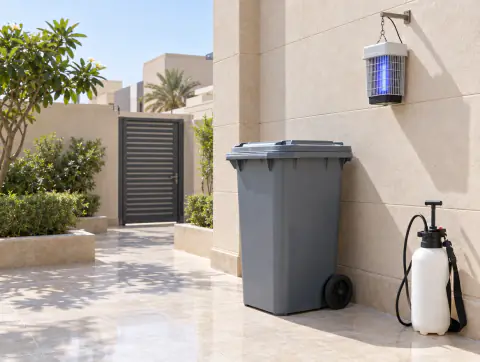
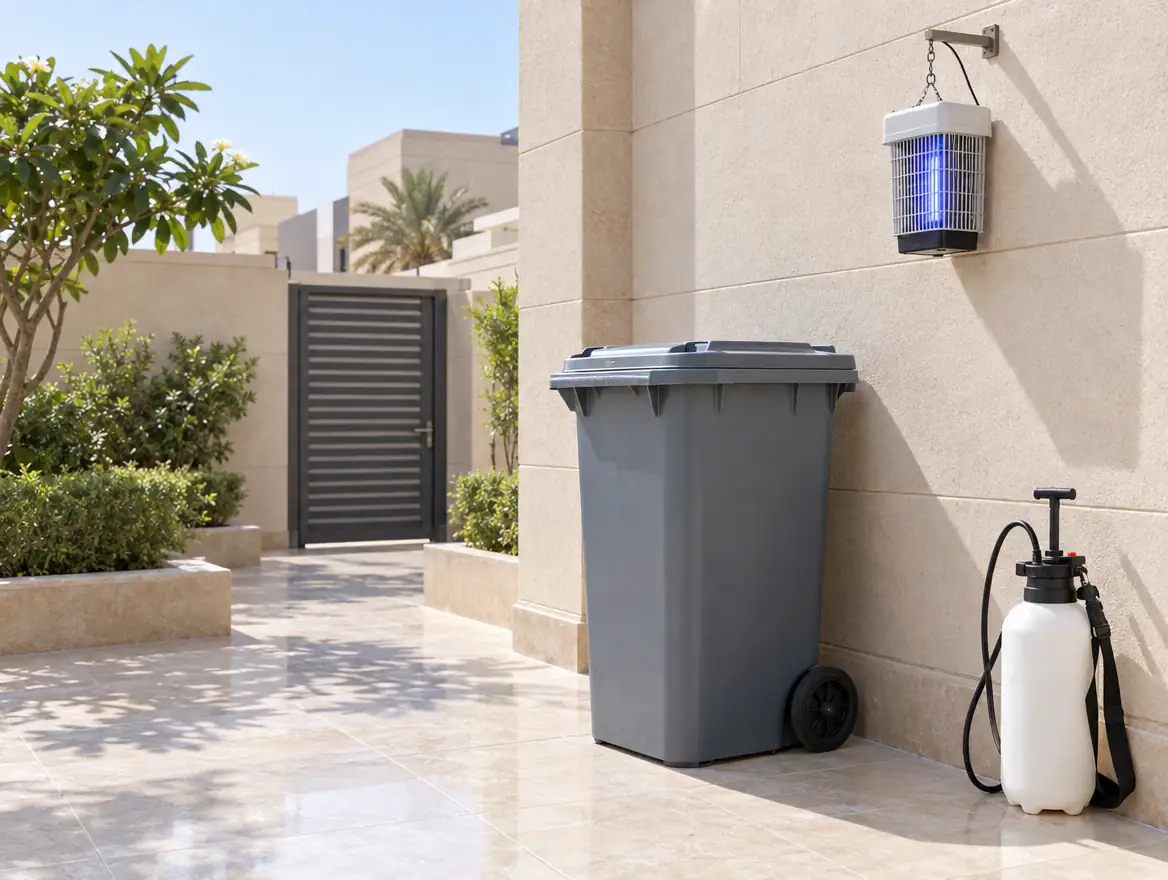
- Bins and their surroundings
Organic residue at the bottom of a bin or on its inner wall is the first place the inspection checks, because flies lay eggs in decomposing matter.
- Drains and kitchen sinks
Grease and organic residue build up inside kitchen drain pipes and create a suitable environment for small fly breeding; these points are inspected and treated.
- Outdoor yard and garden
Rotting plant matter, damp irrigation spots and food waste in the yard draw flies from outside; these areas are inspected because they are often where the real problem starts.
- Entry points and openings
Gaps in window and door frames and uncovered drain openings are regular fly entry routes; these are flagged so you can seal them.
- Food storage areas
Overripe or exposed fruit and uncovered food in the kitchen attract indoor flies; this area is inspected to find what is keeping flies inside the home.
- Horizontal surfaces and shelves
Flies rest on horizontal surfaces and leave deposits on them; these surfaces are checked to gauge how widely flies have spread indoors and to find the most active spots.
Four steps, and done
- 1
Call or message us on WhatsApp
+966 54 084 3018 - 2
Tell us what you notice
Tell us where flies are gathering in your home, whether in the kitchen, the yard or several spots, and which district you are in.
- 3
We agree a time and you prepare
We settle on a time that suits you; it helps to empty the bins, wipe kitchen surfaces and make the yard and drains accessible before we arrive.
- 4
Inspection and treatment
We locate the breeding and gathering sources, treat them, then tell you which spots we found so you can keep them clear and reduce the chance of flies returning.
Some of our work
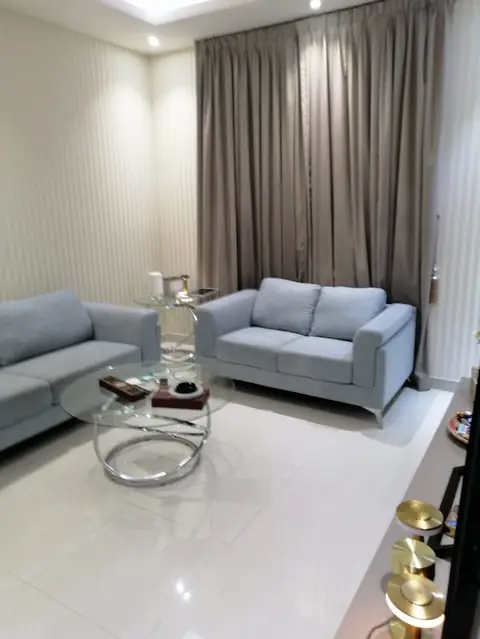
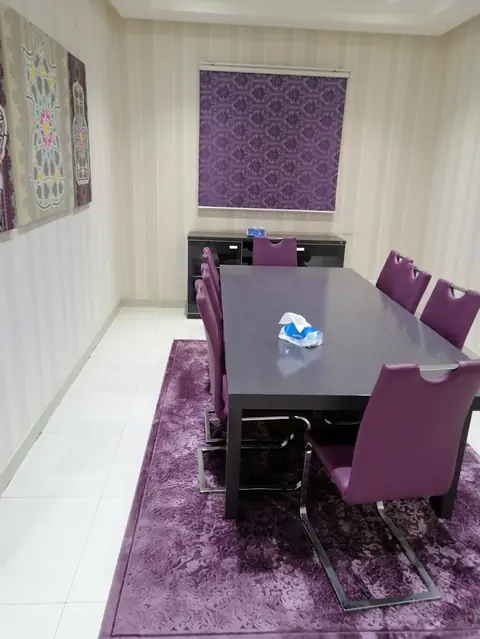
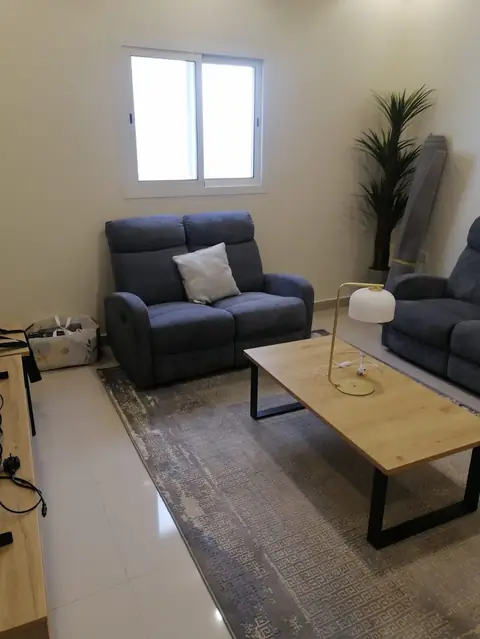
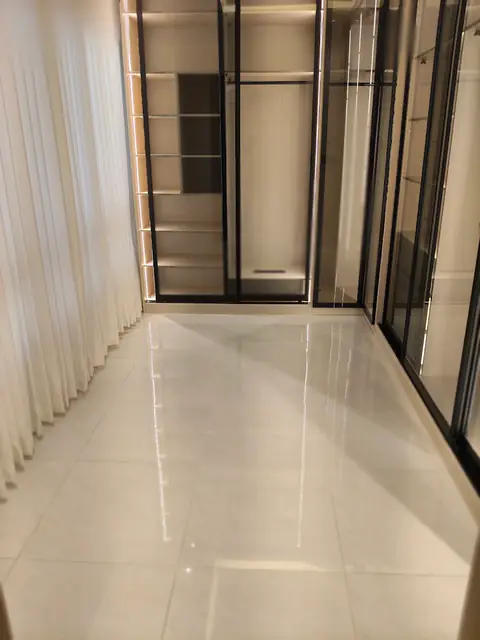




What our customers say
Real Google Maps reviews, word for word.
صراحة ممتازين جدا ويهتمون بأدق التفاصيل .. وجدا متعاونين الله يباركلهم .. من أفضل الشركات اللي تعاملت معاها
Google Maps افضل عمال وتنظيف روووعة يعطيكم العافية
Google Maps يعطيكم العافيه.. شغل ممتاز يستاهلون ٥ نجوم
Google Maps
Questions about Fly control
How do I know the fly source is inside my home and not coming from outside?
If flies consistently gather in one spot such as the kitchen or near a bin, the source is likely inside. If they come in through windows or an outer door intermittently, the source is more likely outside. Often it is a mix of both, which is why the work starts with an inspection indoors and out.
Is the small fly in my kitchen different from the common fly?
Yes, small flies hovering near a drain or fruit are usually different species such as fruit flies or drain flies, and each has a different breeding environment. Fruit flies are drawn to sugars in overripe fruit, while drain flies breed in organic residue inside pipes. Identifying the type directs the inspection to the right place.
What should I prepare before the fly control appointment?
It helps to empty and rinse the bins if possible, wipe food residue off kitchen surfaces and make the yard and drains accessible. If there is exposed food or overripe fruit, put it away or seal it. Tell us if any area is hard to reach so we can prepare.
What do I check after the treatment is done?
Notice whether fly numbers have dropped in the spots identified during the inspection, and check that drains stay clean and bins are covered. If flies return to a specific point, let us know, as that points to a source that was not fully cleared.
Why do flies come back after treatment and what is different this time?
Flies usually return because the breeding source was not removed, such as organic residue in a drain that was not cleared, or food waste accumulating in a bin after treatment. The difference lies in locating the actual sources, treating them directly, and telling you which spots need regular attention to prevent breeding again.
More services under Mosquito, fly & reptile control