What does moth control cover?
Moths do not eat fabric themselves; their larvae do. The larvae live in dark, undisturbed places such as closed wardrobes, carpet folds and the underside of furniture, and they feed on natural fibres including wool, cotton, silk and leather. In many homes the damage only becomes visible after a piece has already been harmed, because the larvae work out of sight for a long time.
We start by hearing what you have noticed in your clothes, carpet or soft furnishings, then we agree a time to treat the wardrobes, surfaces and targeted corners. Call or message us on WhatsApp, tell us your district and what you have found, and we take care of the rest.
These are the spots and surfaces the treatment targets, depending on the extent of the infestation and the types of fabric and furniture in your home.
- Wardrobes and drawers
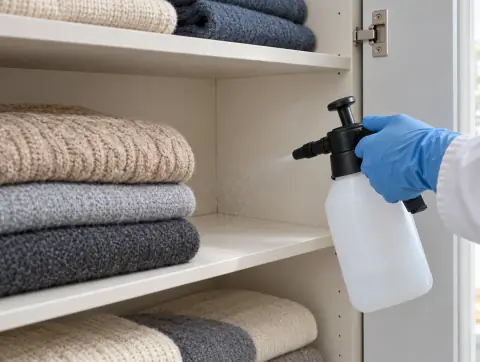
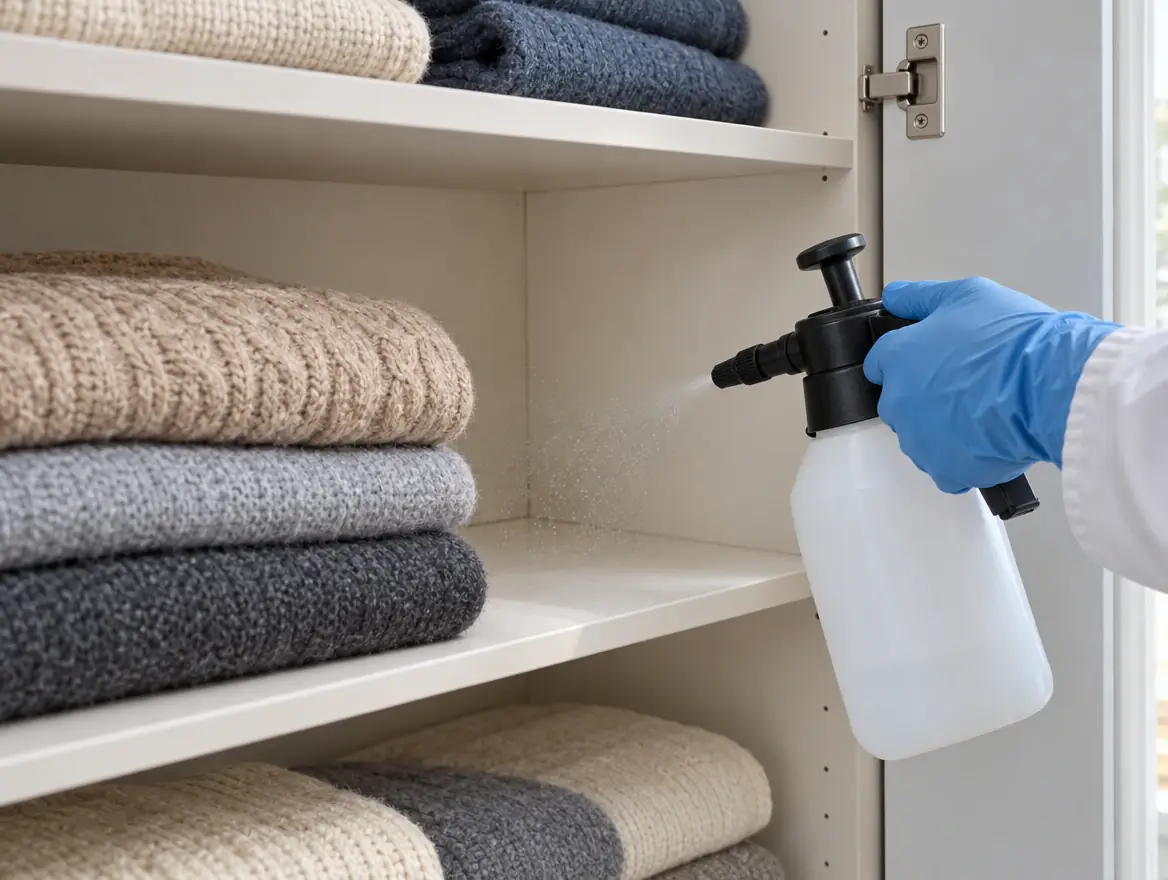
Wardrobes are emptied and the inner sides, floor and corners are treated, because the female moth lays her eggs in dark corners where the larvae stay out of the light.
- Wool and silk garments
Moth larvae target natural animal fibres such as wool and silk more than other materials, so these garments are inspected and treated carefully before being returned to their place.
- Carpets and rugs
Larvae live under carpet edges and in folds away from daily foot traffic, and treatment reaches these areas from the edges and beneath where they hide.
- Soft furnishings and cushions
Wool cushions and upholstered seats with natural stuffing are at risk, and their surfaces, folds and stitched edges are inspected and treated.
- Under furniture and corners
Dust and fibre debris collect under heavy furniture and in neglected corners, which are among the breeding spots that only become visible when furniture is moved.
- Storage areas
Seasonal clothes stored in bags or boxes for a long time are among the most affected items, and these storage areas and their surroundings are treated to break the breeding cycle.
Four steps, and done
- 1
Call or message us on WhatsApp
+966 54 084 3018 - 2
Tell us what you found
Describe what you have noticed: holes in clothes or carpet, small moths seen inside a wardrobe, or larval traces, and tell us which district you are in.
- 3
We agree a time and you prepare
We settle on a suitable time; before it, empty the wardrobes and move clothes out so the inner sides and floors are fully accessible for treatment.
- 4
Treatment and what to check after
We treat the wardrobes, carpets, soft furnishings and targeted areas, then tell you what to check afterwards to confirm the infestation has cleared and watch for any signs of return.
Some of our work
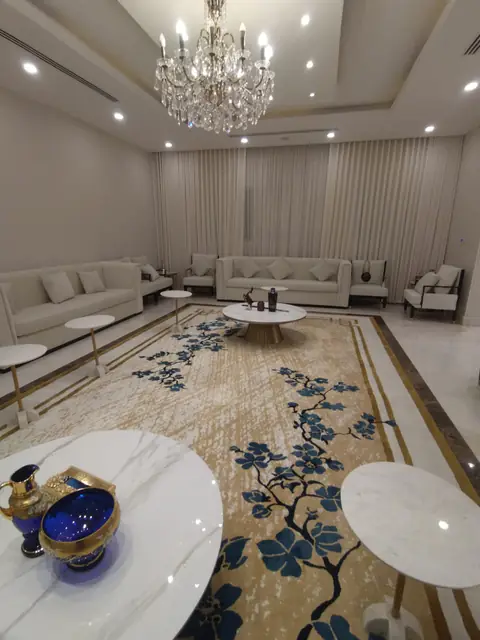
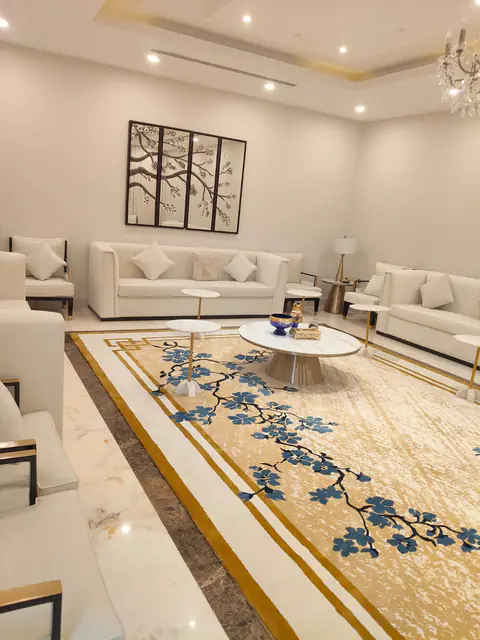
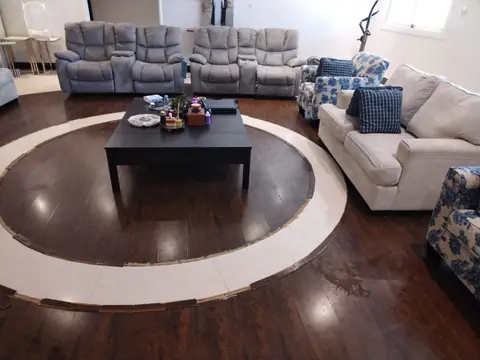
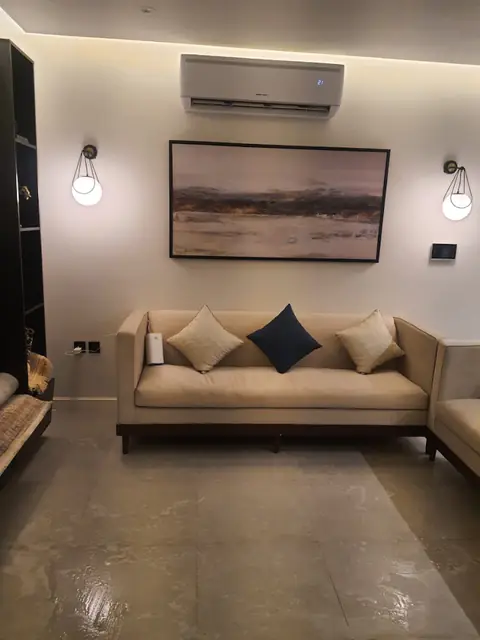
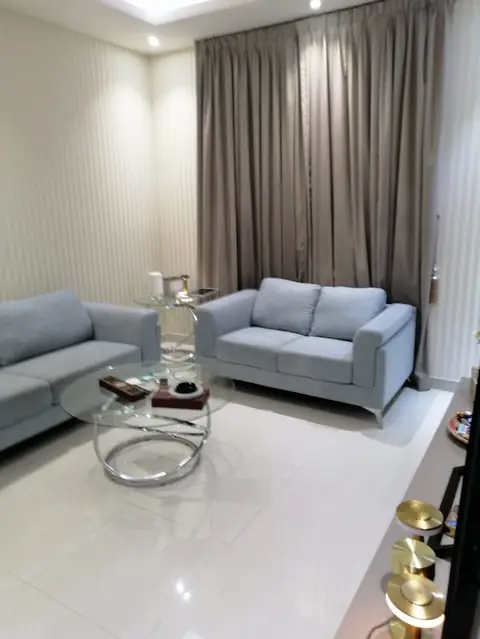
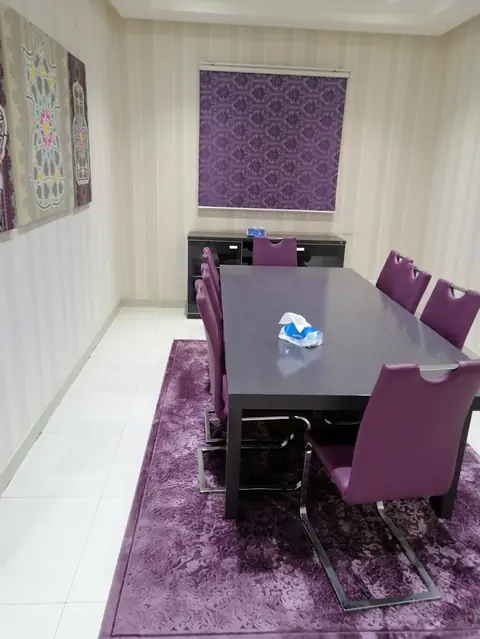
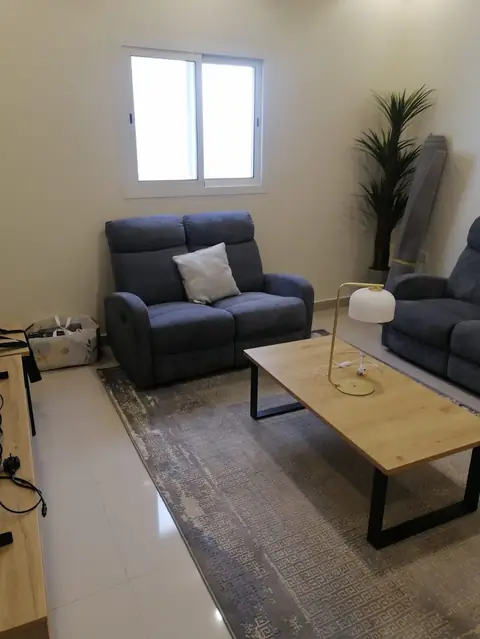
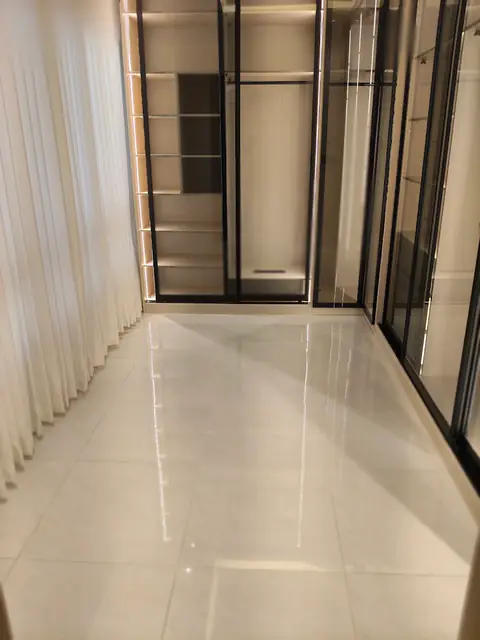
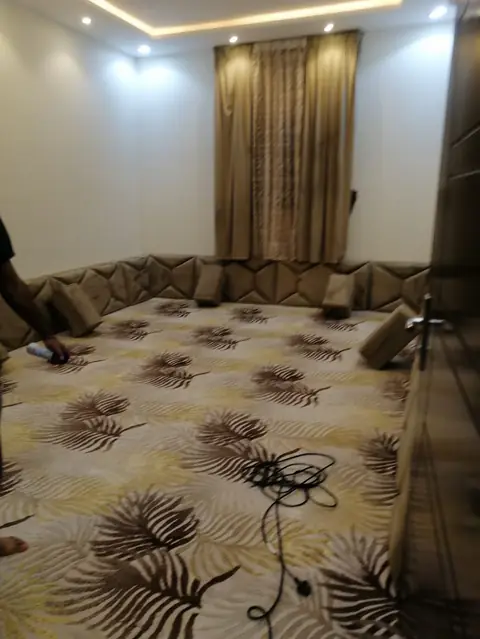
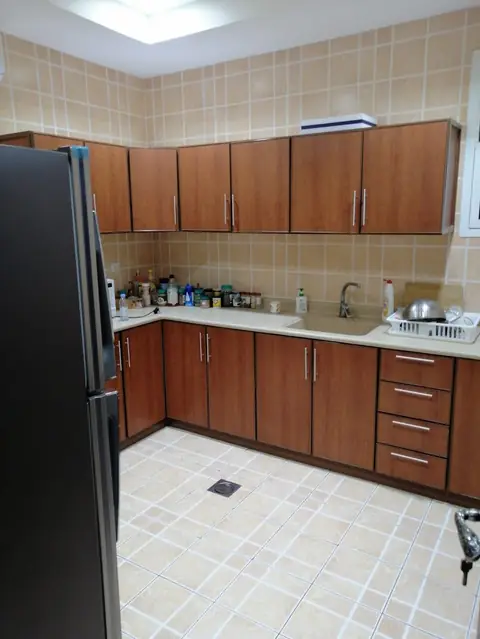
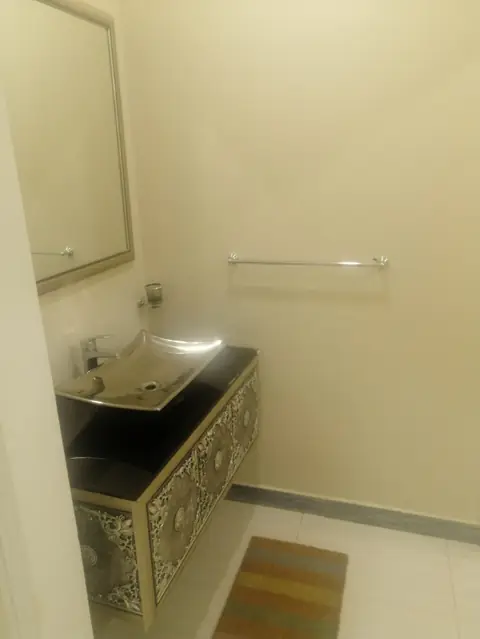
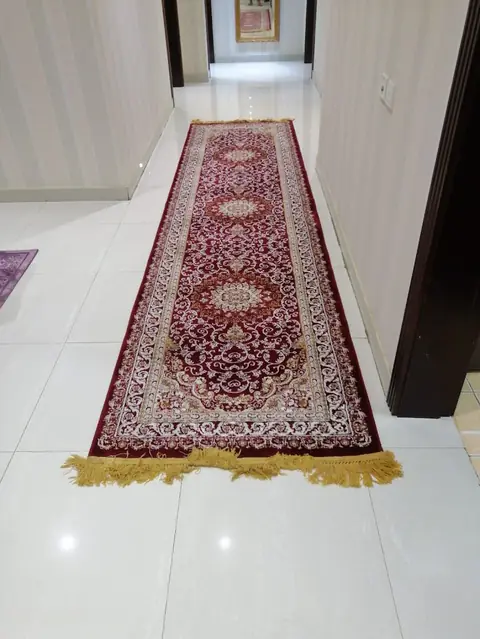
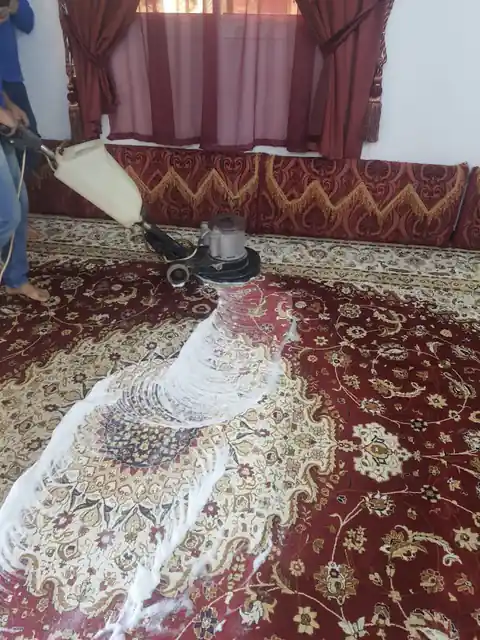
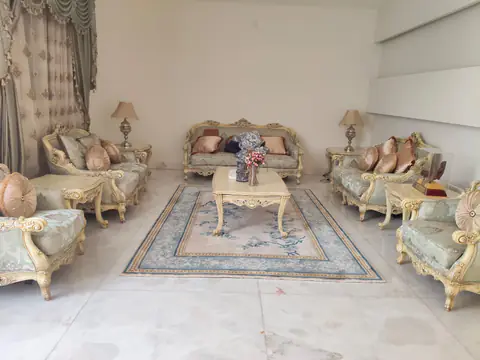
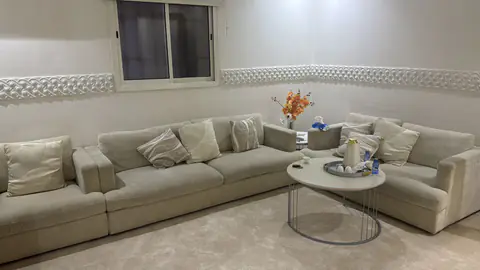
What our customers say
Real Google Maps reviews, word for word.
صراحة ممتازين جدا ويهتمون بأدق التفاصيل .. وجدا متعاونين الله يباركلهم .. من أفضل الشركات اللي تعاملت معاها
Google Maps شركة نظافة ممتازة يعطيكم العافيه
Google Maps يعطيكم العافيه.. شغل ممتاز يستاهلون ٥ نجوم
Google Maps
Questions about Moth (itha) control
How do I know moths caused the holes in my clothes?
Moth holes appear in natural fibres such as wool, cotton and silk, often in hidden areas like clothing folds or near seam lines. You may also see fine threads or small gritty particles at the bottom of the wardrobe, which are larval traces. Burn marks and friction damage leave differently shaped edges.
What should I prepare before you come for moth control?
Empty the wardrobes and drawers and set the clothes aside somewhere safe. If any rugs can be rolled back, do so to expose the underside. Tell us when you call if you have sensitive items such as handmade carpets or older valued garments so we can take that into account.
Can moths come back after treatment?
Yes, if infested items that were not treated remain in the home, or if newly infested pieces are brought in. It is worth checking clothes coming out of long storage before putting them back, and keeping rarely opened corners clean. If signs return after a while, call us to assess again.
Why is moth infestation harder to spot than other pests?
Because it is the larvae that cause the damage, and they are small and live hidden in the dark, while the adult moth does not eat and is rarely seen. The dry summer heat can speed up the life cycle inside closed wardrobes, so larvae multiply quietly without drawing attention.
Does moth damage to carpets differ from damage to clothes?
Yes, in terms of where the damage appears and how you spot it. On clothes the holes are clear, but on carpets the damage starts in areas with little foot traffic or hidden under furniture, and you may notice pile fibres crumbling or shedding in one patch. When you call, tell us the type and material of the carpet as that affects how it is handled.
More services under Pest control