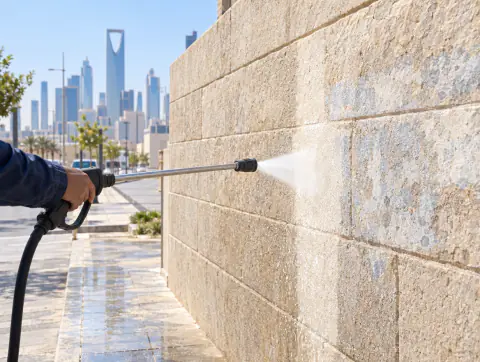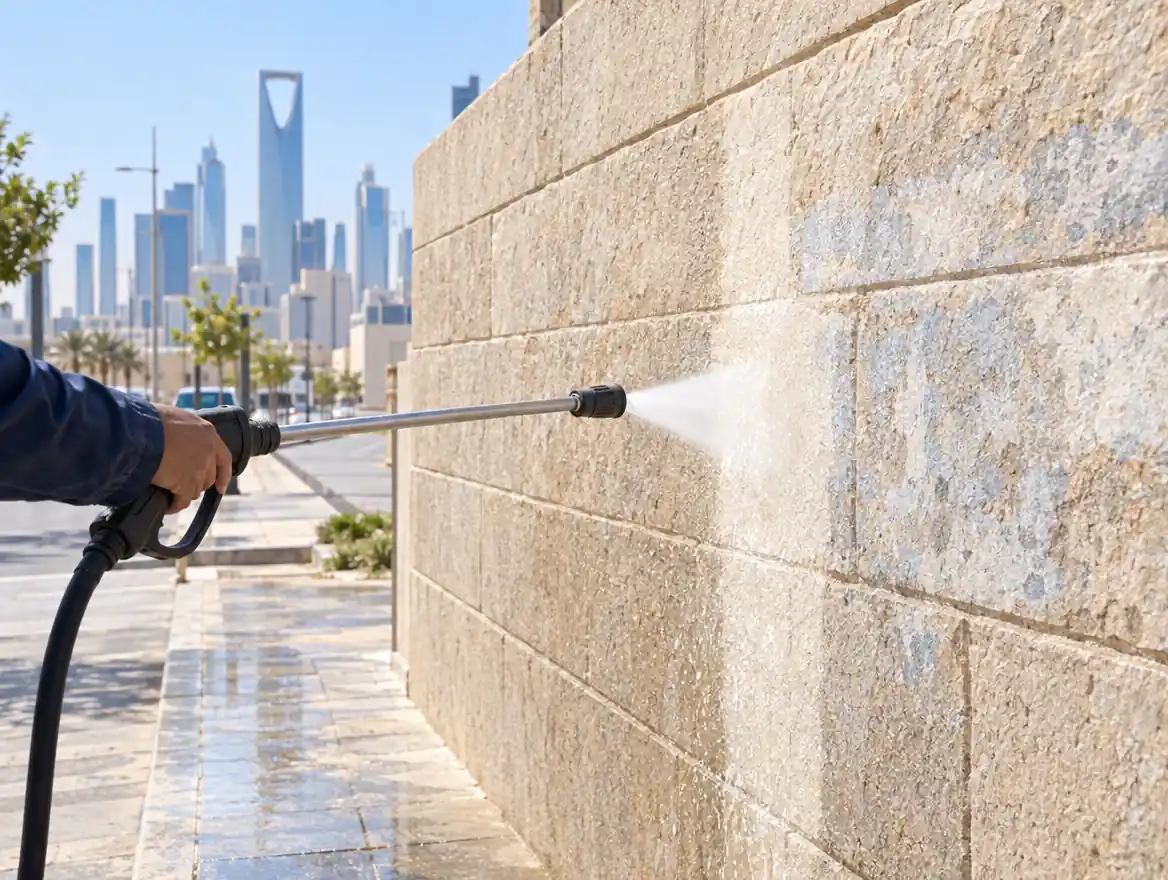
What does wall graffiti removal cover?
Graffiti is not all the same thing: a pencil line on interior paint is one job, spray paint on an exterior facade is another, and wax crayon on smooth plaster is different from a permanent marker on tile. The surface it was drawn on, how long it has been there, and what the medium is all decide the removal method, and knowing this protects the paint underneath from damage.
Tell us what you see on the wall: the type of surface, the medium if you know it, and your district, and we agree a time. We handle the work from start to finish, so leave your wall to us and set your mind at ease.
These are the surfaces and parts the work goes through, depending on the type of graffiti and what it was drawn on.
- Reading the medium and surface
Before anything else, we check what the graffiti is made of and what surface it is on, because the removal method changes completely between pencil, wax crayon and spray paint.
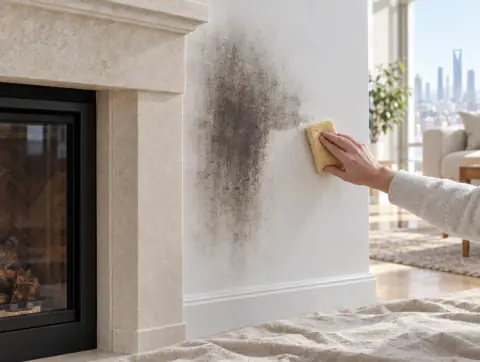
- Interior painted walls
Interior paint is among the most sensitive surfaces; a strong chemical lifts the paint with the mark, so the actual depth of the stain is assessed before choosing the removal approach.
- Plaster and plasterboard
Plaster absorbs ink and colour faster than tile does, making older marks harder to lift, and the condition is assessed before starting to determine what can be reached.
- Tile and ceramic
Tile and ceramic absorb materials less readily, so removal from them tends to be more straightforward, though deep lines in the grout between tiles need separate attention.
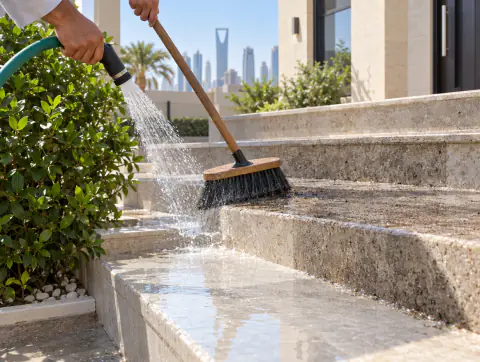
- Exterior facades
Exterior walls most often carry spray paint, and dust binds it to the surface over time, so the longer the mark is left untreated the harder it becomes to remove.
- Surface check after removal
After removal we check the surface with you to confirm the paint is intact and the mark has gone as far as possible, and we tell you if any spot needs a touch of paint.
Four steps, and done
- 1
Call or message us on WhatsApp
+966 54 084 3018 - 2
Tell us what is on the wall
Describe the graffiti as best you can: pen, crayon or spray, which surface it is on, and which district you are in.
- 3
We agree a time and you prepare the space
Once the time is agreed, move furniture away from the wall to be treated and take down any pictures or frames hanging on it.
- 4
The work and check with you
We remove the graffiti according to the surface and medium, then check the wall with you so you can see the result and we can tell you if any spot needs further treatment.
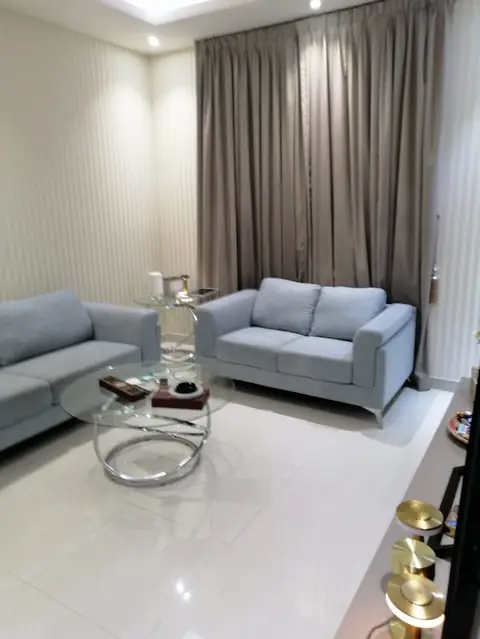
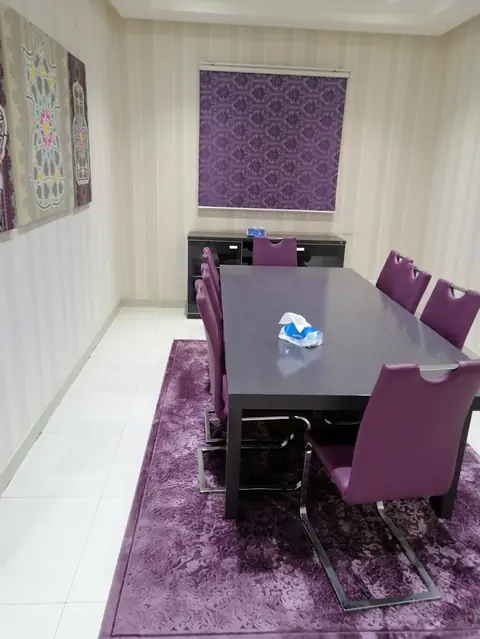
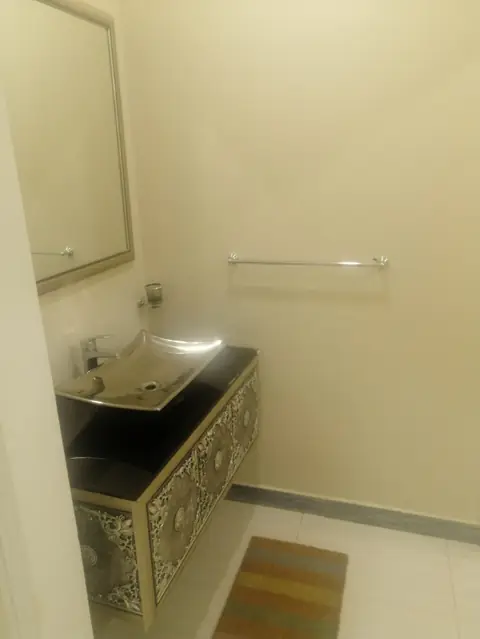
Some of our work

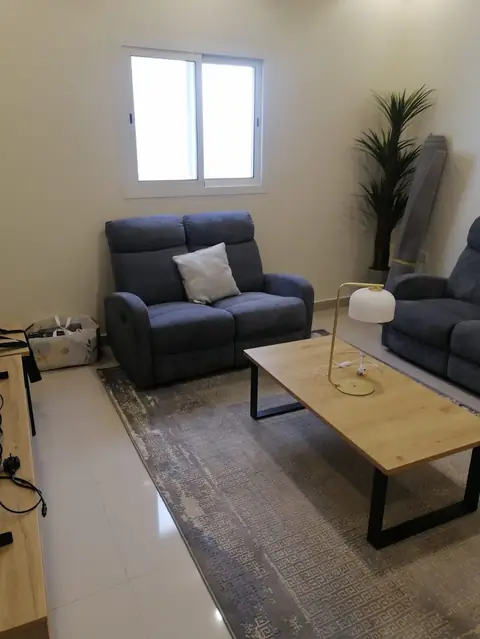
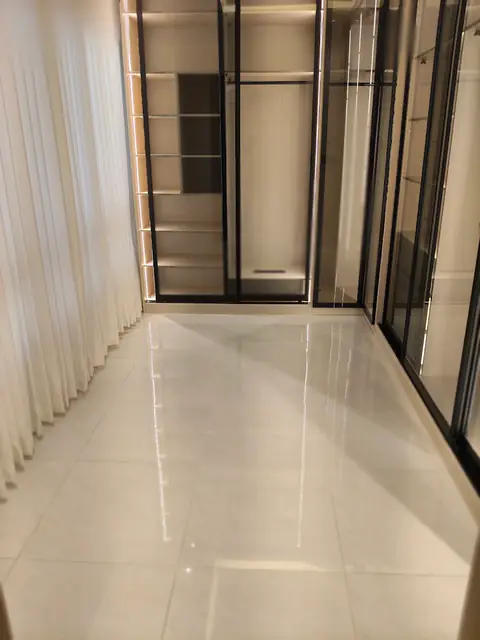
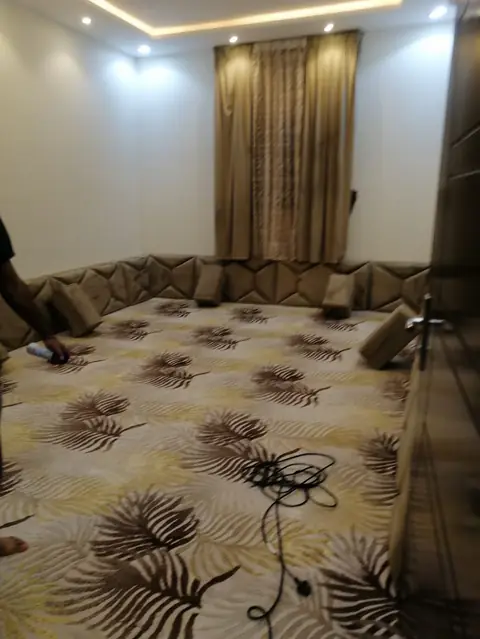
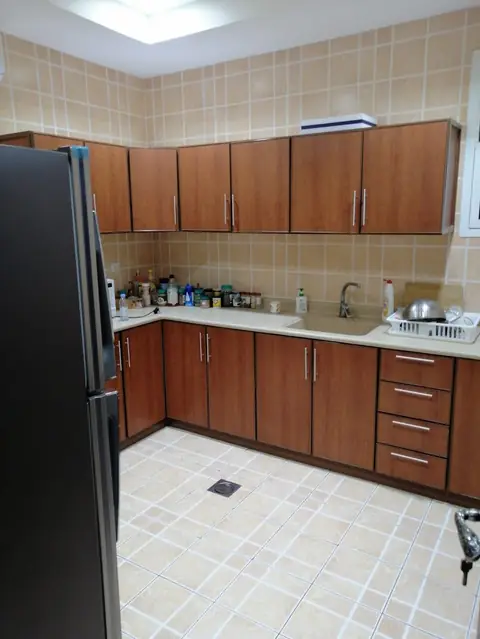



What our customers say
Real Google Maps reviews, word for word.
صراحة ممتازين جدا ويهتمون بأدق التفاصيل .. وجدا متعاونين الله يباركلهم .. من أفضل الشركات اللي تعاملت معاها
Google Maps شركة نظافة ممتازة يعطيكم العافيه
Google Maps يعطيكم العافيه.. شغل ممتاز يستاهلون ٥ نجوم
Google Maps
Questions about Wall graffiti removal
The graffiti has been there for months, can it still be removed?
An old mark is harder than a fresh one because the medium works deeper into the surface over time, especially on plaster and exterior walls where dust and the summer heat press it into the pores. How difficult it is becomes clear after we assess it, and when you call we ask how long the mark has been there to judge the condition.
The graffiti is on bathroom tile, is that treated the same as a painted wall?
No, tile and ceramic are largely non-absorbent, and the right removal approach for them differs from what works on paint. The grout between tiles is more sensitive because it absorbs material faster, and we treat it separately.
My children drew on the wall with wax crayons, how is that treated?
Wax crayons contain grease that makes them bond to paint differently from ink. Removing them from interior paint means first reading the type of paint, because some paints with a thin layer are affected quickly. Tell us the surface type when you call so we come prepared for it.
What do I check after you finish removing the graffiti?
Check the wall in good light from a low angle, because the angle reveals any change in the paint surface or any remaining trace. If you notice the paint looks lighter in one spot the layer has been affected, which is something we explain to you before we leave so there is no surprise.
What changes how big or difficult the graffiti removal job is?
Difficulty is shaped by four main things: the medium the graffiti is made of, how long it has been there, the type and condition of the surface, and the size of the affected area. An exterior wall sprayed a long time ago under the harsh sun is far harder than a fresh pencil mark on an interior wall, and we go through all of this with you when you call.
More services under Walls, ceilings & stairs