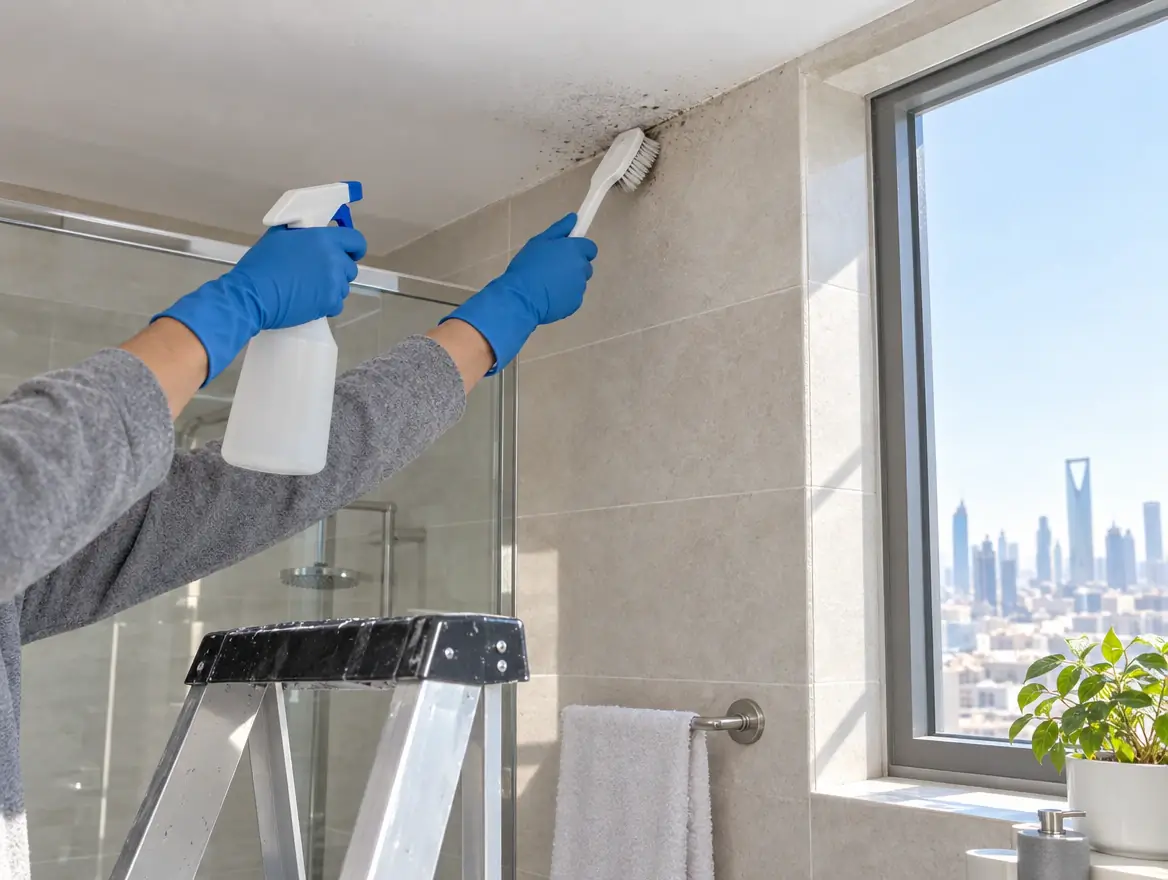
What does wall mould removal cover?
Mould does not just sit on the surface: its threads reach into the pores of the paint and the plaster behind it. It tends to appear in bathrooms with weak ventilation, in kitchens near sinks, and on outer walls where summer humidity condenses when the cool indoor air meets the heat outside. Knowing where to look is the first step in dealing with it properly.
Call or message us on WhatsApp, tell us your district and where you notice the mould, and we agree a time with you. Leave the cleaning to us and set your mind at rest.
These are the surfaces and parts the work covers, depending on where the mould is and how far it has spread on your wall.
- The paint surface
We remove visible mould from the paint surface with care so the layer does not lift or flake, because damp paint is fragile and responds badly to rough treatment.
- Grout lines between tiles
Grout is porous and absorbs moisture, making it a place where mould often settles in bathrooms and kitchens, and we treat it according to how deep the staining goes.
- Corners and lower edges
Corners combine poor ventilation with collected moisture and are the last place to dry out, so they need deeper and more thorough cleaning than the rest of the surface.
- Walls behind furniture and cabinets
Air does not move behind furniture pressed against the wall, so moisture gathers and mould patches grow out of sight, and we deal with them when the area is accessible after moving the furniture.
- The wall-to-ceiling junction
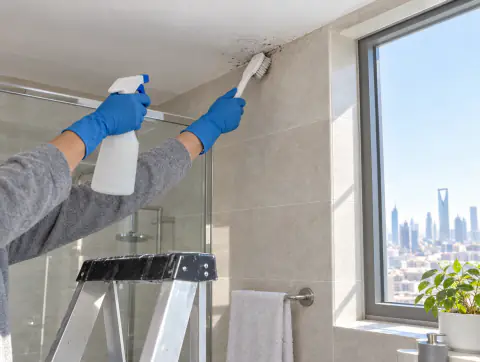
The junction of the wall and ceiling collects both dust and moisture, especially in bathrooms, and this is often where the first dark mould patches appear.
- Plaster beneath the paint
When mould reaches into the plaster, the surface discolours even after cleaning, and we let you know what we find during the work so you know what the wall may need afterwards.
Four steps, and done
- 1
Call or message us on WhatsApp
+966 54 084 3018 - 2
Tell us where the mould is
Tell us which room the mould is in, whether it is in a corner, across a wider surface or in the tile grout, and give us your district.
- 3
We agree a time and you prepare
We settle on a time that suits you, and you move furniture and belongings away from the wall and open nearby windows for ventilation where possible.
- 4
We do the work and you check
We clean the affected surfaces, grout lines and corners, and when we finish check the wall in natural light and let us know if you notice anything that has not been treated.
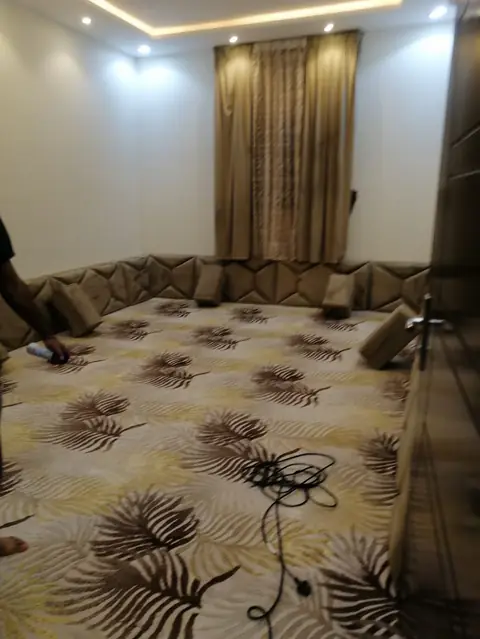
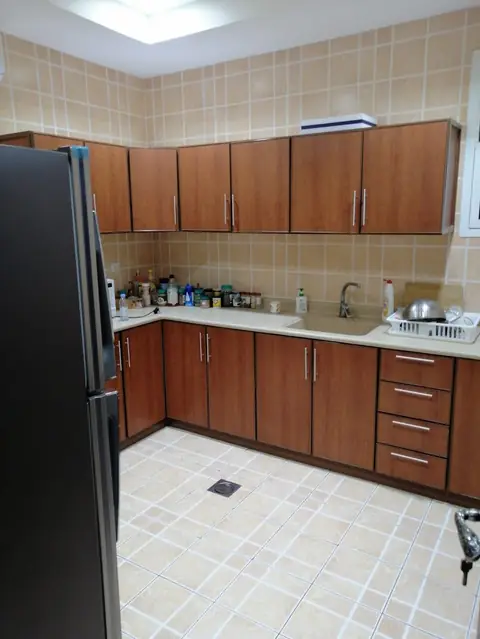
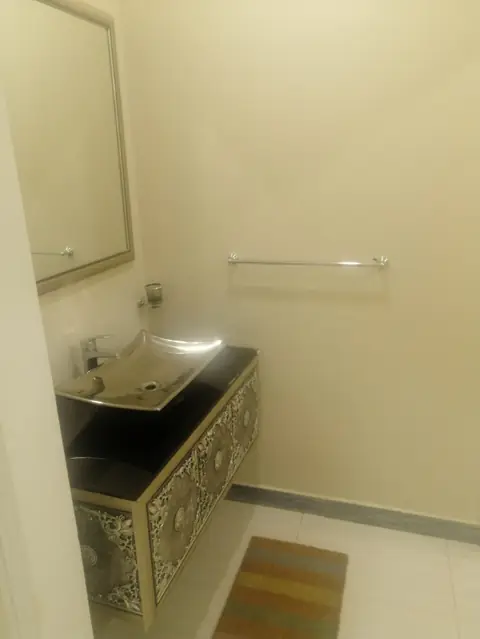
Some of our work
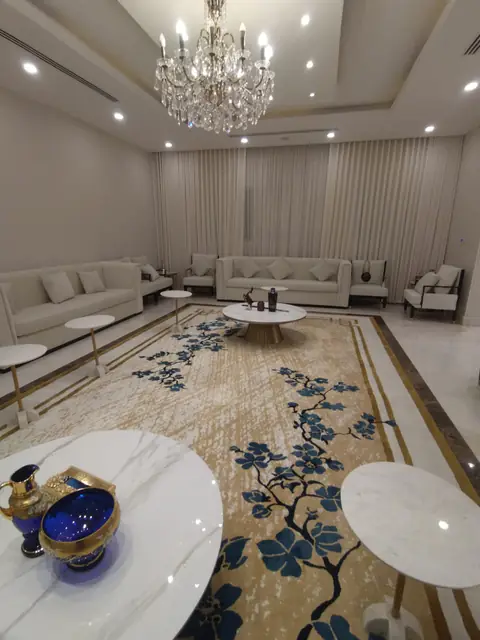
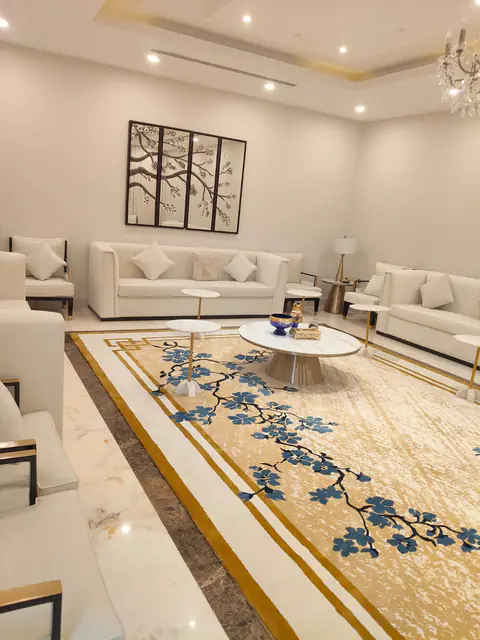
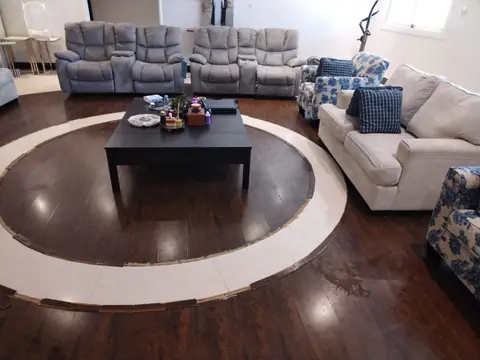
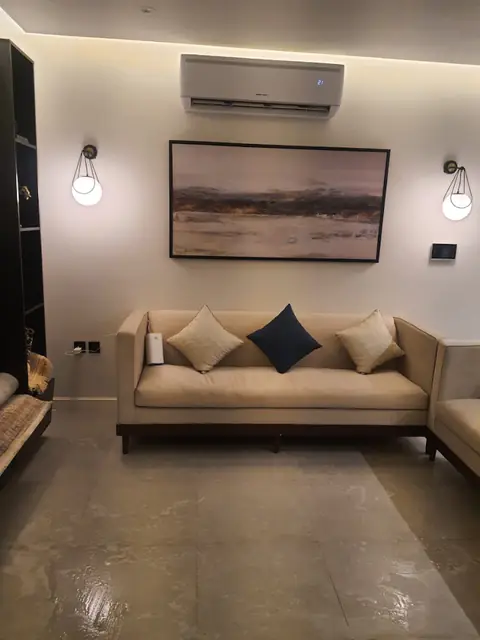
What our customers say
Real Google Maps reviews, word for word.
صراحة ممتازين جدا ويهتمون بأدق التفاصيل .. وجدا متعاونين الله يباركلهم .. من أفضل الشركات اللي تعاملت معاها
Google Maps يعطيكم العافيه.. شغل ممتاز يستاهلون ٥ نجوم
Google Maps شركة نظافة ممتازة يعطيكم العافيه
Google Maps
Questions about Wall mould removal
How do I know what is on my wall is mould and not just a damp patch?
A damp patch is pale, has even edges and fades when the wall dries out, while mould is darker in green, black or grey tones, has irregular edges and may carry a musty smell. If you are unsure, describe what you see when you call and we can help you work it out.
Will the mould come back after cleaning?
Cleaned mould does not return on its own, but it comes back if the moisture does. The root cause is usually poor ventilation, a hidden leak or a habit of keeping windows closed. Cleaning removes what is there; dealing with the cause keeps it away.
What should I prepare before you come to clean the mould?
Move furniture, clothes and any belongings away from the affected wall, and try to open nearby windows before we arrive to air the space. If the mould is in a small bathroom, take out everything you can.
What should I check after the mould cleaning is done?
Check the surface in natural light or with a torch, and pay attention to corners and grout lines once the surface has dried fully. If you notice dark patches that have not changed, tell us before we leave so we can look at them again.
Does the size of the affected area change how the work is done?
Yes, a small corner patch is different from a full wall or a room where several surfaces are affected. When you call or message us, describe the rough size and location and the type of surface, whether paint, tile or bare plaster, so we can agree what suits your situation.
More services under Walls, ceilings & stairs