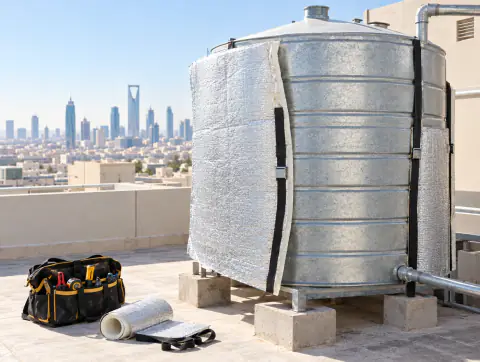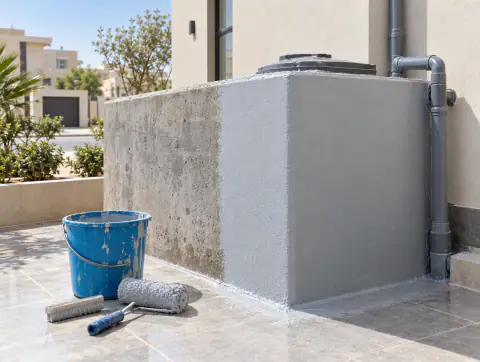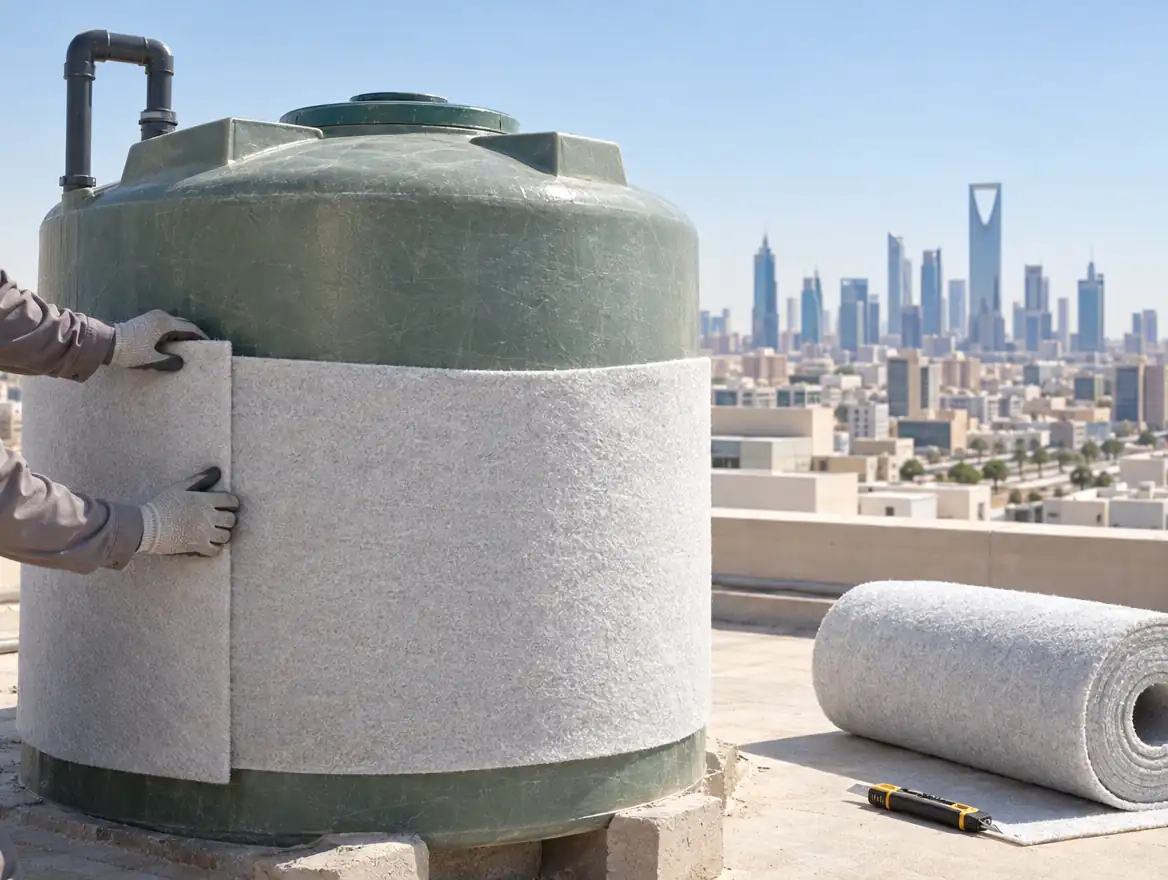
What does fibreglass tank insulation cover?
A fibreglass tank does not crack the way concrete does. It develops hairline cracks, thin threads that start at joints or around inlet and outlet openings. These lines let water through slowly, and the leak often goes unnoticed until the water level drops or damp appears on the ceiling below. In the summer heat, the fibreglass body expands and contracts overnight, and those lines widen over time.
Call or message us on WhatsApp, tell us your district and what you notice in your tank, and we agree a time to inspect it and start the work. Leave the rest to us.
These are the parts and stages the work goes through, depending on the condition of your tank and what you notice in it.
- Fibreglass wall check
We inspect the inner and outer surfaces for hairline lines and porous patches, because fibreglass hides some of its cracks under the outer gelcoat layer.
- Panel joints
We check every joint between tank sections, as these are the most vulnerable points because fibreglass expands and contracts with heat.
- Inlet and outlet openings
We treat the edges around pipe openings, where stresses concentrate and hairline cracks in fibreglass tanks tend to begin.
- Surface cleaning and preparation
Before any insulation we clean the inner surface thoroughly and remove deposits and algae if present, because any layer applied to an unclean fibreglass surface will not bond properly.
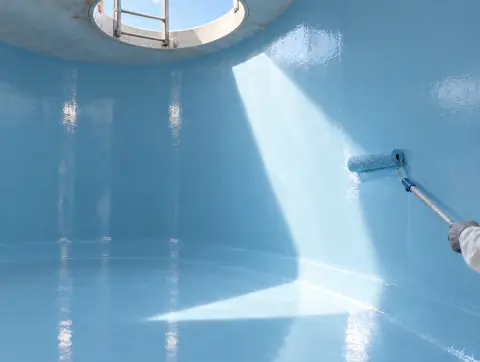
- Inner insulation layer
We apply the insulation layer to the inner wall after the surface dries, to seal the hairline lines and protect the fibreglass from the constant effect of water.
- Post-work check
After finishing we fill the tank and track the previously cracked areas to confirm the leak has stopped, then tell you what to watch for in the following days.
Four steps, and done
- 1
Call or message us on WhatsApp
+966 54 084 3018 - 2
Tell us what you notice
Tell us whether the water level drops slowly, damp has appeared on the ceiling, or you have noticed lines on the tank wall, and which district you are in.
- 3
We agree a time
We settle on a time that suits you, and you empty the tank before we arrive, leaving a clear path to it whether it is on the roof or in a room.
- 4
Work and check
We clean the surface and treat the cracks, joints and openings, then fill the tank with you so you can follow the previously leaking areas and confirm they have stopped.
Some of our work
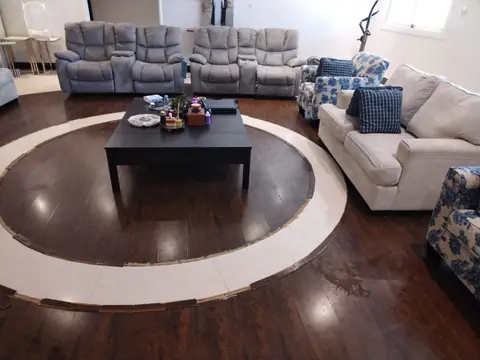
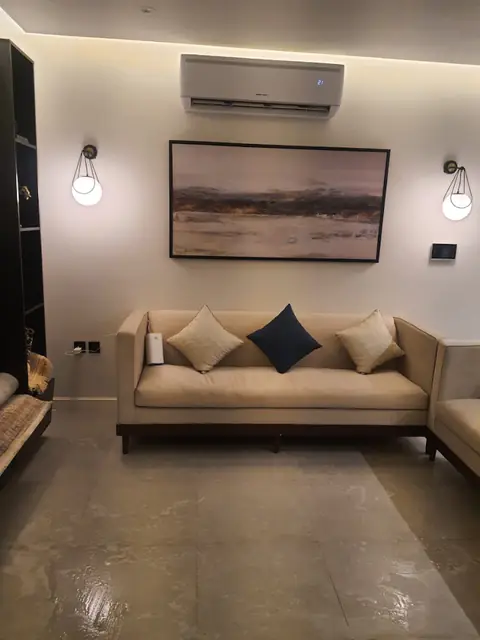
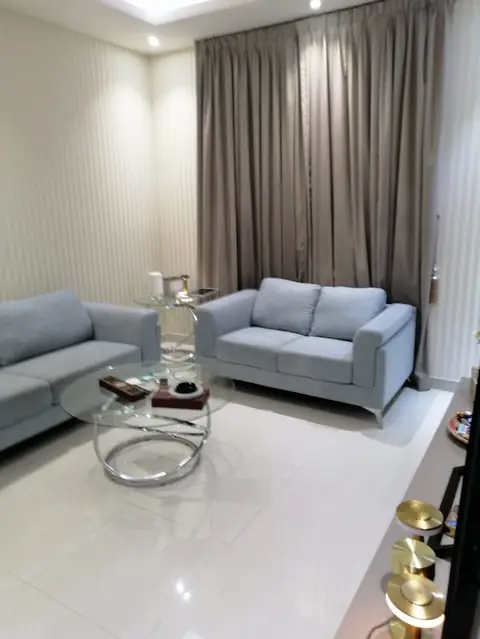

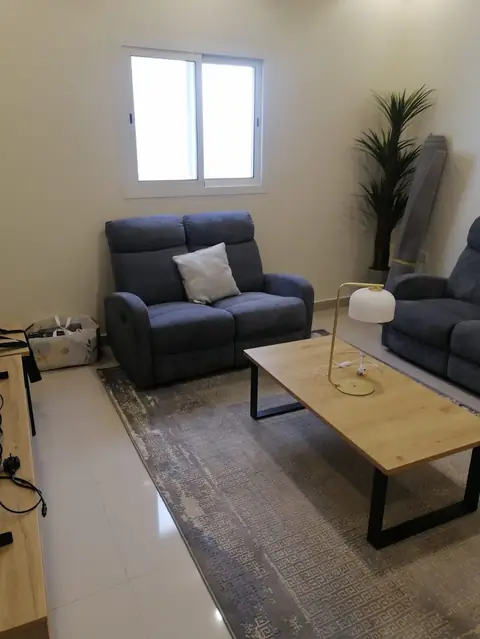
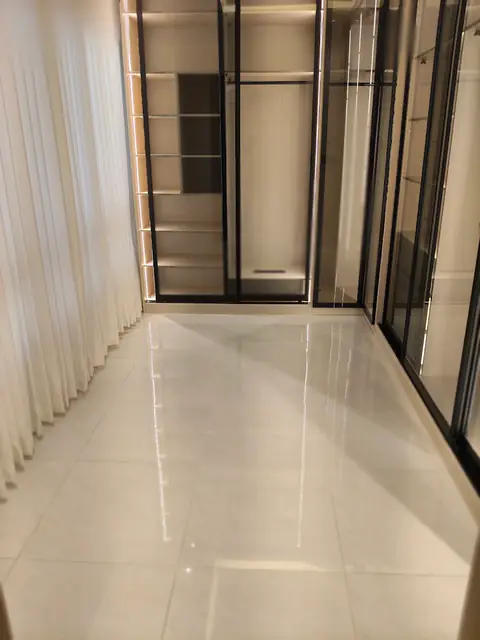
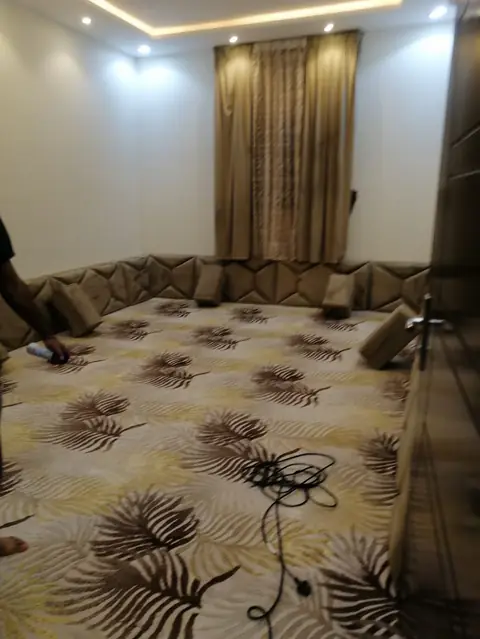
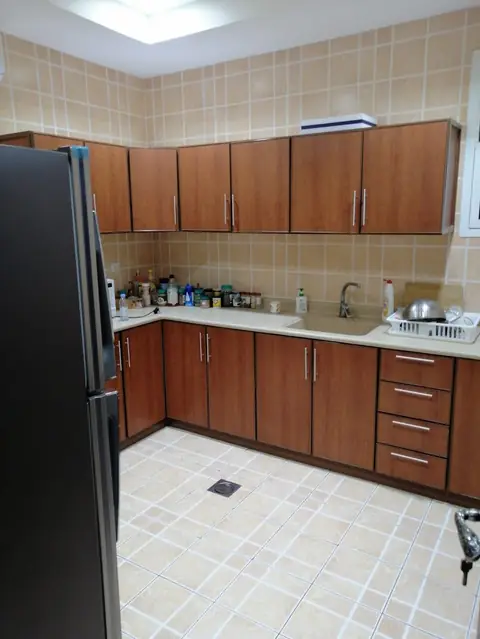
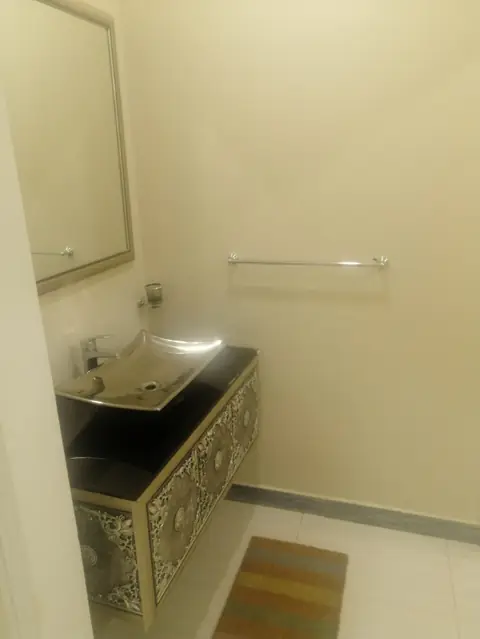






What our customers say
Real Google Maps reviews, word for word.
صراحة ممتازين جدا ويهتمون بأدق التفاصيل .. وجدا متعاونين الله يباركلهم .. من أفضل الشركات اللي تعاملت معاها
Google Maps افضل عمال وتنظيف روووعة يعطيكم العافية
Google Maps شركة نظافة ممتازة يعطيكم العافيه
Google Maps
Questions about Fibreglass tank insulation
How do I know the leak is from the fibreglass tank and not from the pipes?
Close the inlet valve and watch the water level for several hours without using any water. If the level drops with the valve closed, the leak is from the tank body, its joints or around a pipe opening, not from the pipework. If the level holds, the problem is in the pipes. Tell us what you observed and we agree on what suits your situation.
Do I need to empty my fibreglass tank before insulation?
Yes, the tank must be emptied before work begins, because the job requires cleaning the inner surface thoroughly and applying the insulation to a dry surface. A fibreglass tank needs adequate drying time after cleaning before application, and these details are agreed when you call.
What changes the scope of work for fibreglass tank insulation?
The size of the tank, its location, the number of joints and how widely the hairline cracks have spread all affect the scope. Large fibreglass tanks made from several panels need more treatment at the joints. All these details are discussed when you call and describe the tank's condition.
My fibreglass tank is old and its inner layer is flaking, can it still be insulated?
Flaking in the inner layer means the gelcoat or old insulation has started to separate from the tank body. In this case the flaking layer must be removed before any new layer is applied, otherwise the new layer will not bond. Describe the surface condition when you call and we agree on the right steps.
Does the tank location, on the roof or inside the building, affect the insulation method?
Yes, a fibreglass tank on the roof undergoes more expansion and contraction because of the high summer heat, making its joints more prone to cracking. A tank inside the building has a more stable surface temperature. Tell us where your tank is when you call so we can take that into account.
More services under Water tank insulation